Jump to…
The Tackle Index answer
Feeder fishing puts bait close to your hookbait on the bottom, using a feeder cast with a rod and reel. For beginner stillwater fishing, start with a 10–11ft feeder rod, a 3000–4000 reel and suitable mono. Choose a cage or open-end feeder for groundbait, or a maggot feeder for live feed. Cast consistently and watch the quiver tip for bites.
At a glance
- Starter rod
- 10–11ft feeder rod for commercials and stillwaters
- Reel
- 3000 or 4000 size with a smooth drag
- Mainline
- 6–8lb mono as a stillwater starting point
- Feeder weight
- 20–30g for learning short casts; allow for added bait
- Bite indication
- Quiver tip pulls, sustained bends or slackening
- Starting rhythm
- On commercials, consider recasting after 5–10 quiet minutes
Which feeder suits your fishing?
Choose the feed and release rate first. Then choose enough weight to cast accurately and hold position.
- Groundbait on a straightforward stillwater swimGood fitA cage feeder is a useful starting choice. Adjust the mix so it survives casting but releases on the bottom.
- Loose offerings held between groundbait plugsGood fitAn open-end feeder carries loose feed in the centre, with groundbait closing the ends.
- Maggots for a mixed catchGood fitUse a maggot feeder. Capacity controls quantity; more perforations let maggots escape faster.
- Strong river flow or long-range castingWith caveatsThe beginner stillwater setup may be unsuitable. Match rod, line and loaded feeder to the conditions.
- Dense weed or a route straight into snagsLook elsewhereChoose a clearer swim rather than putting fish into a situation your tackle cannot control.
A sensible first-session kit
Keep the tackle simple and spend on fish care before buying a large feeder collection.
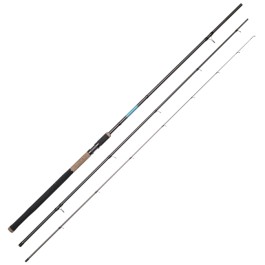
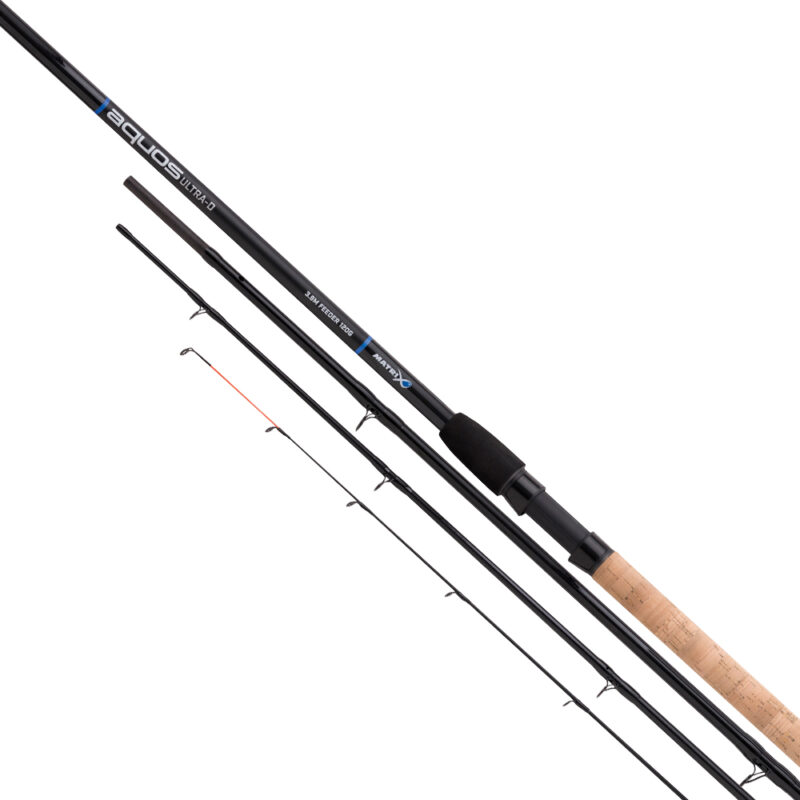
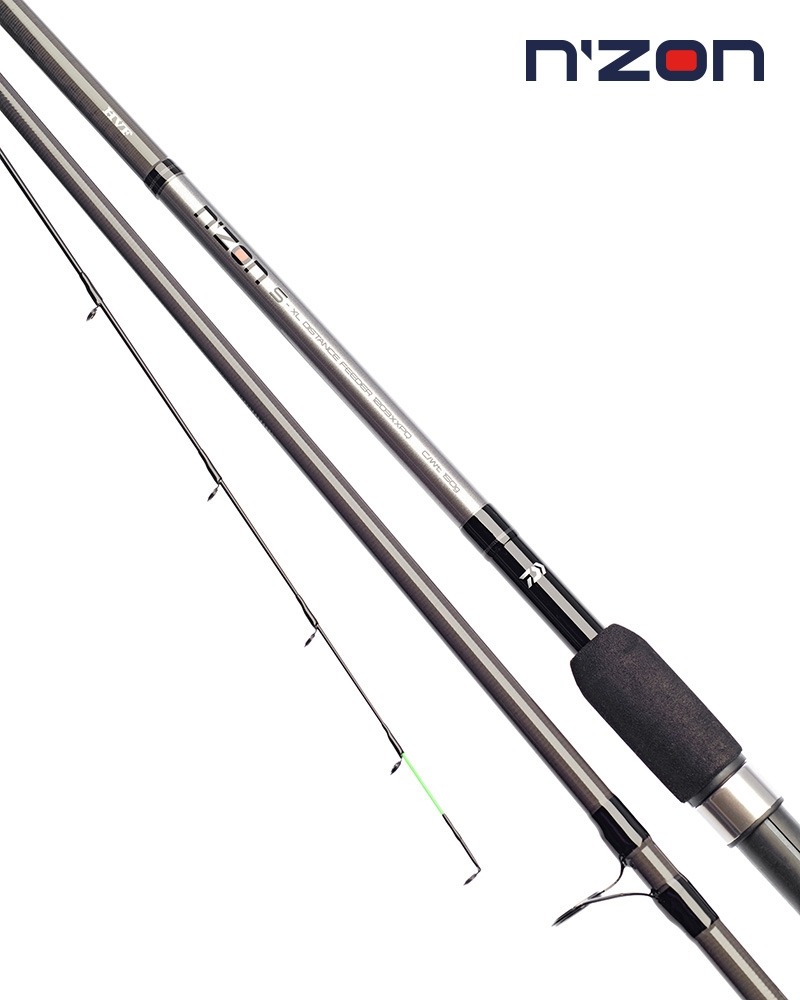
Feeder rod and suitable quiver tip
Start with 10–11ft for stillwaters. Check the rod's casting limit against the feeder plus bait.
Reel and mono
A 3000–4000 reel and 6–8lb mono are starter suggestions, not specifications for every fishery.
Small feeder selection
Start with 20–30g cage or open-end feeders for close work; add a maggot feeder if using maggots.
Running-rig components
Use a suitable running link, protective bead, swivel and hooklength. The feeder must be able to slide off a broken mainline.
Hooks and hooklengths
Match them to bait and likely fish. Use venue-compliant patterns and a hooklength weaker than the mainline.
Bait and mixing bowl
Bring groundbait and modest amounts of permitted loose feed, or maggots for a maggot feeder.
Rod rests
Support the rod securely so you can watch the tip without holding it.
Fish-care equipment
Have a suitable landing net, unhooking mat, disgorger and forceps ready before casting.
Your first feeder session
Begin close in, where you can repeat the cast and see what each change does.
- 1
1. Choose a manageable swim
Check permission, venue rules and any seasonal restrictions before setting up. Choose a clear casting position with room to land fish. Avoid overhead cables, heavy weed and obvious snags. Assemble the landing net, wet the mat when needed and place your unhooking tools within reach.
Tip: An easy, clear swim teaches more than an ambitious long cast.
- 2
2. Assemble a simple running rig
Thread a suitable feeder running link onto the mainline, followed by a protective bead. Tie the mainline to a swivel and attach your weaker hooklength to its other end. Clip the feeder onto the running link. Leave no stop above it, and check that it can slide off the mainline if that line breaks.
Tip: Check knots and free movement before every session.
- 3
3. Prepare feed that releases
Add water to groundbait gradually, mix thoroughly and let it absorb before adjusting. Load a cage feeder without crushing the mix solid. For an open-end feeder, put loose feed between groundbait plugs. With a maggot feeder, check the lid closes properly and its escape holes are clear.
Tip: Use the bank margin to inspect how your groundbait breaks down.
- 4
4. Make a short, repeatable cast
Pick a far-bank marker and start with a comfortable short cast. Check behind you, then cast smoothly rather than punching hard. Feather the line before splashdown to help straighten the hooklength. Let the feeder settle before placing the rod on its rests and gently taking up slack.
Tip: Accuracy matters more than distance.
- 5
5. Set the tip and read bites
Position the rod so the line forms an angle to the tip, rather than pointing straight along the rod. Wind down until there is a slight bend without dragging the feeder. Look for a continuing pull, repeated purposeful movement or a sudden slackening. Lift smoothly into the fish rather than striking wildly.
Tip: A tip springing straight can mean a fish has moved towards you.
- 6
6. Build the swim without overfeeding
Cast back to the same area to concentrate feed. On commercials, recasting after 5–10 minutes without a bite is a starting rhythm, not a deadline. Check whether bait has left the feeder and whether the hookbait is intact. Reduce feed when bites are scarce, and change one thing at a time.
Tip: Use a smaller feeder when you want less feed per cast.
Choose the rod, tip and rig as a package
For a commercial lake or ordinary stillwater, a 10–11ft feeder rod keeps short-range fishing manageable. Pair it with a 3000- or 4000-size reel with a smooth drag. The suggested 6–8lb mono suits a beginner starting point, not every venue. Bigger fish, snags, stronger flow or heavier feeders call for a rethink. Check the rod's casting rating with bait included, not just the feeder's marked weight.
Use a quiver tip that settles with a slight bend under the pull of your line and the conditions. Too soft and it folds over in flow; too stiff and small movements become harder to read. Tip ratings are not the rod's casting limit. As a practical starting point, try a hooklength around 45cm, then adjust for tangles, bites and how fish take the bait.
Cage, open-end or maggot feeder?
A cage feeder gives water plenty of access to its contents. It can carry groundbait, suitably prepared pellets or loose offerings held with groundbait. An open-end body offers more containment, but release still depends on the mix and packing. Drennan's oval open-end design sits close to the bottom, with body holes for dispersal. Plug It designs combine bait retention with water access to wash the contents out.
Choose a maggot feeder when you want live maggots delivered near the hookbait without relying on groundbait plugs. A bigger body carries more bait, while more holes let it escape faster. Maggots can attract roach, bream, chub, tench and barbel, but the tackle must match the target. For groundbait fishing, a larger initial feeder followed by a smaller one lets you reduce feed without changing your casting spot.
Budget, water choice and fishing rhythm
As a rough planning allowance, a beginner-to-intermediate rod and reel might total £80–£180. Line, feeders, terminal tackle, rests and basic fish-care equipment could add around £60–£140, depending on what you already own. These are broad ballparks that move with sales, not shop quotes. Bait, tickets and any required licence are extra. Buy a small useful selection rather than spending your budget on specialist distance feeders.
A modest stillwater with a clear bottom and manageable casting distance is a good classroom. Browse /where-to-fish, then ask the fishery about species, permitted feeders and productive areas. Rivers add current, drifting debris and changing levels, so they demand different judgement. On either water, watch the tip between casts and inspect what comes back. Empty feeders, damaged hookbait and changing bite frequency each help you decide what to adjust.
Adjust to what the swim tells you
| If you're fishing… | Change | Why |
|---|---|---|
| Groundbait flies out during casting | Add moisture gradually or pack slightly more firmly. | The load needs to survive the cast before releasing underwater. |
| Groundbait remains packed after retrieval | Loosen the packing and revise the mix; check release in the margin. | Feed locked inside cannot build your feeding area. |
| Quiet swim with little sign of feeding | Use a smaller feeder and reconsider the recast rhythm. | Repeated large loads can add more food than the fish want. |
| Maggots remain inside too long | Clear blocked holes or choose a more perforated body. | More openings allow faster escape. |
| Feeder creeps along in current | Use a more suitable shape or greater weight within the rod's loaded limit. | A moving feeder makes consistent presentation and bite reading harder. |
| You need extra casting range | Consider a bullet-style cage feeder and tackle suited to its loaded weight. | End-concentrated weight helps distance casting, but does not replace good technique. |
Problems & fixes
Symptom
Hooklength tangles around the feeder
Likely cause
An abrupt cast or uncontrolled splashdown can bunch the rig together.
Change
Cast smoothly and feather the line. Check the rig lies straight and shorten the hooklength cautiously if needed.
Symptom
The tip keeps trembling
Likely cause
Wind, undertow, tiny fish or fish touching the line may be responsible.
Change
Check the feeder holds position and look for a developing bite rather than striking at every tremor.
Symptom
The tip suddenly straightens
Likely cause
A fish may be moving towards you, or the feeder may have shifted.
Change
Take up slack and lift smoothly if the movement looks purposeful.
Symptom
Every cast lands somewhere different
Likely cause
Changing aim, casting force or release point spreads the feed.
Change
Shorten the range and use one far-bank marker. Establish repeatable casts before attempting distance.
Symptom
The feeder moves when you tighten up
Likely cause
You are winding too hard or the feeder is too light for the conditions.
Change
Take up only enough slack to show a slight bend. Reconsider feeder weight if it still shifts.
Symptom
Bites stop after a busy start
Likely cause
Fish may have moved, become wary or received too much feed.
Change
Reduce feeder capacity, inspect hookbait and alter one variable before abandoning the swim.
Fish care, access and rules
- Venue rules come first when choosing bait and tackle, alongside national and local legal requirements. Obtain permission or the required ticket. England only: coarse anglers aged 13 or over need a rod fishing licence; ages 13–16 are free. The close season is 15 March–15 June inclusive on all rivers, streams and drains, plus some canals and protected stillwaters. Check local byelaws. Requirements differ across England, Wales, Scotland and Northern Ireland.
- Use a suitable landing net and wet unhooking mat, especially for larger fish. Wet your hands, keep fish low and return them promptly once recovered. A running rig is not automatically safe: check that the feeder can leave a broken mainline and avoid snaggy swims beyond your tackle's capability. Keep clear of power lines and unstable banks. Check, clean and dry nets, tackle and footwear between waters.
Bankside quick reference
- 1.Start close: repeatable casts beat extra distance.
- 2.Allow for bait weight when checking the rod's casting limit.
- 3.Cage or open-end for groundbait; maggot feeder for escaping live feed.
- 4.Keep the running feeder free to slide off a broken mainline.
- 5.Set a slight tip bend without dragging the feeder.
- 6.Lift smoothly into a developing pull or drop-back bite.
- 7.Use 5–10 quiet minutes as a commercial starting rhythm, not a rule.
- 8.Check returned feed and hookbait before changing tactics.
- 9.Have net, mat and unhooking tools ready before casting.
Stuck on something? Ask Willy about this guide.
FAQs
What is a basic feeder rod setup?
For beginner stillwaters, try a 10–11ft feeder rod, 3000–4000 reel and 6–8lb mono. A simple running feeder, bead, swivel and weaker hooklength keeps things straightforward. Adjust tackle strength for the venue and fish.
How do you fish a feeder?
Load it with suitable feed, bait the hook and cast to a repeatable spot. Let it settle, tighten gently to a slight quiver-tip bend and watch for bites. Recast to refresh the feed, adjusting the rhythm to fish activity.
What do quiver tip bites look like?
They can be steady pulls, repeated taps or a sudden straightening of the tip. A sustained movement is generally easier to judge than isolated tremors. Wind, current and fish brushing the line can also move the tip.
Which quiver tip should I use?
Choose one that settles under the conditions while still showing movement clearly. Use a firmer compatible tip if flow overwhelms the softer one. Follow the rod maker's guidance; a tip rating is not a casting-weight rating.
What feeder weight should a beginner use?
For short-range learning, 20–30g is a suggested starting range. Add the bait's weight when checking rod limits. Wind, depth and river flow may require different feeders and stronger tackle.
What hook size and hooklength should I start with?
As a practical starting point for small maggot hookbaits, consider a size 16 hook and a hooklength around 45cm. Adjust for bait size, fish and tangles. Hook strength matters as well as size; follow venue hook rules.
How much does feeder fishing cost to start?
A broad allowance is roughly £140–£320 for rod, reel and basic supporting kit, depending on quality and what you own. Ballparks move with sales. Budget separately for bait, access and any required licence.
When is the best time to feeder fish?
There is no universal best hour. Choose a period when your target species is feeding and conditions are manageable. In cold or quiet conditions, start with less feed. Legal seasons and venue opening times take priority.
What is the biggest beginner mistake?
Casting too far to stay accurate is a common one. Others include groundbait packed too tightly, overfeeding and winding the tip round until the feeder moves. Shorten the cast and change one thing at a time.
Is feeder fishing the same as Method feeder fishing?
Method fishing is one form of feeder fishing, usually presenting a short hooklength beside feed moulded around a feeder. Cage, open-end and maggot feeders carry feed differently and commonly use a separate, longer hooklength.
Do I need a licence for feeder fishing?
England only: coarse anglers aged 13 or over need a rod fishing licence, with free licences for ages 13–16. Permission or a ticket is separate. Check the requirements for your UK nation, local byelaws and venue rules before fishing.
Where to next
- Method feeder fishingCompare a moulded-feed approach with cage, open-end and maggot feeders.
- Set up a Method feeder rigLearn the separate rigging details before switching to a Method feeder.
- Check venue rulesCheck bait and tackle restrictions before packing.
- Find somewhere to fishLook for a manageable water, then confirm access and current rules.
Kit from this guide
Gear we've reviewed
Sources & methodology
Researched and written by the Tackle Index Editorial Team from the published sources listed below, checked on the date shown. It is general guidance: venue rules, licence rules and the conditions on the day always come first.
- Beginners guide to feeder fishing — Angling Times · Starter tackle, casting rhythm and groundbait · checked 7 October 2026
- Oval Groundbait Feeder — Drennan International · Open-ended feeder design and applications · checked 7 October 2026
- 2022 Gear Guide — Preston Innovations · Groundbait plugs and feeder bait release · checked 7 October 2026
- National rod fishing byelaws for England: freshwater fishing with a rod and line — Environment Agency / GOV.UK · England licences, close seasons and restrictions · checked 7 October 2026
- Pocket Guide for Anglers — Angling Trust · Fishery permission, fish welfare and biosecurity · checked 7 October 2026