Jump to…
The Tackle Index answer
To catch zander, choose a permitted water with an established population and search depth changes, shade and prey fish. Work a soft-plastic shad near the bed or present a small deadbait with clear bite indication. Dusk is useful where allowed. Respond promptly to bites, use wire where pike occur, and confirm local rules on returning zander before you fish.
At a glance
- Established areas
- River Severn and Fenland drains; selected canals and reservoirs.
- Useful feeding window
- The first hour after darkness, where night fishing is allowed.
- Starting locations
- Drop-offs, holes, shade and changes in flow near prey fish.
- Search method
- Soft-plastic shads with jighead weight matched to depth and flow.
- Bait option
- Small roach deadbaits where permitted; check freshwater-bait restrictions.
- Bite response
- Strike deadbait indications promptly; do not wait for a long run.
- Before travelling
- Confirm permission, access, close seasons and zander return rules.
Does this session suit zander?
Choose the water and its rules first, then decide how to fish it.
- Coloured water with depth changes and prey fishGood fitSearch the edges of holes, drop-offs and cover with shads or deadbaits.
- A permitted evening sessionGood fitBe set up before dusk and cover the first hour after darkness.
- Bright daylightWith caveatsLook for shade near the bed rather than assuming zander only feed at night.
- Clear, cold canal waterWith caveatsTry a slower Ned-rig presentation with a drag-and-stop retrieve.
- Return rules or predator access are unclearLook elsewhereGet confirmation from the controlling fishery before targeting zander.
- An English river from 15 March to 15 June inclusiveLook elsewhereThe coarse-fishing close season includes targeting zander.
What to take
Pick one method to start. Match tackle to the water, snags and any pike you might hook.
Suitable rod and reel
A balanced lure outfit for shads, or an existing barbel rod and reel with suitable predator end tackle for bait fishing.
Mainline and trace
Avoid excessively light mainline. Use wire for deadbaiting where pike may occur, and bite-resistant wire for lures where pike are possible.
Shads and jigheads
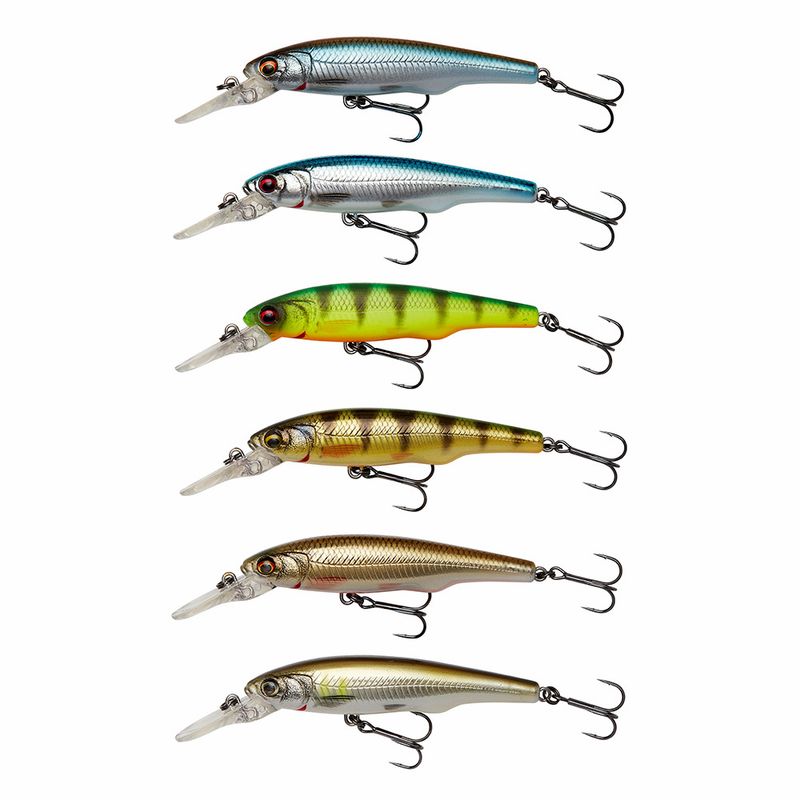
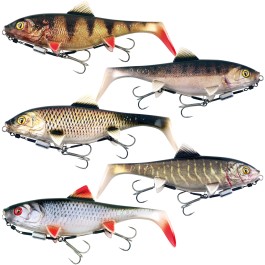
Carry different jighead weights. Published advice uses 9–12 cm shads for larger zander; go smaller for small canal fish.
Permitted deadbaits
Roach, including a small head or half-bait, is useful. Smelt or sardine are alternatives where permitted.
Bait rig components
A running lead arrangement, protective bead, swivel and suitable predator trace with hooks matched to the bait and venue rules.
Bite indication
Rod rests and a clear bobbin, alarm or rod-tip view. Stay close enough to respond immediately.
Landing and unhooking kit
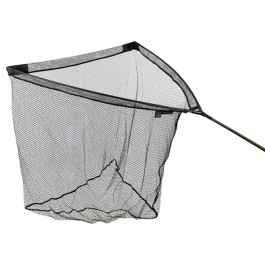
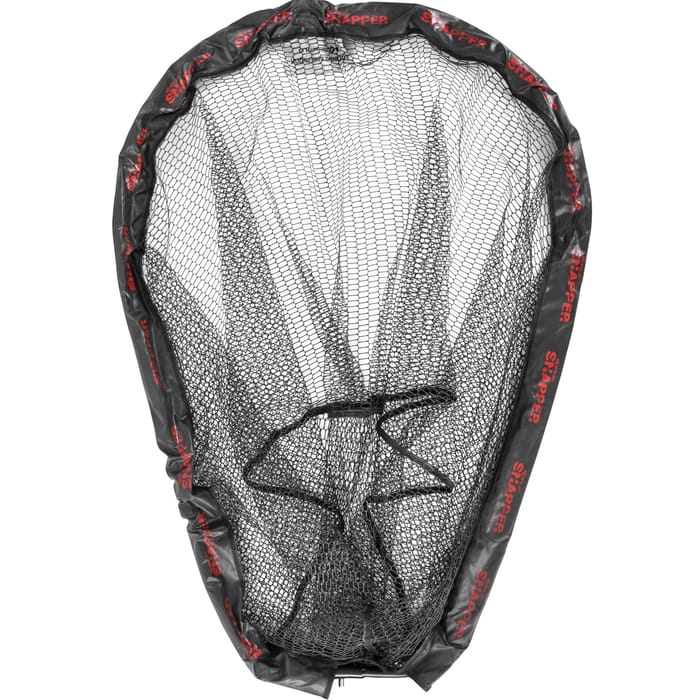
A net and wet unhooking mat sized for an accidental pike, long forceps, hook cutters and suitable pliers.
Permission and preparation
Relevant licence and ticket, confirmed zander-handling rules, and a headtorch for permitted night sessions.
Your first zander session
Keep the approach simple: confirm the rules, find likely water and search it deliberately.
- 1
1. Confirm access and the catch rules
Ask the controlling club or fishery whether you can target zander, which methods are allowed and what must happen to a captured fish. Check night access and bait restrictions too. A water appearing on a species list is not permission to fish it. Resolve any uncertainty before buying bait or travelling.
Tip: Ask specifically about zander return rules.
- 2
2. Choose a manageable stretch
Look for a stretch you can fish and land fish from without leaning over steep banks or working tight against dangerous snags. Pick a few likely features: a drop-off, a shaded margin and a change in flow. Arrive in daylight so you can identify a clear landing spot before darkness.
Tip: Avoid flooded banks and unsafe access.
- 3
3. Start with a searching lure
A soft-plastic shad lets you cover several features without settling into one swim. Fit a jighead that gives useful depth control, then cast around the feature rather than repeatedly into its centre. Begin near the bed with controlled lifts and pauses, keeping enough contact to notice a knock or sudden slackening.
Tip: Use wire where pike may take the lure.
- 4
4. Adjust depth before changing everything
If the lure sweeps away before reaching the intended depth, increase jighead weight a little. If it continually digs into the bed, lighten it or start retrieving sooner. Search different angles and layers. Lake zander can suspend in midwater, so a blank spell on the bottom does not prove the swim is empty.
Tip: Change one thing at a time.
- 5
5. Set up a small deadbait alternative
Where bait fishing is allowed, try a small roach head or half-bait on suitable predator hooks. A straightforward starting rig is a running lead above a protective bead and swivel, followed by the trace. Check that the running component slides freely and cannot be trapped by stops. Use wire wherever pike may be encountered.
Tip: Keep hook points clear of the bait.
- 6
6. Watch closely and respond promptly
Set your indication so a small movement is obvious, without loose line masking the bite. A bobbin movement or sharp rod-tip knock may be all you get. Pick up, take up slack and strike promptly at a bite indication. Do not wait for the fish to swallow the bait or make a long run.
Tip: Never leave baited rods unattended.
- 7
7. Move, land and handle with a plan
If a feature produces nothing, recast into a different area or move rather than waiting there automatically. Keep your net and unhooking tools ready throughout. Once you hook a fish, steer it clear of cover and net it under control. Follow the confirmed handling and return requirements for that particular water.
Tip: Have an experienced predator angler help with your first session.
Where can you fish for zander in the UK?
The River Severn and Fenland drains are established zander areas identified by the Environment Agency. Canal & River Trust lists them in the Oxford, Ashby, Coventry, Grand Union, South Stratford and Gloucester & Sharpness canals. These names narrow your search, but they do not identify an open-access swim. Find out who controls the exact stretch and ask about tickets, predator methods and access.
Grafham and Rutland reservoirs also hold zander, but check their current predator-fishing arrangements before planning a visit. Access and permitted methods matter as much as the species list. Venue rules come first when planning, alongside the law: licences and close seasons differ across England, Scotland, Wales and Northern Ireland. Do not carry an English rule, or one canal’s return policy, onto another water.
When and where to present your bait
Murky water suits zander, whether that colour comes from boats on a canal or conditions on a deep river. In daylight, start with shaded areas near the bed. Search holes, marginal cover and changes in depth or flow where prey fish gather. Snags can hold fish, but fish their accessible edges rather than dropping a rig somewhere you cannot control or land a hooked predator.
The first hour after darkness falls is a useful target window where night fishing is permitted. That is a starting point, not a promise of a bite. Arrive early, identify your landing area and work likely features before dusk. On lakes, cover midwater too: zander can suspend above the bottom, so vary the lure’s sinking time rather than assuming a heavier jighead is always the answer.
Baits and rigs without the guesswork
Roach is a useful starting deadbait where freshwater fish baits are allowed. A small head or half-bait offers a compact mouthful; published advice also suggests 4–6-inch deadbaits, reducing size if bites are missed. Smelt and sardine are alternatives where freshwater baits are banned, provided the venue permits them. There is no universal best bait: put an allowed bait where the fish are and keep bite indication clear.
For lures, a shad on a jighead is a versatile starting rig. Adjust weight to control depth and keep contact, rather than selecting it by habit. Published advice uses 9–12 cm shads when expecting zander above roughly 3 lb, with smaller lures for small canal fish. In clear, cold canal water, try a Ned rig: a small soft plastic on a stand-up jighead, dragged slowly with stops.
Adjust to the water in front of you
| If you're fishing… | Change | Why |
|---|---|---|
| Boat-coloured canal | Search depth changes and marginal cover with a shad. | Zander suit murky water; prey location still decides where to start. |
| Bright daylight | Concentrate on shaded areas near the bed. | These are common daytime holding areas. |
| First hour of darkness | Cover your strongest features if night fishing is allowed. | This is a useful target period, not a guaranteed feeding spell. |
| Clear, cold canal | Try a slow drag-and-stop Ned rig. | It offers a slower alternative to a moving shad. |
| Deep or stronger-flowing water | Increase jighead weight only enough to regain control. | You need to know where the lure is fishing and notice takes. |
| Lake with no bottom takes | Shorten the sink and search midwater. | Zander may be suspended rather than tight to the bed. |
| Freshwater fish baits prohibited | Ask whether smelt or sardine are allowed. | Alternative baits still need to comply with the venue’s rules. |
Problems & fixes
Symptom
Deadbait knocks but no hook-up
Likely cause
The bait may be too large, hook points masked or slack hiding the first movement.
Change
Reduce bait size, expose the points and improve indication. Do not solve missed bites by waiting longer.
Symptom
You cannot feel the lure working
Likely cause
The jighead may be too light for the depth or flow, or excessive slack is forming.
Change
Adjust the casting angle, manage slack and add a little weight if needed.
Symptom
The lure keeps snagging
Likely cause
It may be too heavy or spending too long stationary in cover.
Change
Lighten the head, retrieve sooner or fish the accessible edge. Move if landing a fish would be doubtful.
Symptom
Nothing happens in a promising swim
Likely cause
Fish may be elsewhere, above the bed or inactive at that moment.
Change
Change depth and casting angle, then recast the deadbait elsewhere or move swims.
Symptom
You are unsure whether a fish can be returned
Likely cause
General catch-and-release advice has been confused with the water’s actual requirements.
Change
Do not target zander until the controlling fishery has clarified the applicable rules and handling procedure.
Fish care, return rules and bank safety
- Prepare a wet mat, suitable net and long unhooking tools before casting. Keep handling brief and support the fish; avoid gills and eyes. Prompt deadbait strikes reduce deep-hooking risk. If you cannot confidently handle zander or an accidental pike, go with an experienced predator angler. Where release is permitted, minimise air exposure and return the fish promptly.
- On Canal & River Trust waterways, CRT states that captured zander must not be returned alive and carcasses must be removed, not thrown into the canal. Confirm a lawful, humane dispatch and disposal plan before fishing; if you cannot carry it out, do not target them there. Angling Trust support for catch-and-release in established populations is advocacy, not blanket legal permission.
- Venue rules come first alongside applicable law. In England, fishery stocking requires an Environment Agency permit: never transfer zander to another water yourself. Check, Clean, Dry your tackle between waters. Check weather, river levels and bank access before travelling; carry a torch for permitted night fishing and tell someone where you will be.
Bankside quick reference
- 1.Confirm tickets, methods, night access and zander return rules.
- 2.Presence on a species list is not fishing permission.
- 3.Start at shade, drop-offs, holes and prey fish.
- 4.Search with a shad; adjust weight for depth control.
- 5.Try a small permitted deadbait rather than a huge offering.
- 6.Use wire where pike may be encountered.
- 7.Strike deadbait indications promptly; never wait for swallowing.
- 8.Recast or move when a feature produces nothing.
- 9.Keep net, wet mat and unhooking tools ready.
- 10.Check, Clean, Dry before moving between waters.
Stuck on something? Ask Willy about this guide.
FAQs
How do you catch zander as a beginner?
Choose a permitted water with confirmed zander and clear handling rules. Search shade, depth changes and prey fish with a soft-plastic shad, or fish a small allowed deadbait with clear indication. Move between features and respond promptly to bites.
What is the best bait for zander?
There is no universal winner. Roach is a useful starting point, including a small head or half-bait. Published advice suggests 4–6-inch deadbaits, going smaller if bites are missed. Where freshwater fish baits are banned, ask whether smelt or sardine are permitted.
What rigs do you use for zander?
Start with a shad on a jighead for searching, or a running-lead deadbait rig with clear bite indication. Use a suitable wire trace where pike may occur. A slow Ned rig is another option for clear, cold canals. Match hooks and bait arrangements to venue rules.
Can you return zander in the UK?
Do not assume so. Confirm the requirements for the exact water before fishing. CRT states that zander caught on its waterways must not be returned alive and carcasses must be removed. Angling Trust catch-and-release advocacy does not override applicable law or fishery requirements.
What is the best time to fish for zander?
The first hour after darkness is a useful target period where night fishing is permitted. Daylight can also work: search shaded areas near the bed. Location, water colour and prey fish matter, so do not treat dusk as a guarantee.
Where can I find zander waters?
Start your search with the Severn, Fenland drains, selected canals, Grafham and Rutland. Confirm who controls the exact water, current predator access and all local rules. A recorded population does not mean you can simply turn up and fish.
Can you fish for zander all year?
Not everywhere. England-only: river coarse fishing, including zander, closes from 15 March to 15 June inclusive. Most enclosed stillwaters and canals allow year-round coarse fishing, subject to local byelaws. Private waters may set their own close seasons. Venue rules come first alongside law; check separate national requirements elsewhere in the UK.
Where to next
- Venue Rule CheckerStart with method restrictions and confirm zander requirements with the controlling fishery.
- Who Runs That Fishery?Find the controlling organisation before planning your visit.
- Pike Fishing for BeginnersPrepare for pike bycatch with suitable tackle and handling knowledge.
- How to Set Up a Deadbait Rig for PikeUnderstand predator deadbait components, indication and pike-resistant traces.
- River ReadyCheck river conditions before heading to a river zander venue.
Kit from this guide
Gear we've reviewed
Sources & methodology
Researched and written by the Tackle Index Editorial Team from the published sources listed below, checked on the date shown. It is general guidance: venue rules, licence rules and the conditions on the day always come first.
- Managing the risk from non-native fish — Environment Agency · Established fisheries and preventing species transfers · checked 6 October 2026
- Freshwater rod fishing rules: When and where you can fish — GOV.UK · River close season and stillwater exceptions · checked 6 October 2026
- Zander — Canal & River Trust · Canal locations, habitat and capture policy · checked 6 October 2026
- Angling Trust call for a balanced approach to Zander gets backing from across the sport — Angling Trust · Distinguishing catch-and-release advocacy from legal permission · checked 6 October 2026
- Five tips to catch your first zander — Angling Times · Timing, deadbaits, features and bite detection · checked 6 October 2026