Jump to…
The Tackle Index answer
For grayling fishing on the fly, start on open gravel runs, pool tails and slower, deeper water. Present a small weighted nymph near the bed, adjusting weight and depth until it drifts naturally. Use a dry-and-nymph duo in gentle shallow flows, or short-line nymphing in deeper fast water. Check local seasons, access and venue rules before fishing.
At a glance
- First places to look
- Open gravel runs, pool tails and slower, deeper water
- Simple starting method
- A buoyant dry with a nymph beneath it in gentle shallow water
- Nymphing rod
- Roughly 10-foot with a soft tip for reach and tippet protection
- Fly box
- Gammarus, Peeping Caddis, quilled nymphs and bright attractors
- Winter alternative
- CDC olive or midge dries when fish rise
- Before travelling
- Check permission, seasons, venue rules and river conditions
Choose water you can fish properly
Match the method to the flow, not just the flies in your box. Venue rules come first.
- Open gravel with an even flowGood fitA useful starting area for targeting grayling rather than trout.
- Slow, shallow waterGood fitA duo lets you watch a dry fly while the nymph fishes underneath.
- Fast, deep water within easy reachWith caveatsCzech nymphing suits the flow, but fish from a secure position rather than wading into danger.
- Mild winter weather with brief risesGood fitHave a tapered leader and small dries ready.
- Cover, margins and pool heads during trout closureLook elsewhereThese areas can increase encounters with out-of-season trout.
- Rising river or uncertain footingLook elsewhereDo not enter the river. Postpone if there is no secure bankside option.
What to take
You can start with conventional trout tackle. Specialist nymphing gear can follow.
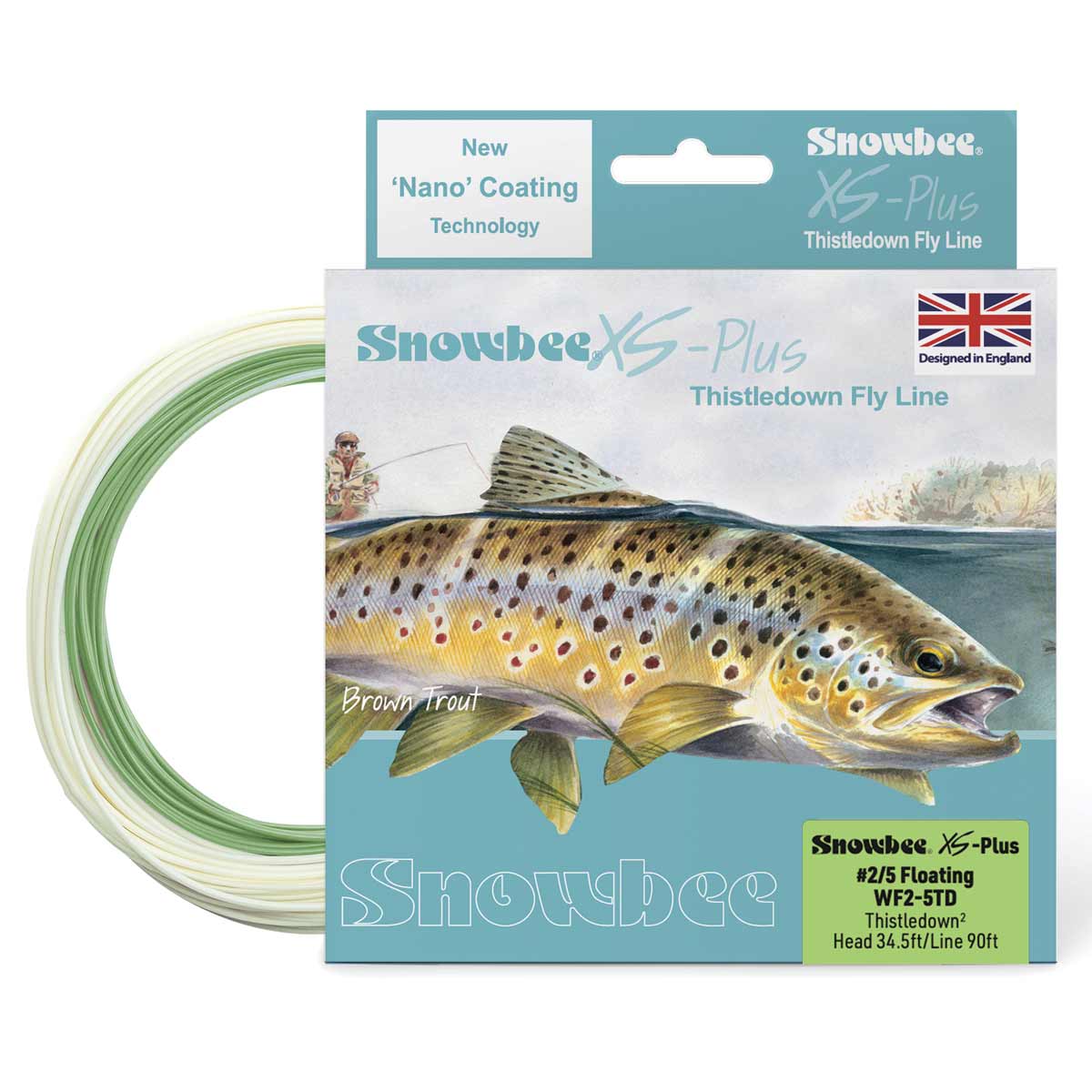
Rod, reel and floating line
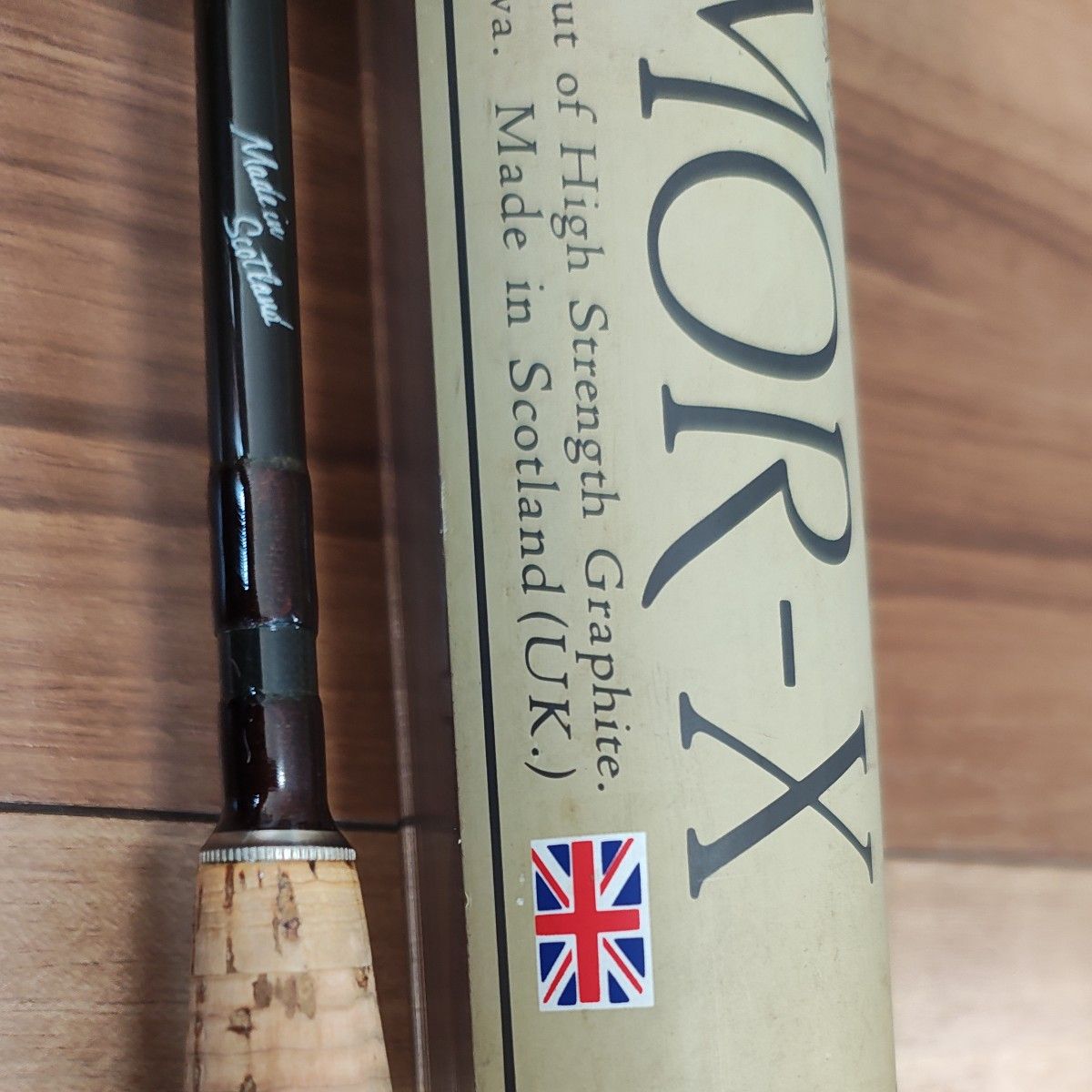
Conventional trout tackle suits duo fishing. A roughly 10-foot, soft-tipped rod helps with Euro-nymphing control.
Leader and tippet
Carry material suited to your flies and expected fish. Keep a tapered leader ready for dries.
Weighted nymphs
Take Gammarus, Peeping Caddis and quilled patterns in a spread of weights; adjust to depth and flow.
Natural and attractor patterns
Include dark-bodied, bright-tagged nymphs for slightly coloured water.
Dry flies
Bring a buoyant pattern for duo fishing, plus CDC olive and midge dries for rises.
Landing net and forceps
Choose fish-friendly knotless mesh and keep unhooking tools within reach.
Winter clothing and wading kit
Use suitable grip, a wading belt and staff where appropriate. Consider a suitable buoyancy aid; equipment does not remove current risk.
Permission and local information
Confirm access, applicable licence requirements, open dates and permitted methods before travelling.
Your first grayling session
Start with accessible water and one manageable presentation. Change one thing at a time.
- 1
1. Check the stretch before you travel
Ask the controlling club or fishery whether grayling fishing is open and which methods are permitted. Check river levels and the forecast, then choose a stretch with straightforward access. Venue rules come first, alongside applicable law. Do not assume that permission to fish for trout also covers winter grayling.
Tip: Have a bankside option if wading looks doubtful.
- 2
2. Watch before you cast
Look over open gravel runs, pool tails and slower, deeper water. In clear conditions, a pewter body and forked tail can help identify grayling; small puffs of silt may reveal feeding fish. Avoid starting beside cover or at a pool head when you are trying to leave out-of-season trout alone.
Tip: A bubble in a rise is a clue, not proof.
- 3
3. Set up a simple duo
For gentle shallow water, use your floating line and tapered leader with a buoyant dry fly supporting a weighted nymph below it. Where permitted, attach the nymph on a separate length of tippet from the dry's hook bend. Adjust that length to explore the depth, and use a dry that can support the nymph without sinking.
Tip: Check hook and fly-number restrictions before choosing the attachment.
- 4
4. Make a short, controlled drift
Cast a manageable distance upstream or slightly across, giving the nymph time to sink before it reaches the likely holding water. Gather slack without pulling the dry. Watch for a pause, dip or sideways movement, then lift smoothly. If the dry races ahead of nearby bubbles, shorten the cast and improve line control.
Tip: A natural drift matters more than extra casting distance.
- 5
5. Go short-line in deeper fast water
Where the water is reachable from a secure position, try Czech-style nymphing with a small weighted nymph and little loose line. Make a short upstream lob, allow it to sink, then lead the rod tip downstream without towing the fly. Watch the leader for hesitation and lift gently when you feel an unexpected stop.
Tip: Start with one nymph to keep handling simple.
- 6
6. Adjust depth, then explore nearby
If the nymph never seems to reach the feeding layer, try more weight or allow longer for it to sink. Repeated snagging suggests too much weight or depth. Work adjacent lanes before moving far: grayling commonly shoal. If trout keep taking, change the type of water rather than repeatedly fishing the same line.
Tip: Occasional bed contact is information; constant snagging is not the aim.
- 7
7. Respond to rises and land fish promptly
On a milder winter day, pause to watch for a short spell of rising fish. Switch to your tapered leader and a CDC olive or midge dry if appropriate. Once hooked up, use steady pressure and bring the fish to a submerged net without needless delay. Wet your hands and unhook it in the water.
Tip: Keep forceps ready before the first cast.
Finding grayling without repeatedly catching trout
The Ure, Welsh Dee, Dorset Frome, Test and Itchen are among the rivers Orvis identifies for grayling fishing. That is a starting list, not a promise of public access or winter availability. Find who controls the particular stretch and ask about grayling permits, open dates and suitable beginner water. A river name alone tells you little about the rules on an individual beat.
Grayling commonly shoal, so cover neighbouring lanes carefully after finding a fish. Open gravel and relatively uniform flows are useful places to start, with pool tails and slower, deeper water also worth searching. Avoid cover, margins and pool heads to reduce trout encounters. Small heavy nymphs can reach grayling beneath trout feeding higher up, but no method guarantees that you will avoid trout.
Nymph weight, contact and winter dries
Choose weight for the water before changing every pattern in your box. Gammarus, Peeping Caddis and quilled nymphs give you useful natural options; carry brighter attractors too. The aim is to reach the feeding depth without repeatedly anchoring on the bed. Keep casts short enough to control, and change weight or depth separately so you can tell which adjustment has improved the drift.
Czech nymphing is a useful choice for fast, deep water; French-leader tactics suit fast, shallow runs. In slower water, a duo suits shallow areas, while a bung or trio approach can suit deeper spots where permitted. Watch for fast surface flow pulling an indicator fly ahead of the nymph. On mild winter days, keep a tapered leader handy: brief rises may favour CDC olive or midge dries.
Change the approach with the water
| If you're fishing… | Change | Why |
|---|---|---|
| Fast and deep | Try short-line Czech nymphing with enough weight to reach depth. | Direct control helps when a surface indicator would drag. |
| Fast and shallow | Consider French-leader tactics; reduce weight if snagging. | They allow controlled nymph presentation without relying on a buoyant dry. |
| Slow and shallow | Start with a duo. | The dry provides a visible take indicator and another feeding opportunity. |
| Slow and deep | Consider a bung or trio approach where allowed. | Adjustable suspended depth can help cover deeper holding water. |
| Slight colour | Try a dark-bodied nymph with a bright tag. | It offers an alternative to subtle natural patterns. |
| Brief winter rises | Switch to a CDC olive or midge dry. | Feeding fish may be taking at the surface rather than near the bed. |
Problems & fixes
Symptom
The dry keeps sinking
Likely cause
The nymph is too heavy for it, or the dry is waterlogged.
Change
Restore the dry's buoyancy, reduce nymph weight, or change method if depth demands a heavier fly.
Symptom
The indicator races downstream
Likely cause
Surface current or a belly of fly line is dragging the rig.
Change
Shorten the drift, lift spare line off the water, or switch to controlled short-line nymphing.
Symptom
Constant bottom snags
Likely cause
Too much weight or too much fishing depth.
Change
Reduce one at a time. Do not strike hard at every bed contact.
Symptom
No takes despite visible fish
Likely cause
The nymph may be passing above them or dragging.
Change
Improve the drift first, then adjust depth or weight before changing pattern.
Symptom
Repeated out-of-season trout
Likely cause
The chosen holding water overlaps with trout habitat.
Change
Move away from cover, margins and pool heads. Try open gravel and stop fishing that area if trout persist.
Symptom
Tangles during short-line casts
Likely cause
Too much slack or an overcomplicated rig.
Change
Return to one nymph and a smooth upstream lob. Check the leader for damage.
Fish care, winter footing and rules
- Keep grayling and accidental trout captures in the water while unhooking. Use wet hands and never squeeze a fish to remove a hook. A thrashing grayling may settle if gently cradled belly-up in the submerged net. Return it upright and support it facing suitable current until it swims away; do not pump fish backwards and forwards. Avoid redds and suspect spawning gravel when wading.
- Venue rules come first and may be stricter than statutory rules. England-only: anglers aged 13 or older need a valid rod fishing licence, including on private fisheries, plus the owner's permission. Check supplementary local byelaws. Fisheries can extend statutory closures, not shorten them. Licence and season arrangements differ across England, Wales, Scotland and Northern Ireland.
- England-only: knotted or metallic landing-net mesh is prohibited, and freshwater fish foul-hooked in rivers, streams, drains or canals must be released immediately. In winter, avoid rising water, uncertain footing and deep or forceful currents. Tell someone your plan and carry a protected phone. Fish from the bank or leave if conditions are doubtful.
Bankside quick reference
- 1.Check the beat's grayling dates and permitted methods.
- 2.Search open gravel, even flows and pool tails.
- 3.Start with a duo in gentle shallow water.
- 4.Use short-line nymphing for reachable fast, deep runs.
- 5.Adjust weight before constantly swapping patterns.
- 6.Stop a surface indicator towing the nymph.
- 7.Carry natural nymphs and bright-tagged alternatives.
- 8.Keep a tapered leader ready for winter rises.
- 9.Move if out-of-season trout keep taking.
- 10.Unhook in the water and never squeeze a fish.
Stuck on something? Ask Willy about this guide.
FAQs
What are good grayling flies?
Gammarus, Peeping Caddis and quilled nymphs are useful starting patterns. Carry natural-looking flies and brighter attractors, including dark-bodied, bright-tagged nymphs for slightly coloured water. For rising fish, have CDC olive and midge dries ready. Choose nymph weight to suit depth and flow.
When is the grayling season?
There is no single season you should apply across the UK. Check the country's rules, local byelaws and the specific fishery's grayling dates before booking. Winter fishing is available on some waters, not automatically on every trout beat. Venue rules come first; in England, fisheries may extend statutory closures but cannot shorten them.
What is Czech nymphing for grayling?
It is close-range nymph fishing using weighted flies, a short controlled line and the rod tip to follow the drift. It suits fast, deep water you can reach from a secure position. Start with one nymph, let it sink and track it downstream without pulling it faster than the current.
Can I use my normal trout fly rod?
Yes. Conventional trout tackle and a floating line can fish a duo. A roughly 10-foot, soft-tipped rod gives more reach and helps protect light tippets for Euro-nymphing, but you do not need to buy one before trying grayling fishing.
Where can I go grayling fishing?
The Ure, Welsh Dee, Dorset Frome, Test and Itchen are among the rivers identified by Orvis. Access is stretch-specific. Contact the controlling fishery or club for permits, current dates and method restrictions rather than assuming the whole river is available.
How do I avoid catching out-of-season trout?
Concentrate on open gravel with relatively uniform flow, pool tails and slower, deeper water. Avoid cover, margins and pool heads. Fishing small heavy nymphs deeper can help, but cannot guarantee avoidance. Release accidental trout carefully and move if they keep taking.
Where to next
- Fly Fishing for BeginnersGet familiar with tackle, line and the basics before your first river session.
- How to Cast a Fly RodBuild controlled casts for duo and dry-fly fishing.
- River ReadyHelp plan your river trip before leaving home.
- Venue Rule CheckerCheck the restrictions that matter on your chosen water.
- Who Runs That Fishery?Find the controlling organisation and confirm access.
Kit from this guide
Gear we've reviewed
Sources & methodology
Researched and written by the Tackle Index Editorial Team from the published sources listed below, checked on the date shown. It is general guidance: venue rules, licence rules and the conditions on the day always come first.
- WHAT YOU NEED FOR GRAYLING FISHING ON THE FLY THIS WINTER — Orvis UK · Grayling rivers, tackle and winter flies · checked 6 October 2026
- Avoiding trout when grayling fishing — Wild Trout Trust · Finding grayling and avoiding winter trout · checked 6 October 2026
- Simon Robinson’s Top Tips for Winter Grayling — Fulling Mill · Matching nymphing methods to river conditions · checked 6 October 2026
- National rod fishing byelaws for England: freshwater fishing with a rod and line — Environment Agency / GOV.UK · England licences, permissions and fishing restrictions · checked 6 October 2026