Photos: Daiwa · supplied retailer imagery
Reels · Bite n Run · Our take
Daiwa 20 GS BR LT Reel
3000 and 5000-C
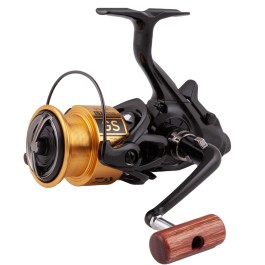
Gold spool, wooden grip and a compact Bite n Run setup. The GS BR LT has plenty going for specialist anglers — but picking the right size matters more than those cracking looks.
- Available in 3000 and 5000-C sizes, weighing 310g and 330g respectively.
- BR Bite n Run system with a rear adjustment dial, plus ATD fighting drag.
- Both sizes have four ball bearings, a 5.2:1 gear ratio and a stated 12kg maximum drag.
- DS4 carbon-composite body and rotor, gold-finished forged LC Long Cast ABS spool and folding handle with wooden grip.
Make sure it’s the right one. This review covers the Daiwa 20 GS BR LT in both sizes. It’s an informed look at the reel’s features and intended use, not a bank-tested verdict.
Tackle Index Score
Tackle Index score
Provisional feature-based scores, not bank-test results; value remains tentative without a confirmed selling price.
- Product Quality8.8/10
- Performance8.8/10
- Impact on Fish Catching7.7/10
- Ease of Use8.9/10
- Value for Money8.3/10
If you buy through our links, we might get a small kickback, but it won’t cost you a penny extra. As an Amazon Associate I earn from qualifying purchases. The full story
Who it suits
Is it right for you?
Great for
- Specialist anglers fishing static baits. The separately adjustable Bite n Run setting suits appropriate open-water setups for species such as tench, bream and carp.
- Anglers building compact short- to medium-range outfits. The two sizes let you prioritise lighter-line balance or thicker-line capacity without a huge jump in reel weight.
Maybe skip if
- Dedicated long-range carp anglers. A purpose-built big-pit reel is the more natural starting point when distance and substantial line reserves dominate your fishing.
- Anglers who never use free-spool. For float work or feeder fishing with the rod constantly in hand, a straightforward front-drag reel avoids a control you don’t need.
The lowdown
Introducing the Daiwa 20 GS BR LT Reel
Gold spool, wooden grip and a compact Bite n Run setup. The GS BR LT has plenty going for specialist anglers — but picking the right size matters more than those cracking looks.
- Available in 3000 and 5000-C sizes, weighing 310g and 330g respectively.
- BR Bite n Run system with a rear adjustment dial, plus ATD fighting drag.
- Both sizes have four ball bearings, a 5.2:1 gear ratio and a stated 12kg maximum drag.
- DS4 carbon-composite body and rotor, gold-finished forged LC Long Cast ABS spool and folding handle with wooden grip.
Quick verdict
A tidy fit for specialist bait fishing
The GS BR LT makes plenty of sense if you want a compact reel for bait fishing with a separate free-spool setting. The gold spool and wooden grip bring the charm, while the folding handle and rear-adjustable Bite n Run system bring the practical stuff.
Choose the 3000 for lighter-line work and the 5000-C when thicker mono capacity matters. Neither is a substitute for a dedicated big-pit reel, and we haven’t bank-tested the drag or long-term durability.
Provisional feature-based scores, not bank-test results; value remains tentative without a confirmed selling price.
- Product Quality
- 8.8/10
- Performance
- 8.8/10
- Impact on Fish Catching
- 7.7/10
- Ease of Use
- 8.9/10
- Value for Money
- 8.3/10
The forged spool, DS4 construction and practical handle make a promising package, though long-term durability is untested.
The two capacity options, ATD drag and separate BR adjustment suit specialist bait fishing well on paper.
Useful line management and appropriate free-spool control support your fishing, but won’t replace good location and presentation.
Rear-dial BR adjustment and a folding handle are practical touches once you’re familiar with the separate drag controls.
The feature mix looks worthwhile for regular BR users, but this score is tentative without a confirmed purchase price.
Head to head
How it stacks up
Side by side with the closest kit we've reviewed. This updates as we add more reviews.
Daiwa
Daiwa 20 GS BR LT Reel (this one)
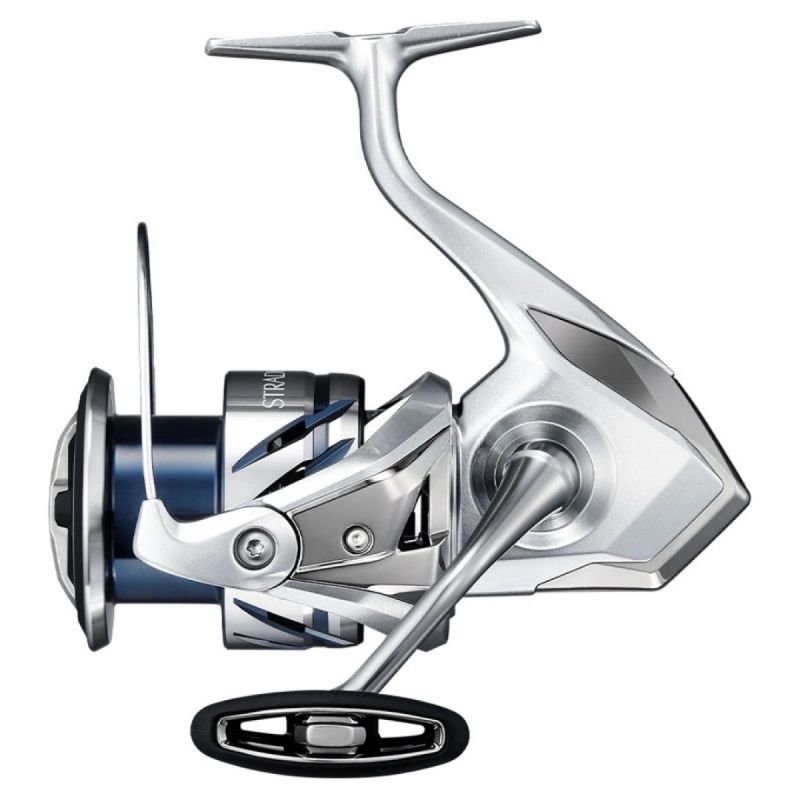
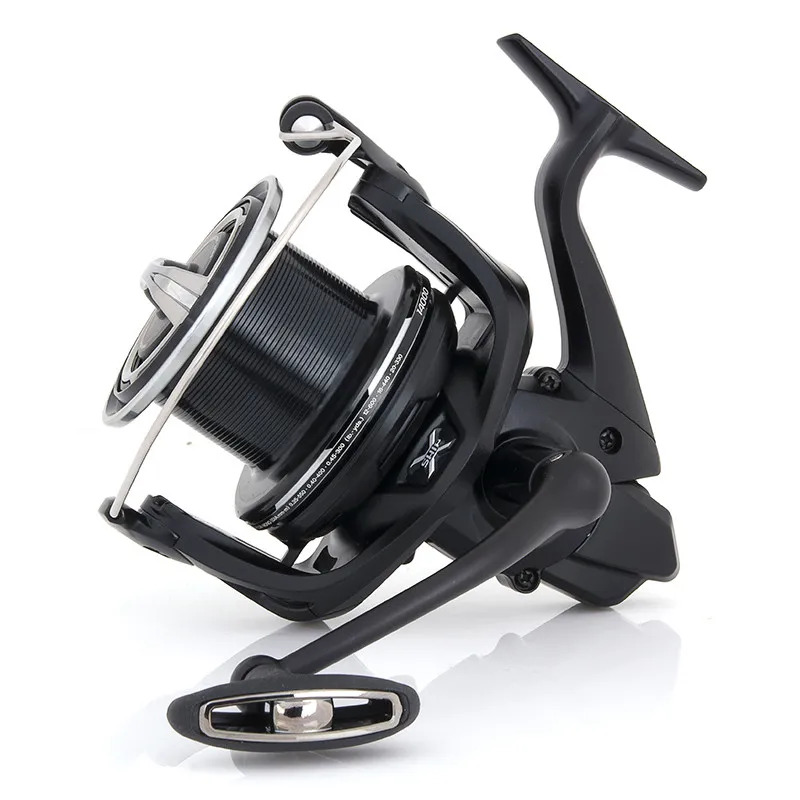
Top scorer
Top scorer
Scores are our own, out of 10. Best in each row is in green. Prices change, so check the latest before you buy.
The full rundown
Everything you'll want to know about the Daiwa 20 GS BR LT Reel
The Daiwa 20 GS BR LT is the sort of reel that’ll get a second glance before you’ve even threaded the line through the rings. Gold spool, dark body, wooden handle grip — proper traditional specialist-tackle looks. But the useful bit isn’t the colour scheme. It’s the combination of a compact reel format and Daiwa’s BR Bite n Run system, giving you a separate free-spool setting for suitable bait-fishing situations. If your fishing involves watching bobbins rather than constantly holding the rod, that’s the feature to pay attention to.
There are two sizes: 3000 and 5000-C. Don’t assume that means one is a little coarse reel and the other is some enormous carp winch. They weigh 310g and 330g respectively, so there’s only 20g between them. The much bigger distinction is line capacity. Daiwa lists the 3000 at 150m of 0.23mm mono, while the 5000-C takes 150m of 0.37mm. That’s a meaningful difference when you’re choosing line for tench, carp or other specialist fishing, rather than simply matching a reel number to a rod.
For lighter-line work, the 3000 is the obvious starting point. Think modest venues, sensible casting distances and tackle that doesn’t need a hefty reserve of thick mono. Move towards stronger mainlines and the 5000-C makes more sense straight away. You’re gaining useful capacity without a massive weight penalty, which is dead handy on a compact bait-fishing outfit. Neither size should be chosen purely because it looks bob on beneath the reel seat, though. Check the balance on your rod and think about the line you’ll actually spool up with.
The Bite n Run system is adjusted with a rear dial, separately from the main fighting drag. That gives you a way to let a fish take line under controlled resistance before you play it on the main drag. It’s useful when the swim and method allow it, not something to switch on automatically every cast. Wind, undertow and the pull of your indicator all affect how you set things. Too loose can mean unwanted line movement; too tight defeats the point. A quick check before settling down saves faff later.
There’s an important bank-side limit here, mate: free-spool isn’t a substitute for staying on your rods. If a fish can reach branches, weed or another obstacle before you react, letting it travel freely is asking for trouble. Fish the swim with that risk in mind, and move or rethink the approach if you can’t do it safely. In clear water with room to respond, the system is a handy convenience. Around danger, the priority is control, not enjoying a longer screaming take while you finish your brew.
Underneath the retro styling, both sizes use a DS4 carbon-composite body and rotor, Tough Digigear gearing and four ball bearings. They also share a 5.2:1 gear ratio, although their retrieve figures differ: 77cm per handle turn for the 3000 and 87cm for the 5000-C. So the larger model picks up more line despite having the same ratio. That’s useful context when bringing a rig back for another cast, but it doesn’t prove how either reel feels under load. We haven’t tested them on the bank.
The gold-finished spool is a forged LC Long Cast ABS design. It’s a casting-focused feature, not a promise that you’ll suddenly hit the far bank. Line diameter, how neatly you fill the spool, your rod and your casting all still matter. The One-Touch folding handle is a more straightforward everyday perk: folding it away helps keep a tackled-up outfit tidy in transit. The wooden grip completes the look nicely, though whether you prefer that shape and feel over a different handle knob is very much a personal thing.
Both sizes have ATD drag with a stated 12kg maximum. Don’t get carried away with that figure: your knots, hooklength and hook need protecting long before a headline maximum becomes relevant. The sensible appeal here is a manageable specialist reel with useful line-capacity choices and a separate free-spool control. If you’ll use those features, there’s a coherent package beneath the gold trim. If you only float fish or need a dedicated distance-carp setup, there are more natural reel types to start with. Buy for the job first; admire the spool afterwards.
Specifications
The nuts and bolts
- Sizes and weight
- 3000: 310g / 11oz; 5000-C: 330g / 11.6oz.
- Gearing and retrieve
- Both: 5.2:1 and four ball bearings. Retrieve per handle turn: 3000, 77cm; 5000-C, 87cm.
- Mono and braid capacity
- 3000: 150m/0.23mm mono, 200m/0.13mm braid. 5000-C: 150m/0.37mm mono, 200m/0.20mm braid.
- Drag and Bite n Run
- ATD drag; stated maximum drag of 12kg on both sizes. BR Bite n Run with rear-dial adjustment.
- Body and gearing
- DS4 carbon-composite body and rotor; Tough Digigear gearing.
- Spool and handle
- Gold-finished forged LC Long Cast ABS spool; One-Touch folding handle with wooden grip.
Specs checked with Daiwa, Oct 2026.
Spot a model or spec change?
Our take
Pick it by line diameter, not just rod length
There’s only 20g between the two sizes, but a substantial difference in stated line capacity. That makes your intended mainline the sensible starting point.
The 3000 holds 150m of 0.23mm mono; the 5000-C holds 150m of 0.37mm. For heavier specialist fishing, that extra capacity is much more useful than saving a few grams.
The hardware
Closer look: more than a pretty gold spool
The GS BR LT puts traditional styling around a modern specialist-reel layout. Its DS4 carbon-composite body and rotor sit alongside Tough Digigear gearing, while the forged LC Long Cast ABS spool handles the line. Those are identifiable features, not proof of years of trouble-free use. Without hands-on fishing, we can’t tell you how the handle feels after a winter’s work or how the drag behaves during a sudden close-range surge.
The shared 5.2:1 ratio hides a useful difference: the 5000-C retrieves a stated 10cm more line per turn than the 3000. More importantly, it accommodates much thicker mono at the same stated 150m length. If you’re putting together a heavier specialist outfit, that capacity difference deserves attention before bearing counts or cosmetics.
Worth knowing. Compare line by diameter, not just the breaking strain on the label. Different monos with the same claimed strength can take up different amounts of spool space. The published capacities are a much better guide when you match their diameters to your chosen line.
Finding its job
Who it suits: bait anglers who’ll actually use the BR
For tench and bream fishing with static baits, or sensible short- to medium-range carp work, the format has clear appeal. Choose the size around your line and the demands of the swim. The 5000-C is the stronger candidate for thicker mono; the 3000 is easier to justify when lighter line and modest capacity fit the job.
The folding handle is handy if you transport rods made up, but check that your rig, lead and hook are secured too. A neatly folded reel won’t stop a loose feeder battering the blank. Before the first cast, check the main drag and BR resistance rather than assuming yesterday’s settings are right for today’s swim.
If you’re holding a float rod all day, the free-spool feature earns less of its keep. Likewise, anglers repeatedly working at serious carp-fishing distances should look at purpose-built big-pit options. Value here depends on using the package, not simply liking the gold finish. With no confirmed selling price to compare, we wouldn’t call it a bargain on looks alone.
Before you choose
FAQs in full: size, free-spool and drag
3000 or 5000-C? Choose the mainline first, then the reel. The 3000’s stated mono capacity is 150m of 0.23mm; the 5000-C’s is 150m of 0.37mm. Braid capacities are 200m of 0.13mm and 200m of 0.20mm respectively. Thicker line reduces the amount you can fit, so leave yourself a sensible reserve for your fishing rather than filling a small spool with line that barely covers the cast.
What’s the rear dial for? It adjusts the Bite n Run resistance, not your main fighting-drag setting. Get familiar with the controls before fishing and check the transition back to the main drag with the rod safely in hand. The point is controlled line release in an appropriate swim, not giving a fish a head start towards trouble.
Is 12kg of drag necessary? That maximum doesn’t tell you how much pressure your tackle should take, and it certainly isn’t a limit on the weight of fish you can land. Set the drag for the complete outfit and check it with the line running through the rings. Sensible pressure and a balanced setup matter far more than trying to use every last bit of the reel’s stated drag.
On paper
Pros & cons
What we like
- Separate Bite n Run adjustment is handy for suitable static bait-fishing setups.
- 5000-C offers substantially greater mono capacity for only 20g extra weight.
- One-Touch folding handle helps tidy rods away for transport.
- Two sizes cover useful lighter and heavier specialist roles.
- Gold spool and wooden grip deliver proper traditional tackle appeal.
Worth knowing
- The 3000’s capacity becomes restrictive if you want thicker mono.
- Not the obvious choice for dedicated long-range carp work.
- Bite n Run adds an extra control you may not need for float fishing or active feeder work.
Want one?
Add it to your Wanted list or join a Group Buy — shops see anonymous totals only.
Your questions answered
What anglers want to know
The stuff you’d ask your mate on the next peg. Straight answers, no waffle.
01Should I choose the 3000 or 5000-C?
Should I choose the 3000 or 5000-C?
Start with your mainline. The 3000 holds 150m of 0.23mm mono and weighs 310g. The 5000-C holds 150m of 0.37mm and weighs 330g, making it the more sensible option when thicker line and greater capacity matter.
02What does the Bite n Run adjustment do?
What does the Bite n Run adjustment do?
It lets you adjust the resistance of the separate free-spool setting using the rear dial. Set the main fighting drag independently, and check both before casting. Free-spool isn’t permission to leave rods unattended or let fish run towards snags.
03Does the 12kg drag rating mean I should use that much pressure?
Does the 12kg drag rating mean I should use that much pressure?
No, mate. That’s the stated maximum, not a fishing recommendation or a fish-size limit. Set the drag to suit your line, knots, hooklength, hook and rod, with enough give to protect the weakest part of the setup.
What anglers say
The word from the bank
Our read: a tidy fit for specialist bait fishing. The strongest reasons to choose it are separate bite n run adjustment is handy for suitable static bait-fishing setups. and 5000-c offers substantially greater mono capacity for only 20g extra weight.; the main trade-off is the 3000’s capacity becomes restrictive if you want thicker mono..
Our take on the feedback
Why it appeals
Checked Sept '26 — “Separate Bite n Run adjustment is handy for suitable static bait-fishing setups.”
Best fit
Checked Sept '26 — “Specialist anglers fishing static baits: The separately adjustable Bite n Run setting suits appropriate open-water setups for species such as tench, bream and carp.”
Worth knowing
Checked Sept '26 — “The 3000’s capacity becomes restrictive if you want thicker mono.”
Tackle Index’s take from the product details and fishing fit we checked. We haven’t found enough independent public feedback to call this an angler consensus yet.
Angler score
What our readers rate Daiwa 20 GS BR LT Reel
No angler score yet — nobody's reviewed Daiwa 20 GS BR LT Reel here. Be the first and get the score started.
Owner reports
Own this? Help the next angler.
Quick multiple-choice reports from people who say they own the Daiwa 20 GS BR LT Reel. Not verified purchases, and kept separate from our score.
No owner reports yet.
Alternatives & go-withs