Photos: Daiwa · supplied retailer imagery
Rods · Sea bass lure rods · Our take
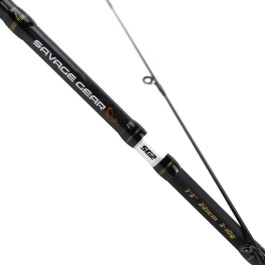
Daiwa BG Seabass Rods
BG822HMHFS-CF, BG902HFS-CF and BG932HXHFS-CF
Three shore-lure options with HVF carbon blanks, X45 reinforcement and sensible fittings. The trick is choosing the one that suits your lure box rather than automatically going beefy.
- Three models: 8ft 2in/10–35g, 9ft/14–42g and 9ft 3in/14–56g.
- All three are two-piece rods with HVF carbon blanks.
- X45 reinforcement, V-Joint construction and progressive tip action.
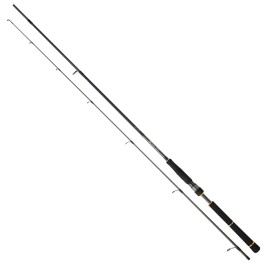
- Fuji O guides, Air Sensor reel seat, high-density EVA handle and lure hook holder.
Make sure it’s the right one. This covers the three two-piece BG Seabass models listed here. We haven’t tested them on the bank or shore; the verdict is based on their confirmed features and intended use.
Tackle Index Score
Tackle Index score
Provisional feature-based scores, not hands-on ratings; value is the least certain without a confirmed selling price.
- Product Quality8.8/10
- Performance8.6/10
- Impact on Fish Catching7.7/10
- Ease of Use8.8/10
- Value for Money7.7/10
If you buy through our links, we might get a small kickback, but it won’t cost you a penny extra. As an Amazon Associate I earn from qualifying purchases. The full story
Who it suits
Is it right for you?
Great for
- Shore bass lure anglers. The three casting ranges let you match a rod to your regular plugs, metals and weighted soft plastics.
- Coarse anglers building a dedicated coastal outfit. A purpose-built bass lure rod makes more sense than pressing a carp or feeder rod into a completely different job.
Maybe skip if
- Ultralight lure specialists. Even the lightest-rated model starts at 10g, so tiny jigheads and miniature lures aren’t its intended territory.
- Bait anglers casting leads and baited rigs. These are lure rods, not replacements for beachcasters or dedicated bait-fishing outfits.
The lowdown
Introducing the Daiwa BG Seabass Rods
Three shore-lure options with HVF carbon blanks, X45 reinforcement and sensible fittings. The trick is choosing the one that suits your lure box rather than automatically going beefy.
- Three models: 8ft 2in/10–35g, 9ft/14–42g and 9ft 3in/14–56g.
- All three are two-piece rods with HVF carbon blanks.
- X45 reinforcement, V-Joint construction and progressive tip action.
- Fuji O guides, Air Sensor reel seat, high-density EVA handle and lure hook holder.
Quick verdict
A well-equipped bass range with three distinct jobs
The BG Seabass range looks a sensible shout for dedicated shore lure fishing. HVF carbon, X45 reinforcement, V-Joint construction and Fuji O guides give you a properly considered package, rather than just a flashy black-and-gold finish.
Choose around the lures you actually cast. The 10–35g model makes sense for the lighter end, the 14–42g sits between the two, and the 14–56g gives heavier presentations more room. Actual feel and casting performance still need a proper hands-on check.
Provisional feature-based scores, not hands-on ratings; value is the least certain without a confirmed selling price.
- Product Quality
- 8.8/10
- Performance
- 8.6/10
- Impact on Fish Catching
- 7.7/10
- Ease of Use
- 8.8/10
- Value for Money
- 7.7/10
The confirmed blank technologies and branded fittings make a convincing package, though finish and durability haven’t been checked hands-on.
Three distinct casting ranges offer useful choices for bass lure fishing, but actual casting and lure control remain untested.
A well-matched model can support presentation and line management, but location, timing and lure choice still do the heavy lifting.
Two-piece construction, an EVA handle and a lure holder are practical touches, provided you choose the appropriate casting range.
The feature package looks promising, but this cautious provisional score needs weighing against the actual asking price.
Head to head
How it stacks up
Side by side with the closest kit we've reviewed. This updates as we add more reviews.
Daiwa
Daiwa BG Seabass Rods (this one)

Top scorer
Scores are our own, out of 10. Best in each row is in green. Prices change, so check the latest before you buy.
The full rundown
Everything you'll want to know about the Daiwa BG Seabass Rods
If you’re swapping a quiet carp swim for a stretch of coast, a dedicated bass lure rod is a different sort of tool. You’re holding it, casting it and working a lure rather than leaving it on alarms until the rods are off. The Daiwa BG Seabass range gives you three choices for that job, with lengths and casting weights that cover different presentations. We haven’t fished these rods, so this is a look at what you’re buying and how to choose, not a tale about landing a stunner.
First up is the BG822HMHFS-CF: 8ft 2in, or 2.49m, with a 10–35g casting range. That’s the shortest and lightest-rated of these three. It’s the logical starting point if your lure box leans towards lighter bass presentations and you don’t particularly need extra reach. Think suitable plugs and weighted soft plastics, rather than tiny ultralight offerings. A shorter rod can also be less of a faff when access is tight, although your casting space and footing matter far more than any neat little rule about rod length.
The BG902HFS-CF steps up to 9ft, or 2.74m, and carries a 14–42g rating. It sits between the other two, which makes it a sensible one to consider if your usual lures fit comfortably inside that window. Extra length can help with line management and keeping line clear of nearby wash or obstacles, depending on the mark. It doesn’t automatically buy you a huge cast, though. Lure shape, wind, line, technique and whether the rod loads nicely with your chosen lure all have a say in that.
Then there’s the BG932HXHFS-CF, measuring 9ft 3in, or 2.82m, with a 14–56g casting range. The bigger upper rating is its main point of difference, not simply those extra inches. If heavier metals or larger weighted soft plastics feature regularly in your fishing, that extra capacity becomes relevant. If they don’t, there’s no need to buy it just in case a lump turns up. Casting weight tells you about the intended casting load; it isn’t a promise about fish size or permission to bully a bass through every snag.
Across the three models, you get an HVF carbon blank with X45 reinforcement and V-Joint construction. In plain English, those are Daiwa’s approaches to the blank material, resisting blank twist and managing the bend around the joint. That’s a credible package on paper. What it doesn’t tell us is exactly how crisp each model feels, how it recovers after a cast or how tiring it is over a long wander. Those are hands-on questions, and we’re not going to dress a feature list up as a fishing session.
The fittings are worth a look as well. There are Fuji O guides, an exclusive Air Sensor reel seat and a high-density EVA foam handle. You also get a lure hook holder, which is dead handy when you’re moving between spots, provided the hooks are safely secured. The finish is black and gold with gunsmoke-coloured rings: smart without needing much explanation. More importantly, try the rod with your intended reel if you can. How the outfit sits in your hand matters when you’re repeatedly casting and retrieving.
Daiwa describes the action as a progressive tip action. Treat that as a useful description of the intended character, not a guarantee that every plug or jig will feel bob on. Different lure styles ask different things of a rod, and the three casting ranges still matter. With soft plastics, remember to count the body as well as the jighead when working out your load. A chunky plastic adds weight. Keep your regular presentations comfortably within the stated range rather than treating the upper figure as a target to beat.
For a carp or coarse angler putting together a coastal outfit, the appeal is straightforward: dedicated lure rods with clear choices and a solid-looking set of components. All three split into two sections, making transport easier than with a one-piece rod, though they aren’t tiny travel packages. Pick for the fishing you actually do, give the outfit a gentle freshwater rinse after saltwater use and check the guides regularly. No rod puts bass on the munch, mate, but the right match should stop your tackle becoming the awkward bit.
Specifications
The nuts and bolts
- BG822HMHFS-CF
- 8ft 2in (2.49m); casting weight 10–35g; two sections
- BG902HFS-CF
- 9ft (2.74m); casting weight 14–42g; two sections
- BG932HXHFS-CF
- 9ft 3in (2.82m); casting weight 14–56g; two sections
- Blank and action
- HVF carbon; X45 reinforcement; V-Joint construction; progressive tip action
- Guides and reel seat
- Fuji O guides; exclusive Air Sensor reel seat
- Handle and finish
- High-density EVA foam handle; lure hook holder; black-and-gold finish with gunsmoke-coloured rings
Specs checked with Daiwa, Oct 2026.
Spot a model or spec change?
Our take
Match the rod to your working lure box
A longer, heavier-rated rod isn’t automatically an upgrade. If most of your fishing involves modest plugs and soft plastics, extra casting capacity can be something you carry rather than something you use.
Start with the complete weight of your usual lures, then think about reach, access and how much walking you do. That’s a better buying plan than choosing whichever model sounds toughest.
The build
Closer look: more than a black-and-gold finish
The shared build is the main attraction here: HVF carbon, X45 reinforcement and V-Joint construction across three two-piece options. X45 is intended to resist twisting, while V-Joint is designed to help the joint area bend more smoothly. These are useful design features, but they don’t prove casting distance or sensitivity on their own.
Fuji O guides, the Air Sensor reel seat and high-density EVA handle round things out. If you can handle one before buying, check grip comfort with your reel fitted and your hand in its normal retrieving position. A rod that feels comfortable for a quick waggle still needs to suit how you actually fish.
Worth knowing. The casting rating applies to the complete load. Weigh assembled soft-plastic rigs if you’re unsure, and don’t confuse a 14–56g lure rod with an outfit for chucking heavy leads and bait.
Choosing yours
Who it suits: buy for the mark and the lures
The 8ft 2in/10–35g model is the natural candidate for anglers prioritising the lighter end of this range and a shorter rod. The 9ft/14–42g deserves a look when you want more length without needing the highest casting ceiling. Neither choice should be made on length alone: check where your favourite lures sit first.
The 9ft 3in/14–56g makes most sense when heavier presentations are a regular part of the plan. It isn’t automatically the best beginner’s option or the best rod for bigger bass. For genuinely tiny lures, look elsewhere; for lead-and-bait fishing, choose a rod built for that job. Matching the tool saves plenty of faff.
Quick answers
FAQs in full: the practical buying questions
Which model should you buy? Lay out the lures you use most, check their complete weights and compare them with the three ratings. Then consider access and line-control needs. If you’re between models, handling both with your intended reel will tell you more about comfort than picking the longer one by default.
Are they all two-piece? Yes, all three listed models have two sections. That helps with car journeys and storage, but check the available space rather than assuming they’ll fit a compact travel bag. Assemble the joint carefully and check it remains seated during a session.
Does the jighead weight tell you the casting weight? Not by itself. Add the soft-plastic body and any other attached components to get the full load. This matters especially near the upper rating. A cheap set of small scales can take the guesswork out before you head for the coast.
On paper
Pros & cons
What we like
- Three useful length and casting-weight combinations rather than one catch-all option.
- HVF, X45 and V-Joint make for a well-equipped blank package on paper.
- Fuji O guides and an Air Sensor reel seat are welcome fittings.
- Two-piece construction is practical for transport.
Worth knowing
- The range isn’t aimed at genuinely ultralight lure work.
- Longer models are less handy around cramped access and awkward storage.
- No single model is the obvious choice for both very light lures and the heaviest presentations covered here.
Want one?
Add it to your Wanted list or join a Group Buy — shops see anonymous totals only.
Your questions answered
What anglers want to know
The stuff you’d ask your mate on the next peg. Straight answers, no waffle.
01Which BG Seabass model should I choose?
Which BG Seabass model should I choose?
Start with your complete lure weights. Choose between the 8ft 2in/10–35g, 9ft/14–42g and 9ft 3in/14–56g around your usual presentations, then consider the reach and handling you want.
02Are all three rods two-piece?
Are all three rods two-piece?
Yes. BG822HMHFS-CF, BG902HFS-CF and BG932HXHFS-CF all have two sections and V-Joint construction.
03Does casting weight include the soft plastic as well as the jighead?
Does casting weight include the soft plastic as well as the jighead?
Yes. Count the complete load you’re casting, including the plastic and jighead. A jighead marked with a particular weight doesn’t tell you the finished lure’s total weight.
What anglers say
The word from the bank
Our read: a well-equipped bass range with three distinct jobs. The strongest reasons to choose it are three useful length and casting-weight combinations rather than one catch-all option. and hvf, x45 and v-joint make for a well-equipped blank package on paper.; the main trade-off is the range isn’t aimed at genuinely ultralight lure work..
Our take on the feedback
Why it appeals
Checked Sept '26 — “Three useful length and casting-weight combinations rather than one catch-all option.”
Best fit
Checked Sept '26 — “Shore bass lure anglers: The three casting ranges let you match a rod to your regular plugs, metals and weighted soft plastics.”
Worth knowing
Checked Sept '26 — “The range isn’t aimed at genuinely ultralight lure work.”
Tackle Index’s take from the product details and fishing fit we checked. We haven’t found enough independent public feedback to call this an angler consensus yet.
Angler score
What our readers rate Daiwa BG Seabass Rods
No angler score yet — nobody's reviewed Daiwa BG Seabass Rods here. Be the first and get the score started.
Owner reports
Own this? Help the next angler.
Quick multiple-choice reports from people who say they own the Daiwa BG Seabass Rods. Not verified purchases, and kept separate from our score.
No owner reports yet.
Alternatives & go-withs