Photos: Daiwa · supplied retailer imagery
Terminal tackle · Coarse hooks · Our take
Daiwa Gamakatsu G-Point All Round Coarse Hooks
GP103 · Barbless · Spade end
The GP103 keeps things straightforward: loose, barbless, spade-end hooks with a size range covering delicate maggot work through to bigger bread, worm and corn presentations. Just bring your hook-tying skills.
- GP103 All Round coarse hook pattern.
- Barbless with a spade-end attachment.
- 10 loose hooks per packet; not tied to nylon.
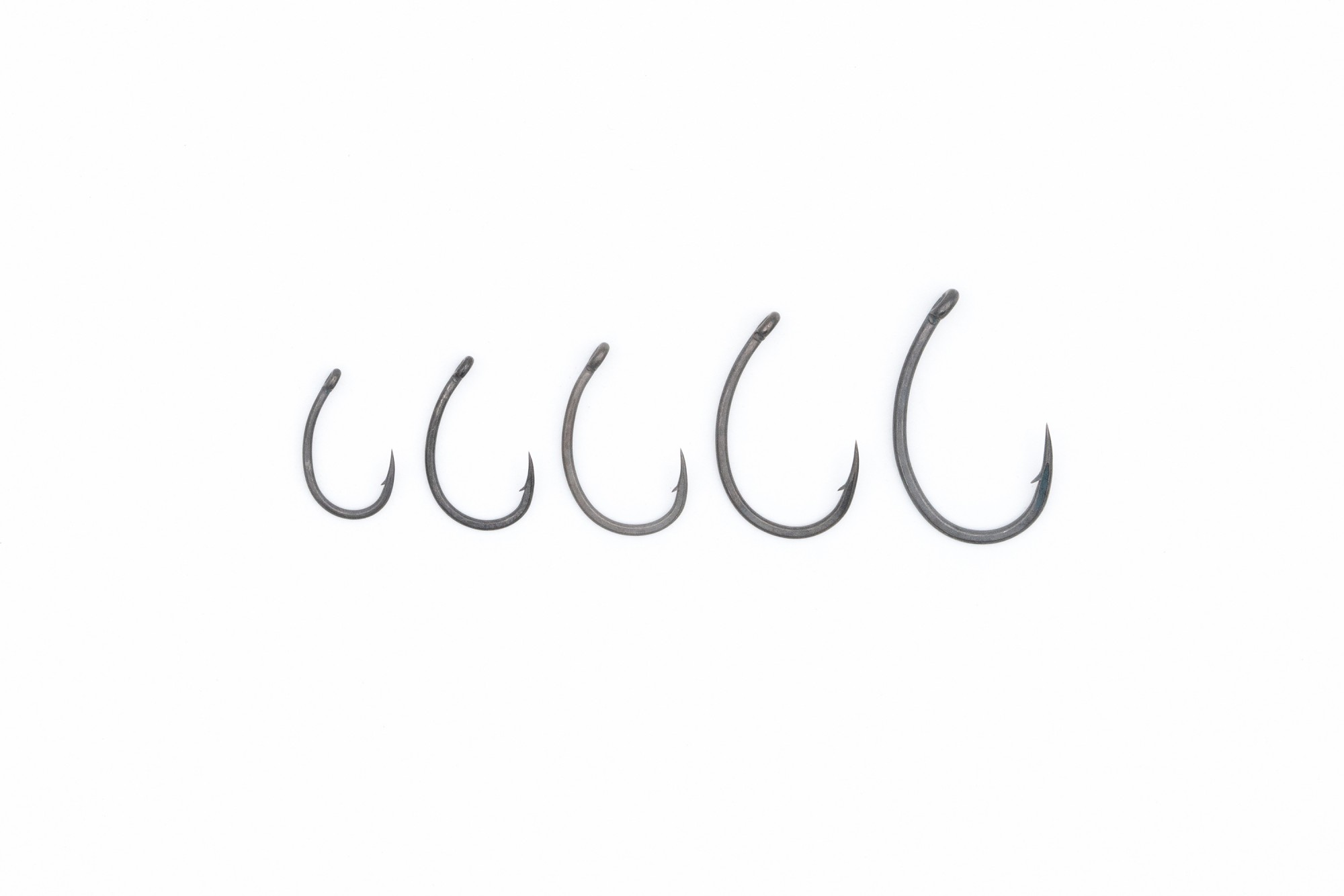
- Advertised size range runs from 12 to 24.
Make sure it’s the right one. This review covers the loose GP103 All Round pattern, supplied in packets of 10, rather than hooks already tied to nylon.
Tackle Index Score
Tackle Index score
Provisional desk-based scores for the GP103’s stated features and practical role, not bank-test results; value remains tentative without a confirmed selling price.
- Product Quality8.6/10
- Performance8.5/10
- Impact on Fish Catching8.3/10
- Ease of Use7.7/10
- Value for Money7.9/10
If you buy through our links, we might get a small kickback, but it won’t cost you a penny extra. As an Amazon Associate I earn from qualifying purchases. The full story
Who it suits
Is it right for you?
Great for
- Coarse anglers who tie their own hooklengths. You can pair the GP103 with your preferred hooklength material and prepare lengths for different rigs.
- Mixed-bait float, pole and feeder anglers. The advertised size range covers small-bait presentations as well as larger offerings of breadflake, worm and corn.
Maybe skip if
- Beginners wanting an instant hooklength. These are loose spade-end hooks, so there’s a knot to learn before you’re ready to fish.
- Anglers buying specifically for heavy carp work. The all-round description doesn’t establish the strength needed for powerful tackle, snaggy swims or specialist carp rigs.
The lowdown
Introducing the Daiwa Gamakatsu G-Point All Round Coarse Hooks
The GP103 keeps things straightforward: loose, barbless, spade-end hooks with a size range covering delicate maggot work through to bigger bread, worm and corn presentations. Just bring your hook-tying skills.
- GP103 All Round coarse hook pattern.
- Barbless with a spade-end attachment.
- 10 loose hooks per packet; not tied to nylon.
- Advertised size range runs from 12 to 24.
Quick verdict
A useful pattern if you tie your own
The GP103 makes sense for coarse anglers who want a barbless spade-end pattern for a mix of natural baits. Its advertised 12–24 size range gives you plenty of room to match the hook to the bait rather than muddle through with whatever’s left in the box.
The catch? You’re doing the tying, and an all-round label doesn’t make this a specialist big-carp hook. We haven’t bank-tested it, so the appeal here is the practical format and bait coverage, not a claim of proven strength or better catch rates.
Provisional desk-based scores for the GP103’s stated features and practical role, not bank-test results; value remains tentative without a confirmed selling price.
- Product Quality
- 8.6/10
- Performance
- 8.5/10
- Impact on Fish Catching
- 8.3/10
- Ease of Use
- 7.7/10
- Value for Money
- 7.9/10
The advertised sharp point and corrosion-resistant tip are encouraging, though finish and durability haven’t been checked first-hand.
The bait coverage gives it a useful all-round role, without establishing point retention or strength under load.
The size range helps you match hook to bait, but no improvement in catches has been demonstrated.
Tying your own offers flexibility, but small spade-end hooks are fiddlier than ready-tied hooklengths.
Ten loose hooks offer useful rig-building potential, although a firm value judgement needs the actual packet price.
Head to head
How it stacks up
Side by side with the closest kit we've reviewed. This updates as we add more reviews.
Daiwa
Daiwa Gamakatsu G-Point All Round Coarse Hooks (this one)
Top scorer
Scores are our own, out of 10. Best in each row is in green. Prices change, so check the latest before you buy.
The full rundown
Everything you'll want to know about the Daiwa Gamakatsu G-Point All Round Coarse Hooks
Hooks aren’t the glamorous bit of the tackle box, are they? Nobody’s gathering round your peg to admire a packet while the kettle boils. But get the hook choice wrong and a lovely bit of bait can end up looking awkward, masked or just too bulky. The Daiwa Gamakatsu G-Point All Round Coarse Hooks are aimed at that everyday job: giving you a straightforward pattern for a spread of coarse-fishing baits. The model here is the GP103, and it’s a loose, barbless, spade-end hook rather than a ready-made hooklength.
That last bit matters before you chuck a packet in the basket. You get 10 hooks, with no nylon attached, so you’re choosing the hooklength material and doing the tying yourself. For anglers who already keep a hooklength box topped up, that’s a useful bit of freedom. You can make up the lengths that suit your rigs rather than adapt everything around a bought hooklength. If you’re just starting out, though, don’t expect to open the packet, loop one on and get straight back to watching the float.
The advertised size range runs from 12 down to 24, which gives this pattern a fairly broad brief. That doesn’t mean every size does every job, obviously. A tiny bait and a proper mouthful of bread need different treatment. The sensible approach is to start with the bait you want to present, then consider the fish you’re likely to hook and the pressure needed to land them. Going smaller for the sake of it isn’t automatically clever fishing, especially if the point ends up buried or the tackle is badly balanced.
At the smaller end, the GP103 is described as suitable for maggots, casters and bloodworm. That puts delicate bait presentation firmly in the picture. Think about those sessions when bites are shy and you want the hookbait to look convincing rather than clumsy. With maggots, nicking the bait neatly and checking that it hasn’t folded over the point is a useful habit whatever hook you use. Casters deserve the same care. A well-chosen hook size helps, but it won’t rescue a split caster or a bait that’s hiding the business end.
The larger sizes are suggested for breadflake, worms and corn, giving you options when a tiny offering isn’t the plan. Bread is a good example of why the number on the packet is only the starting point: the flake needs room around the hook, and the point still needs to do its job. Worm sections and corn also vary in bulk, so check the finished baited hook rather than assume one size is spot on for everything. That’s proper everyday coarse fishing, not a reason to buy every packet in the range.
The spade end will be familiar territory if you tie pole or float hooklengths regularly. If it isn’t, there’s a bit of a learning curve, particularly when the hooks get tiny and your fingers are cold. A suitable hook tier can make the job less fiddly, but the finished knot still needs checking. Seat the turns neatly, make sure the line leaves the spade correctly and give each hooklength a controlled pull before storing it. Doing that at home with a brew beats discovering a dodgy knot when a decent fish finally turns up.
Gamakatsu’s point is described as ultra-sharp, with a corrosion-resistant tip. Those are welcome features on paper, but we haven’t tested these hooks on the bank, checked point life or measured their resistance to opening out. There’s no sense dressing that up. Keep checking the point during a session, especially after contact with stones or other hard bits, and replace anything suspect. Corrosion resistance also isn’t permission to leave used hooks wet in the wallet. Dry storage and a bit of care remain part of the job, however tidy the packet sounds.
So, who should have a look? Mainly the coarse angler who likes tying their own rigs and wants a barbless pattern for varied bait work. The GP103 has a clear role there, whether you’re putting together hooklengths for pole, float or feeder fishing. What we wouldn’t do is treat the words ‘all round’ as proof it’s right for hauling lumps away from snags. Choose a hook with established suitability for that job. For ordinary bait-led coarse fishing, though, this is a sensible pattern to consider without making things unnecessarily complicated.
Specifications
The nuts and bolts
- Pattern / model
- GP103 All Round
- Hook design
- Barbless
- Attachment
- Spade end
- Pack format
- 10 loose hooks; not tied to nylon
- Advertised sizes
- 12–24
- Point features
- Described as ultra-sharp, with a corrosion-resistant tip
Specs checked with Daiwa, Oct 2026.
Spot a model or spec change?
Our take
Match the bait, then build the hooklength
Buying these loose lets you choose your own hooklength material, diameter and length. That’s dead handy when you’re swapping between a tidy pole rig, a running-line float setup and feeder fishing.
Think of the size range as a toolbox, not a challenge to fish the smallest hook possible. Leave the point clear, make sure the bait sits naturally and choose tackle that can handle the fish and the swim.
The packet explained
Closer look: loose hooks, with the choices left to you
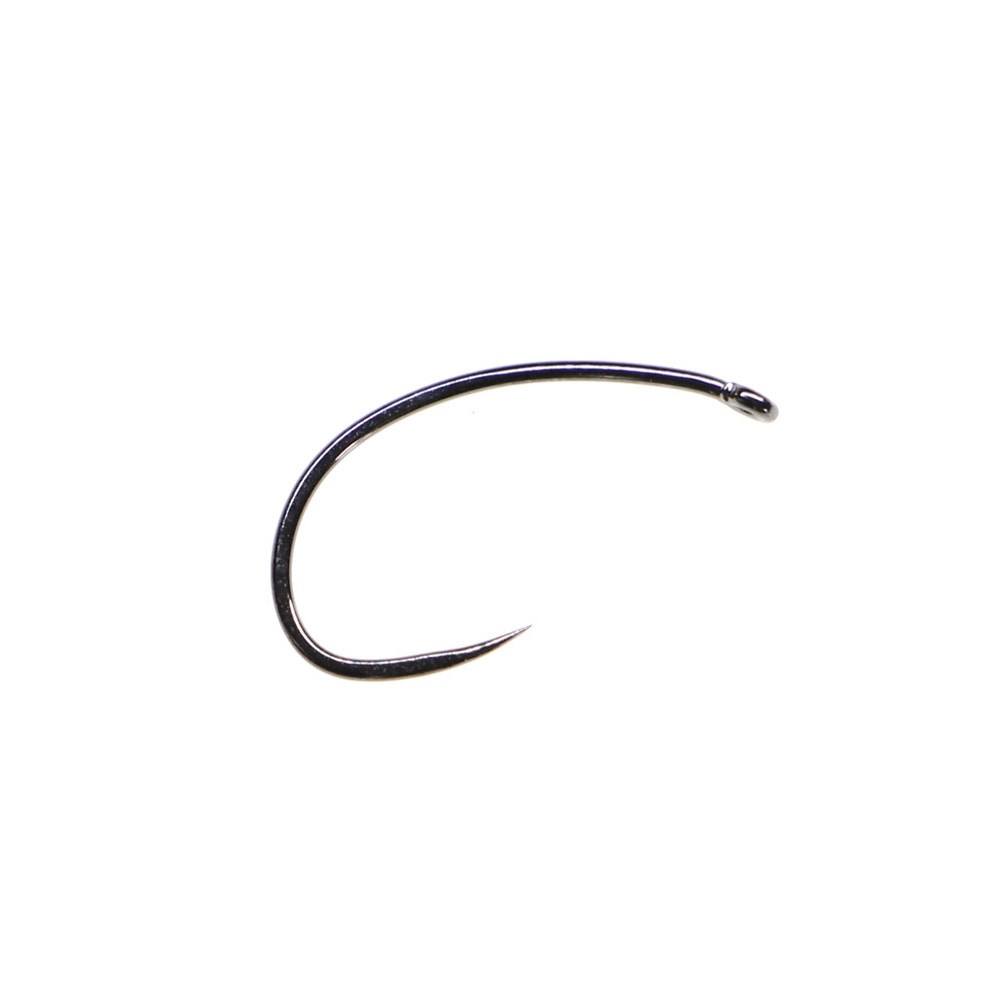
The GP103 is a barbless, spade-end pattern supplied as 10 loose hooks. There’s no attached line determining your hooklength diameter or length. That freedom is its main practical attraction: you can prepare different hooklengths around the same pattern and label them properly, rather than try to remember what you tied three weekends ago.
The advertised 12–24 range covers a useful spread of bait sizes. Smaller options are pitched at maggots, casters and bloodworm; larger ones at breadflake, worms and corn. We’re not putting numbers on wire thickness, hook weight or strength because those details aren’t established here. Nor does an ultra-sharp point description tell you how long that point will last after repeated contact with gravel.
Worth knowing. Spade-end hooks need a suitable spade-end knot, not an eyed-hook knot. Practise with a size you can comfortably handle, check how the line sits against the spade and pull-test the finished hooklength before it goes in the box.
Finding its place
Who it suits: bait anglers who enjoy sorting their own rigs
If your fishing switches between small natural baits and bigger offerings of bread, worm or corn, the GP103 range is worth a look. You don’t need every size. Start with the bait combinations you actually use, then add options if there’s a genuine gap. A clearly labelled hooklength box is far more useful than a pocket full of packets bought just in case.
It also suits anglers who need barbless hooks under their venue’s rules. Still check the full rules before fishing: barbless alone doesn’t settle restrictions on hook size or other tackle. While playing a fish, keep controlled contact and let the rod cushion sudden lunges rather than cranking everything tight. That’s sound practice, not a promise that any hook can prevent every lost fish.
It’s less appealing if you want a ready-tied replacement in seconds or struggle with fine knot work. And if the plan is heavy tackle around snags, choose a pattern with clearly established strength for that situation. Matching the hook to the job beats asking an everyday all-rounder to do something its description doesn’t support.
The useful details
FAQs in full: tying, bait choice and keeping points tidy
Are they ready tied? No. These are 10 loose, barbless hooks per packet, with a spade rather than an eye. You’ll need suitable hooklength material and a reliable tying method. Preparing spares before the session means a damaged point or tangled hooklength doesn’t turn into a lengthy bankside faff.
Which bait goes with which size? The guidance is smaller sizes for maggots, casters and bloodworm, and larger sizes for breadflake, worms and corn. There isn’t one magic size for each bait. A single maggot and a bunch of maggots are different presentations, just as a little worm section and a bulky offering need different consideration. Check point clearance once the bait is on.
Can you forget about rust because the tip is corrosion-resistant? Definitely not. Keep unused hooks dry and don’t mix damp tackle into a fresh packet. Inspect used hooks for damaged points, distortion or corrosion, and replace anything doubtful. Saving one hook isn’t much of a bargain if it leaves you questioning the rig every time the float dips.
On paper
Pros & cons
What we like
- Broad advertised size range for a useful spread of coarse-fishing baits.
- Loose format gives you control over hooklength material and length.
- Barbless design suits venues where barbless hooks are required.
- Advertised ultra-sharp point and corrosion-resistant tip.
Worth knowing
- Spade-end tying takes practice, especially with the smallest sizes.
- You’ll need separate hooklength material and time to prepare rigs.
- No verified wire gauge or strength rating here to support heavy-duty carp use.
Want one?
Add it to your Wanted list or join a Group Buy — shops see anonymous totals only.
Your questions answered
What anglers want to know
The stuff you’d ask your mate on the next peg. Straight answers, no waffle.
01Are these hooks barbless and already tied to line?
Are these hooks barbless and already tied to line?
They’re barbless, but they aren’t tied to line. Each packet contains 10 loose spade-end GP103 hooks, ready for you to tie your own hooklengths.
02Which baits suit the GP103?
Which baits suit the GP103?
Smaller sizes are described as suitable for maggots, casters and bloodworm. Larger sizes suit breadflake, worms and corn. Match the actual hook to the bait’s bulk and keep the point clear.
03Does the corrosion-resistant tip mean they can be stored wet?
Does the corrosion-resistant tip mean they can be stored wet?
No, mate. Corrosion resistance isn’t rust-proofing. Keep unused hooks dry, separate wet tackle from fresh packets and replace any hook with a damaged or suspect point.
What anglers say
The word from the bank
Our read: a useful pattern if you tie your own. The strongest reasons to choose it are broad advertised size range for a useful spread of coarse-fishing baits. and loose format gives you control over hooklength material and length.; the main trade-off is spade-end tying takes practice, especially with the smallest sizes..
Our take on the feedback
Why it appeals
Checked Sept '26 — “Broad advertised size range for a useful spread of coarse-fishing baits.”
Best fit
Checked Sept '26 — “Coarse anglers who tie their own hooklengths: You can pair the GP103 with your preferred hooklength material and prepare lengths for different rigs.”
Worth knowing
Checked Sept '26 — “Spade-end tying takes practice, especially with the smallest sizes.”
Tackle Index’s take from the product details and fishing fit we checked. We haven’t found enough independent public feedback to call this an angler consensus yet.
Angler score
What our readers rate Daiwa Gamakatsu G-Point All Round Coarse Hooks
No angler score yet — nobody's reviewed Daiwa Gamakatsu G-Point All Round Coarse Hooks here. Be the first and get the score started.
Owner reports
Own this? Help the next angler.
Quick multiple-choice reports from people who say they own the Daiwa Gamakatsu G-Point All Round Coarse Hooks. Not verified purchases, and kept separate from our score.
No owner reports yet.
Alternatives & go-withs