Photos: Daiwa · supplied retailer imagery
Rods · Sea bass lure rods · Our take
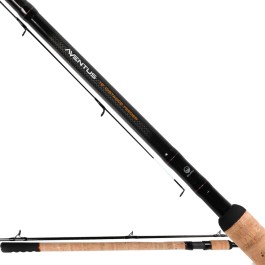
Daiwa Legalis Seabass Rods
8ft 6in and 9ft: 10–35g; 10ft: 14–56g
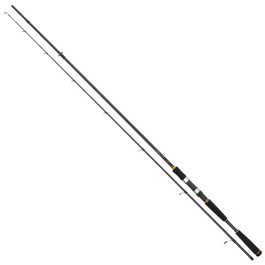
Three shore-lure options, reinforced carbon blanks and Fuji fittings. The trick is matching the Legalis to your lures and marks rather than buying extra rod you don’t need.
- 8ft 6in and 9ft models both have a 10–35g casting rating.
- The 10ft model has a 14–56g casting rating.
- High-modulus carbon blank with crossed-carbon reinforcement along its full length.
- Progressive action, Fuji guide fittings, Fuji DPS pipe reel seat and high-density EVA handle.
Make sure it’s the right one. This review covers the three Legalis Seabass models listed here, not other Daiwa Legalis rod ranges. We haven’t tested them on the bank or coast.
Tackle Index Score
Tackle Index score
Provisional feature-based scores, not hands-on ratings. Balance, casting feel and long-term durability remain untested; value depends on the price you’re offered.
- Product Quality8.8/10
- Performance8.6/10
- Impact on Fish Catching7.9/10
- Ease of Use8.6/10
- Value for Money8.3/10
If you buy through our links, we might get a small kickback, but it won’t cost you a penny extra. As an Amazon Associate I earn from qualifying purchases. The full story
Who it suits
Is it right for you?
Great for
- Shore anglers choosing a dedicated bass lure rod. The three options let you match rod length and casting range to your usual lures and shoreline.
- Carp and coarse anglers branching into coastal lure fishing. It offers a purpose-built alternative to pressing an unsuitable freshwater bait rod into service.
Maybe skip if
- Light-rock-fishing enthusiasts. Tiny jigheads and micro lures sit below the intended casting ranges.
- Anglers after a beach bait rod. These are lure rods, not substitutes for tackle designed to cast heavy leads and baited rigs.
The lowdown
Introducing the Daiwa Legalis Seabass Rods
Three shore-lure options, reinforced carbon blanks and Fuji fittings. The trick is matching the Legalis to your lures and marks rather than buying extra rod you don’t need.
- 8ft 6in and 9ft models both have a 10–35g casting rating.
- The 10ft model has a 14–56g casting rating.
- High-modulus carbon blank with crossed-carbon reinforcement along its full length.
- Progressive action, Fuji guide fittings, Fuji DPS pipe reel seat and high-density EVA handle.
Quick verdict
A sensible shortlist for shore lure fishing
The Legalis Seabass range looks a tidy proposition if you want a dedicated bass lure rod with a reinforced carbon blank, progressive action and recognisable Fuji fittings. The two 10–35g versions cover lighter lure work; the 10ft model steps up to 14–56g.
Choose around your usual lure weight and the space at your marks, mate. The longest version isn’t automatically the best, and without fishing these rods we can’t promise casting distance, bite feedback or all-day comfort.
Provisional feature-based scores, not hands-on ratings. Balance, casting feel and long-term durability remain untested; value depends on the price you’re offered.
- Product Quality
- 8.8/10
- Performance
- 8.6/10
- Impact on Fish Catching
- 7.9/10
- Ease of Use
- 8.6/10
- Value for Money
- 8.3/10
The reinforced high-modulus carbon blank and Fuji fittings make a promising package, though finishing and durability haven’t been checked hands-on.
The progressive action and choice of casting ranges look useful for shore lure work, without proving distance or sensitivity.
Matching the model to your lures should help presentation, but location, conditions and retrieve choices still do the heavy lifting.
Clear casting ranges make selection straightforward, although the 10ft option needs appropriate space and handling.
The confirmed components support a cautiously positive value judgement, but a verified selling price is needed for a firm verdict.
Head to head
How it stacks up
Side by side with the closest kit we've reviewed. This updates as we add more reviews.
Daiwa
Daiwa Legalis Seabass Rods (this one)

Top scorer
Scores are our own, out of 10. Best in each row is in green. Prices change, so check the latest before you buy.
The full rundown
Everything you'll want to know about the Daiwa Legalis Seabass Rods
If you spend most weekends watching bobbins, bass lure fishing can feel like a proper change of pace. No barrow piled with bait, no waiting for the rods to go off: you’re moving, casting and looking for feeding fish. The Daiwa Legalis Seabass range is built for that lure-fishing job. It gives you three options here, with different lengths and two casting ranges. That matters more than simply grabbing the longest one and hoping it’ll cover every bit of coast you fancy visiting.
Let’s get the honest bit out of the way first. We haven’t fished these rods, so there’s no tale about a dawn raid, a screaming take or a stunner landed first chuck. What we can do is look at the confirmed build and explain where each model makes sense. There’s a high-modulus carbon blank, crossed-carbon reinforcement running its full length, a progressive action and Fuji fittings. That’s a useful starting point, but it doesn’t tell us exactly how lively the tip feels with your favourite lure attached.
The 8ft 6in model carries a 10–35g casting rating. On paper, that makes it a sensible option for anglers whose lure box sits comfortably within that range and who don’t want unnecessary length. Think about the actual casting space at your marks, not just the water in front of you. A shorter rod can be less of a faff when you’re threading through access paths or making casts from confined positions. It isn’t a tiny rod, mind, and you still need room for a safe cast.
The 9ft version shares exactly the same 10–35g rating. You’re getting more length, not a higher permitted lure weight. That extra reach may be handy for steering line around the near edge or adjusting your rod-tip position during a retrieve. Whether it feels better than the 8ft 6in model is personal, though. If you can handle both with a suitable reel fitted, do it. A rod that feels bob on for one angler can feel unnecessarily long to another, especially over a session of repeated casting.
Then there’s the 10ft model, rated at 14–56g. This is the meaningful step up for heavier lure work, rather than merely another length of the same thing. It’s the one to consider if your regular lures are beyond the lighter models’ range and your marks give you room to use it. Don’t mistake that for a promise of effortless distance. Casting technique, lure shape, line and wind all have a say. Nor is a longer, heavier-rated rod automatically a better tool for working modest plugs close in.
The progressive action is another feature worth understanding before you buy. Broadly, that description suggests a blank that brings more of its length into play as the load increases. For lure fishing, that can be appealing when casting and when cushioning a hooked fish’s changes of direction. It doesn’t mean the rod is floppy, and it doesn’t reveal its precise recovery speed either. Likewise, the full-length crossed-carbon reinforcement is a welcome construction detail, not permission to high-stick a fish or lift it up a wall on the rod.
The fittings are straightforward: Fuji Concept O ring guides, Fuji Lowrider intermediate guides, a Fuji DPS pipe reel seat and a high-density EVA foam handle. Those are recognisable components rather than vague promises about premium everything. The practical question is still how the complete outfit feels in your hands. Match the reel for comfortable balance, check your leader knot passes cleanly through the guides, and give the rod a gentle freshwater rinse after saltwater use. A bit of care beats letting salt crust around the guide frames between trips.
For carp and coarse anglers dipping a toe into coastal lure fishing, the biggest buying tip is simple: build the outfit around the fishing you’ll actually do. Count the whole lure’s weight, including the jighead and plastic, rather than guessing from one component. Choose a length you can manage at your regular marks, and leave the heavy bait rigs to a suitable rod. The Legalis Seabass has a clear role and a sensible spread of options. Pick the version that fits that role for you, not the one that merely looks beefiest.
Specifications
The nuts and bolts
- 8ft 6in model
- 10–35g casting weight; LEGSB862HMHFS-AF
- 9ft model
- 10–35g casting weight; LEGSB902HMHFS-AF
- 10ft model
- 14–56g casting weight; LEGSB1002HXHFS-AF
- Blank and action
- High-modulus carbon; full-length crossed-carbon reinforcement; progressive action
- Guides
- Fuji Concept O ring guides and Fuji Lowrider intermediate guides
- Seat and handle
- Fuji DPS pipe reel seat; high-density EVA foam handle
Specs checked with Daiwa, Oct 2026.
Spot a model or spec change?
Our take
Same family, two different lure-weight jobs
The 8ft 6in and 9ft rods share a 10–35g casting range, so that choice is mainly about length and handling. Moving to the 10ft version also means moving to a heavier 14–56g range.
For an angler taking a break from carp or coarse fishing, this is dedicated lure kit rather than a spare rod for chucking feeders or fishing static sea baits.
Build and features
Closer look: a dedicated lure-fishing outfit starts here
The confirmed construction combines high-modulus carbon with crossed-carbon reinforcement along the full blank. That’s an encouraging build feature, but it doesn’t let us put a figure on strength or promise a particular feel. Treat the progressive action as a guide to the rod’s loading behaviour, not a substitute for having a waggle with your reel fitted.
Fuji Concept O ring guides and Lowrider intermediate guides handle the line path, while the DPS pipe reel seat secures the reel. The high-density EVA handle rounds off a practical-looking package. Check comfort around the reel seat as well as the grip: repeated casting and retrieving soon makes small ergonomic niggles more noticeable.
Worth knowing. Casting ratings refer to the complete load you’re casting. A jighead plus a chunky soft plastic weighs more than the number stamped on the head. Stay within the chosen rod’s range and avoid treating its upper limit as a target for every cast.
Picking your model
Who it suits: match the rod to the mark
If your normal lure selection falls within 10–35g, start with the 8ft 6in and 9ft versions. The shorter option may be easier to manage where space is awkward; the longer one offers a little more reach. Neither gets a free pass as the better caster without knowing the lure, outfit and angler.
The 10ft, 14–56g model makes more sense for heavier lure choices and open marks where its length is useful. It’s less compelling if most of your fishing involves lighter presentations and tight access. Buying extra capacity just in case can leave you with more rod than you enjoy using.
Coming across from freshwater fishing? Keep the role clear. This isn’t a feeder rod or a beachcaster, and it won’t replace either just because the casting weights happen to overlap with something in your tackle shed. It’s aimed at anglers actively presenting lures for bass.
Before you buy
FAQs in full: the practical bits
Which length should you buy? Sort the casting range first, then the length. The 8ft 6in and 9ft rods are both 10–35g options, while the 10ft rod covers 14–56g. Your regular lure weights and available casting space are better buying guides than chasing the longest rod on the rack.
Does the jighead count towards casting weight? Absolutely. Add the plastic and any other attached weight too. A quick check on small scales is dead handy if you build your own lure combinations, particularly when they’re approaching the top end of the rod’s rating.
Have we tested them? No, so we’re not claiming measured casting performance, proven durability or extra fish. The scores below are provisional judgements of the confirmed features and intended role. Value is especially dependent on the actual asking price, which we haven’t verified here.
On paper
Pros & cons
What we like
- Useful choice between two lighter-rated lengths and a longer, heavier-rated model.
- Full-length crossed-carbon reinforcement is a welcome construction feature.
- Fuji guides and DPS reel seat give the fittings a reassuring starting point.
- Progressive action should suit anglers who prefer the rod to load rather than feel brutally stiff.
Worth knowing
- None of these models is aimed at genuinely light, sub-10g lure fishing.
- The 10ft version could be cumbersome around tight access and restricted casting space.
- No hands-on verdict here on balance, tip recovery or sensitivity.
Want one?
Add it to your Wanted list or join a Group Buy — shops see anonymous totals only.
Your questions answered
What anglers want to know
The stuff you’d ask your mate on the next peg. Straight answers, no waffle.
01Which Legalis Seabass length should I choose?
Which Legalis Seabass length should I choose?
Start with your lures. Both the 8ft 6in and 9ft versions cover 10–35g; pick between them around handling and reach. Choose the 10ft, 14–56g version when your fishing genuinely calls for the heavier range and extra length.
02Does casting weight include the jighead?
Does casting weight include the jighead?
Yes. Count the complete lure assembly, including the soft plastic, jighead and any added weight. Don’t judge the load from the jighead label alone.
03Have you tested these rods?
Have you tested these rods?
No. This is an informed look at the confirmed features and intended uses, not a hands-on report or a claim about catches.
What anglers say
The word from the bank
Our read: a sensible shortlist for shore lure fishing. The strongest reasons to choose it are useful choice between two lighter-rated lengths and a longer, heavier-rated model. and full-length crossed-carbon reinforcement is a welcome construction feature.; the main trade-off is none of these models is aimed at genuinely light, sub-10g lure fishing..
Our take on the feedback
Why it appeals
Checked Sept '26 — “Useful choice between two lighter-rated lengths and a longer, heavier-rated model.”
Best fit
Checked Sept '26 — “Shore anglers choosing a dedicated bass lure rod: The three options let you match rod length and casting range to your usual lures and shoreline.”
Worth knowing
Checked Sept '26 — “None of these models is aimed at genuinely light, sub-10g lure fishing.”
Tackle Index’s take from the product details and fishing fit we checked. We haven’t found enough independent public feedback to call this an angler consensus yet.
Angler score
What our readers rate Daiwa Legalis Seabass Rods
No angler score yet — nobody's reviewed Daiwa Legalis Seabass Rods here. Be the first and get the score started.
Owner reports
Own this? Help the next angler.
Quick multiple-choice reports from people who say they own the Daiwa Legalis Seabass Rods. Not verified purchases, and kept separate from our score.
No owner reports yet.
Alternatives & go-withs