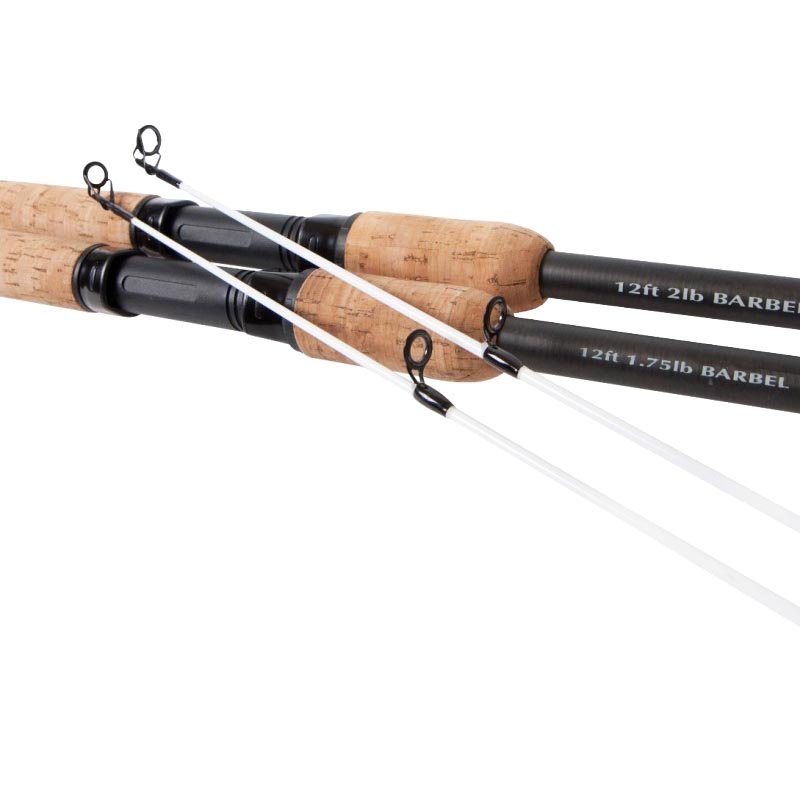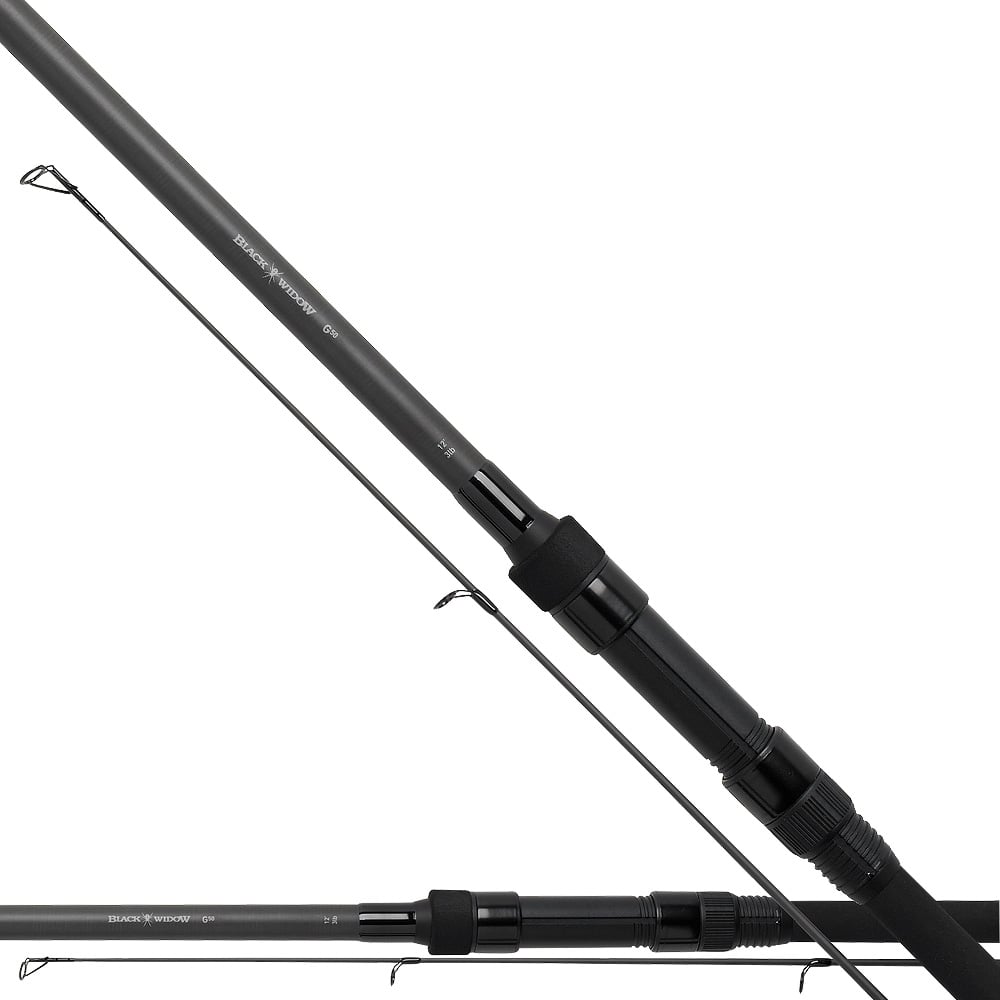
Photos: Daiwa · supplied retailer imagery
Coarse & match · Feeder rods · Our take
Daiwa Matchman Feeder Rod
Range overview · 7ft to 12ft
Six lengths, sensible fittings and a proper coarse-fishing brief. The Matchman range covers plenty of feeder work, but choosing the right model matters more than grabbing the longest one.
- Six lengths: 7ft, 8ft, 9ft, 10ft, 11ft and 12ft.
- Casting ratings run from 30g to 60g, depending on model.
- HMC carbon blanks with X-WRAP reinforcement.
- Every model includes 1oz and 1.5oz carbon quiver tips.
Make sure it’s the right one. This review covers all six Matchman Feeder models. Rod weights and casting ratings vary by length; the recommended 3–10lb lines and supplied 1oz and 1.5oz carbon tips apply across the range.
Tackle Index Score
Tackle Index score
A useful, straightforward feeder range whose strongest selling point is the choice of lengths and casting ratings for everyday coarse fishing.
- Product Quality8.8/10
- Performance8.6/10
- Impact on Fish Catching8/10
- Ease of Use9/10
- Value for Money8.6/10
If you buy through our links, we might get a small kickback, but it won’t cost you a penny extra. As an Amazon Associate I earn from qualifying purchases. The full story
Who it suits
Is it right for you?
Great for
- Commercial fishery anglers. The shorter lengths are handy for modest-distance feeder work, provided the loaded feeder stays within the rod’s rating.
- General coarse anglers choosing a venue-specific rod. Six lengths let you match reach and casting allowance to the swims you actually fish.
Maybe skip if
- Heavy river-feeder anglers. A maximum 60g casting rating leaves limited room for feeders loaded with bait when strong flow demands plenty of lead.
- Anglers wanting a broad tip selection straight away. Only 1oz and 1.5oz carbon tips are supplied, rather than a wider spread for very different conditions.
The lowdown
Introducing the Daiwa Matchman Feeder Rod
Six lengths, sensible fittings and a proper coarse-fishing brief. The Matchman range covers plenty of feeder work, but choosing the right model matters more than grabbing the longest one.
- Six lengths: 7ft, 8ft, 9ft, 10ft, 11ft and 12ft.
- Casting ratings run from 30g to 60g, depending on model.
- HMC carbon blanks with X-WRAP reinforcement.
- Every model includes 1oz and 1.5oz carbon quiver tips.
Quick verdict
A sensible feeder range, with a clear job for each length
The Matchman makes sense if you want a straightforward coarse feeder rod with useful fittings rather than unnecessary fuss. HMC carbon, X-WRAP reinforcement and two carbon tips give it a solid on-paper package.
Choose around your usual swim and loaded feeder weight. The short models suit compact, close-range work; the longer versions give you more reach and casting allowance. None is a licence to launch heavy feeders.
A useful, straightforward feeder range whose strongest selling point is the choice of lengths and casting ratings for everyday coarse fishing.
- Product Quality
- 8.8/10
- Performance
- 8.6/10
- Impact on Fish Catching
- 8/10
- Ease of Use
- 9/10
- Value for Money
- 8.6/10
The reinforced carbon blank and practical handle and guide fittings make a well-rounded build package.
The model spread covers useful feeder applications, although the casting ceilings rule out heavier work.
Choosing the right length and tip can help presentation and bite reading, but feeding and location remain the bigger factors.
Clear model ratings, two supplied tips and practical fittings keep the setup straightforward.
The included tips and useful fittings make a sensible value package, provided you buy the model that suits your regular fishing.
Head to head
How it stacks up
Side by side with the closest kit we've reviewed. This updates as we add more reviews.
Daiwa
Daiwa Matchman Feeder Rod (this one)

Top scorer
Scores are our own, out of 10. Best in each row is in green. Prices change, so check the latest before you buy.
The full rundown
Everything you'll want to know about the Daiwa Matchman Feeder Rod
The Daiwa Matchman Feeder Rod is a range you want to choose with your usual swim in mind. Not the biggest fish in your camera roll, and not whichever length sounds most impressive. There are six models, running from a little 7-footer to a full 12ft rod, and they don’t all do the same job. For coarse and match fishing, that’s dead handy. You can look at the water in front of you, think about the feeder you need, then buy something that fits rather than making do.
At the compact end, the 7ft, 8ft and 9ft models all have a 30g casting rating. That’s the first detail to get straight, because a longer rod in this trio doesn’t mean you can chuck a heavier feeder. These are the lengths to consider for close-in work, smaller commercial pools and swims where a long rod becomes a bit of a faff. A short rod can make handling the tackle easier in a cramped peg, though you still need enough reach to clear bankside cover and guide fish into the net.
Move to the 10ft and the casting rating rises to 40g. The 11ft is rated to 50g, while the 12ft reaches 60g. Those steps give you a clearer reason to move up the range than length alone. If your regular feeder setup is too much for a 30g rod, the answer isn’t to give it a gentler lob and hope. Pick the appropriate model. Equally, don’t assume the 12-footer is a heavy river tool just because it’s long. Its 60g ceiling still needs respecting when bait goes into the feeder.
That loaded weight is particularly important if you’re thinking about Method fishing. A feeder’s marked weight doesn’t account for the whole helping of damp pellets or groundbait you’ve squeezed around it. It’s easy to overlook that when you’re keen to get clipped up and feeding a spot. Leave sensible headroom, use a smooth casting stroke and match the setup to the rod. The same thinking applies to cage feeders full of feed. A quick weigh of a typical loaded feeder at home can save plenty of guesswork on the bank.
The blank construction is HMC carbon with Daiwa’s X-WRAP reinforcement. Alongside that, you get stainless-steel guides with ceramic inserts, which keeps the build firmly in familiar coarse-rod territory. There’s no need to turn those names into promises about extra yards or fish magically staying hooked. The useful point is that this is a carbon feeder range with reinforcement and conventional lined guides. Your casting rhythm, rig choice and how you play a fish still matter rather more than a smart-sounding badge on the blank. Keep those basics bob on.
The handle arrangement is nicely focused on the job, too. There’s an EVA reel-locking foregrip, a downlocking reel seat and a hybrid cork and EVA rear Armlock grip. That gives you a shaped rear grip to brace against your forearm rather than treating the handle as an afterthought. A hook holder is fitted as well. Small thing, but useful when securing the hook between spells of fishing. Just take the tension off before moving or packing away; there’s no prize for leaving a feeder swinging about against the blank.
Every model comes with two carbon quiver tips, rated at 1oz and 1.5oz, and a recommended line range of 3–10lb. Those tip figures aren’t casting weights, mate. They describe tip strength, so fitting the 1.5oz tip doesn’t increase what the rod can safely cast. Choose between them around tow, wind and the tension needed to hold your setup steady. You want a readable tip, not one dragged right round before a fish even looks at the bait. For very delicate work, remember there’s no lighter tip included in the package.
So where does the Matchman land? As a sensible shortlist option for anglers who know roughly what sort of feeder fishing they want to do. The shorter rods offer compact handling; the longer ones add reach and progressively more casting allowance. What they don’t offer is one universal answer for every venue. Balance your reel sensibly, stay within the line and casting guidance, and spend the saved head-scratching on finding the right spot. That’s a much better starting point than buying too much rod and hoping the fish will appreciate it.
Specifications
The nuts and bolts
- Short models: rod weight / casting rating
- 7ft: 125g / 30g; 8ft: 145g / 30g; 9ft: 185g / 30g
- Longer models: rod weight / casting rating
- 10ft: 200g / 40g; 11ft: 210g / 50g; 12ft: 245g / 60g
- Recommended lines
- 3–10lb across all six models
- Blank and guides
- HMC carbon with X-WRAP reinforcement; stainless-steel guides with ceramic inserts
- Handle and fittings
- EVA reel-locking foregrip, downlocking reel seat, hybrid cork/EVA rear Armlock grip and hook holder
- Included quiver tips
- Two carbon tips: 1oz and 1.5oz
Specs checked with Daiwa, Oct 2026.
Spot a model or spec change?
Our take
Buy for your swim
The 7ft, 8ft and 9ft rods all carry a 30g casting rating. Going longer within that trio buys length, not extra casting capacity.
The rating steps up to 40g at 10ft, 50g at 11ft and 60g at 12ft. That progression is the useful bit when matching a rod to your feeders.
The tackle
Closer look: a practical build, with meaningful model differences
The shared build includes HMC carbon, X-WRAP reinforcement and stainless-steel guides with ceramic inserts. The reel is secured by a downlocking seat with an EVA reel-locking foregrip, while the cork/EVA Armlock rear grip gives you a defined area to brace against your arm.
Rod weight rises from 125g on the 7ft model to 245g on the 12ft. Don’t judge balance from those figures alone: reel choice and how much rod sits forward of your hand matter too. Choose length for the fishing first, rather than chasing the lowest number.
Worth knowing. A 30g feeder with bait added weighs more than 30g. Count the complete casting load, and remember that changing quiver tips doesn’t raise the blank’s casting rating.
Your fishing
Who it suits: match the rod to the peg
For a small commercial with modest casts and light feeders, the 7–9ft models deserve a look. Choose between them according to working room and the reach you need when playing and netting fish. Shorter isn’t automatically better if you’ve got a shelf or vegetation to clear.
The 10–12ft options are more relevant when you want extra reach or a higher casting allowance. They’re worth considering for broader stillwater feeder work and suitable lighter river setups, but flow and loaded feeder weight decide suitability—not the venue label.
If your usual fishing involves big loaded feeders, strong current or tackling fish close to serious snags, don’t stretch the Matchman’s brief. Buy tackle with the right headroom. A bargain stops looking clever when it’s being asked to do the wrong job.
Quick answers
FAQs in full: lengths, Method feeders and tips
Which length makes sense? Work backwards from your regular loaded feeder, then consider distance, bankside room and netting reach. The 7ft, 8ft and 9ft models share a 30g rating; the 10ft, 11ft and 12ft step up to 40g, 50g and 60g. There’s no single best length for everyone.
Can it fish a Method feeder? Yes, if the complete setup sits comfortably within the chosen model’s casting rating. Keep the loading consistent rather than making each cast a bigger helping. On a commercial, check the fishery’s rig and hooklength rules before you get settled.
What comes with it, and which line should you use? Both supplied tips are carbon, in 1oz and 1.5oz strengths. The recommended line range is 3–10lb throughout. Pick line around the fish, obstacles and venue rules, then set the clutch sensibly; the top end of that range isn’t a reason to bully every fish.
On paper
Pros & cons
What we like
- A useful spread of lengths for different swims and feeder jobs.
- Clear casting-rating progression on the 10ft, 11ft and 12ft models.
- Practical handle setup with cork, EVA and an Armlock rear grip.
- Two carbon tips and a fitted hook holder keep the package straightforward.
Worth knowing
- The 30g ceiling on all three shortest models needs care with loaded feeders.
- The supplied tips offer only two strengths; no lighter option is included.
- Even the 12ft model tops out at 60g, limiting heavy-feeder applications.
Want one?
Add it to your Wanted list or join a Group Buy — shops see anonymous totals only.
Your questions answered
What anglers want to know
The stuff you’d ask your mate on the next peg. Straight answers, no waffle.
01Which Matchman Feeder length should I choose?
Which Matchman Feeder length should I choose?
Start with your swim and loaded feeder weight. The 7–9ft models are compact options rated to 30g; the 10ft, 11ft and 12ft versions step up to 40g, 50g and 60g respectively.
02Can I use it for Method feeder fishing?
Can I use it for Method feeder fishing?
Yes, with a suitably light setup. Allow for the weight of pellets or groundbait as well as the feeder itself, especially on the 30g-rated models.
03What tips and line ratings does it come with?
What tips and line ratings does it come with?
Each model includes 1oz and 1.5oz carbon quiver tips and has a recommended line range of 3–10lb. Tip ratings describe their strength, not the rod’s casting limit.
What anglers say
The word from the bank
Our read: a sensible feeder range, with a clear job for each length. The strongest reasons to choose it are a useful spread of lengths for different swims and feeder jobs. and clear casting-rating progression on the 10ft, 11ft and 12ft models.; the main trade-off is the 30g ceiling on all three shortest models needs care with loaded feeders..
Our take on the feedback
Why it appeals
Checked Sept '26 — “A useful spread of lengths for different swims and feeder jobs.”
Best fit
Checked Sept '26 — “Commercial fishery anglers: The shorter lengths are handy for modest-distance feeder work, provided the loaded feeder stays within the rod’s rating.”
Worth knowing
Checked Sept '26 — “The 30g ceiling on all three shortest models needs care with loaded feeders.”
Tackle Index’s take from the product details and fishing fit we checked. We haven’t found enough independent public feedback to call this an angler consensus yet.
Angler score
What our readers rate Daiwa Matchman Feeder Rod
No angler score yet — nobody's reviewed Daiwa Matchman Feeder Rod here. Be the first and get the score started.
Owner reports
Own this? Help the next angler.
Quick multiple-choice reports from people who say they own the Daiwa Matchman Feeder Rod. Not verified purchases, and kept separate from our score.
No owner reports yet.
Alternatives & go-withs