Photos: Daiwa · supplied retailer imagery
Mainline · Feeder mono · Our take
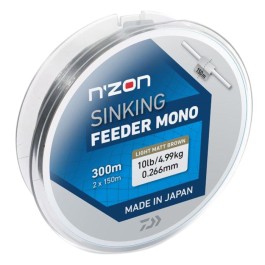
Daiwa N'ZON Sinking Feeder Mono
300m spool · 4lb–10lb options
Sinking nylon, a low-glare brown finish and a halfway marker for splitting the spool. N’ZON covers the feeder-fishing basics without making a song and dance about it.
- Nylon monofilament designed to sink for feeder fishing.
- 300m spool with a marker at 150m.
- Light Matt Brown colour with a low-glare finish.
- Made in Japan; available in listed strengths from 4lb to 10lb.
Make sure it’s the right one. This is Daiwa’s N’ZON Sinking Feeder Mono, the Japanese-made nylon mainline. We haven’t tested it on the bank; this review looks at its confirmed features and intended use.
Tackle Index Score
Tackle Index score
Provisional feature-based scores, not bank-test results. Value remains tentative without a confirmed selling price.
- Product Quality8.5/10
- Performance8.4/10
- Impact on Fish Catching7.8/10
- Ease of Use8.9/10
- Value for Money8/10
If you buy through our links, we might get a small kickback, but it won’t cost you a penny extra. As an Amazon Associate I earn from qualifying purchases. The full story
Who it suits
Is it right for you?
Great for
- Everyday stillwater feeder anglers. The sinking nylon design fits conventional feeder fishing where managing surface bow matters.
- Anglers filling two suitable feeder spools. The halfway marker gives you two measured 150m lengths, with backing adjusted to suit each reel.
Maybe skip if
- Long-range anglers prioritising direct bite feedback. A suitable braid setup offers less stretch, where fishery rules allow it.
- Anglers needing heavy-duty snag or big-feeder tackle. The listed range stops at 10lb; suitability depends on casting load, obstacles and the complete setup.
The lowdown
Introducing the Daiwa N'ZON Sinking Feeder Mono
Sinking nylon, a low-glare brown finish and a halfway marker for splitting the spool. N’ZON covers the feeder-fishing basics without making a song and dance about it.
- Nylon monofilament designed to sink for feeder fishing.
- 300m spool with a marker at 150m.
- Light Matt Brown colour with a low-glare finish.
- Made in Japan; available in listed strengths from 4lb to 10lb.
Quick verdict
A sensible feeder option, without the fancy promises
N’ZON has a useful mix for everyday feeder work: a sinking design, several strength options and a 300m spool with a 150m marker. It’s a sensible shortlist choice if you want nylon rather than braid.
The missing piece is hands-on proof of how quickly it sinks, how it behaves after repeated sessions and how its knots hold. Daiwa’s claims sound encouraging, but they aren’t a substitute for bank time.
Provisional feature-based scores, not bank-test results. Value remains tentative without a confirmed selling price.
- Product Quality
- 8.5/10
- Performance
- 8.4/10
- Impact on Fish Catching
- 7.8/10
- Ease of Use
- 8.9/10
- Value for Money
- 8/10
The confirmed construction and practical finish look suitable for the job, though durability and knot-strength claims remain untested here.
The sinking design fits feeder fishing well, but actual sinking speed and reel behaviour need hands-on verification.
Better line control can support presentation and bite reading, without guaranteeing extra fish.
The halfway marker and clearly listed strength options make choosing and dividing the line straightforward.
Two usable 150m lengths offer practical utility, but the final value judgement depends on the selling price and your reel requirements.
Head to head
How it stacks up
Side by side with the closest kit we've reviewed. This updates as we add more reviews.
Daiwa
Daiwa N'ZON Sinking Feeder Mono (this one)
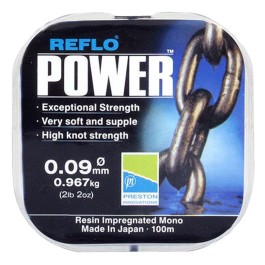
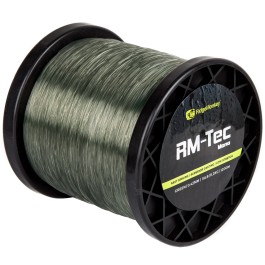
Top scorer
Scores are our own, out of 10. Best in each row is in green. Prices change, so check the latest before you buy.
The full rundown
Everything you'll want to know about the Daiwa N'ZON Sinking Feeder Mono
Feeder mainline isn’t the glamorous bit of the tackle bag, is it? Nobody’s leaning across the next peg to admire your fresh nylon. But when a floating bow keeps dragging at the quivertip, it suddenly becomes quite important. Daiwa N’ZON Sinking Feeder Mono is aimed squarely at that everyday job: connecting your feeder setup to the reel with a nylon line designed to sink. Nothing wildly complicated. Just a feeder-specific mainline with a few practical details that make sense when you’re getting ready for a session.
First, let’s keep things straight. We haven’t fished with this line, so there’s no tale about bagging up on a windswept reservoir or banking a cheeky double from the margins. The confirmed details are useful enough without dressing them up. You get Japanese-made nylon on a 300m spool, a marker halfway through and a Light Matt Brown, low-glare finish. Daiwa also describes it as highly supple, abrasion-resistant and durable, with superior knot strength. Those last points are manufacturer claims, rather than qualities we’ve put through their paces.
The sinking design is the main draw. In stillwater feeder fishing, getting the mainline beneath the surface helps reduce the influence of surface drift and makes it easier to establish a controlled connection to the feeder. That doesn’t mean every last inch will lie neatly along the lakebed, or that the tip will suddenly sit motionless in a hoolie. Depth, distance, wind and how you tighten up all matter. Still, a line built with sinking in mind is a logical starting point for the job.
There’s a little technique involved as well, mate. Once the feeder has settled, lowering the rod tip and carefully taking up slack can help get the line under without shifting your feeder off the spot. Don’t crank everything bar-tight just because you want a lovely bend in the tip. On soft bottoms or with lighter feeders, that can move the very thing you’ve clipped up to place accurately. N’ZON’s intended behaviour fits this routine, although we can’t tell you how quickly it sinks compared with another feeder mono.
The strength range gives you proper choices rather than one line trying to cover everything. The listed options run from 4lb at 0.16mm through to 10lb at 0.266mm, with 5lb, 6lb and 8lb in between. Think about feeder weight, casting effort, obstacles and the rod you’re using before picking one. A light open-water setup for smaller species asks different things of its mainline than regularly casting a loaded feeder for carp. Going finer can help with line resistance, but chasing thinness at the expense of a suitable setup is a false economy.
The spool arrangement is pleasantly straightforward. There’s 300m to work with and a marker at 150m, so you can divide it into two equal lengths without playing the guessing game. That’s dead handy for a pair of suitable reel spools or keeping a measured length aside for later. It doesn’t guarantee two perfectly filled reels, though. Capacity changes with line diameter, and some spools need backing underneath. Work out the required backing rather than leaving the spool badly underfilled or piling line right over the lip.
That matt brown colour is another sensible touch, provided you don’t expect magic. A low-glare finish avoids a shiny appearance, but brown isn’t automatically invisible over every bottom or in every light. Your rig, feeding and location still do the heavy lifting. Likewise, abrasion resistance shouldn’t tempt you to ignore damage. Check the working end after rough ground, a snag or a hard session, and cut back if it feels scuffed. Moisten knots, bed them down carefully and give them a firm check before the feeder goes flying.
The overall appeal is easy to understand: feeder-focused nylon with useful strength choices and sensible spool management. Mono also brings some cushioning to the setup, though its stretch is the trade-off if you want the direct feel of braid at distance. Without a confirmed selling price or bank testing, we wouldn’t crown it a bargain or a standout performer. But if you’re refreshing an everyday feeder reel and want a sinking nylon option, N’ZON deserves a place on the shortlist. Pick the right strength, spool it properly and keep expectations grounded.
Specifications
The nuts and bolts
- Line type
- Sinking nylon monofilament for feeder fishing
- Spool length
- 300m, with a 150m marker
- Colour
- Light Matt Brown, low-glare finish
- Lighter options
- 4lb / 0.16mm; 5lb / 0.18mm
- Heavier options
- 6lb / 0.208mm; 8lb / 0.235mm; 10lb / 0.266mm
- Country of manufacture
- Japan
Specs checked with Daiwa, Oct 2026.
Spot a model or spec change?
Our take
The useful bit is line control
A sinking mainline helps you get the line beneath surface drift rather than leaving a big bow pulling at the tip. That’s the practical attraction here, not the idea that brown line somehow guarantees more bites.
The halfway marker is dead handy too. Match your backing to the reel and you can split the spool into two measured 150m lengths instead of guessing.
What you’re buying
Closer look: feeder-focused nylon, not a miracle line
The core package is a 300m spool of sinking nylon with a low-glare brown finish. Daiwa’s claims of suppleness, durability and strong knots address exactly the things feeder anglers care about, but we can’t rank those qualities against rival lines without hands-on comparison.
Diameter matters alongside the breaking-strain label. The 6lb option is listed at 0.208mm and the 8lb at 0.235mm, for example. Use both figures when comparing options, while remembering that stated breaking strain alone doesn’t tell you how a finished knot will behave.
Worth knowing. The 150m marker measures line, not reel capacity. Check that 150m leaves enough working line for your distance and future cutbacks, then adjust the backing to get a sensible spool fill.
Finding its place
Who it suits: everyday feeder fishing with nylon
This is a natural option for anglers who prefer mono for conventional feeder work on stillwaters. Its sinking design is relevant whether you’re presenting a cage feeder for skimmers or choosing a suitable-strength setup for commercial carp. The name on the spool doesn’t choose the rig for you.
For long-range work where direct feedback is the priority, braid may be the better fit if permitted. Equally, heavy feeders and snaggy swims need a complete tackle rethink rather than simply selecting the strongest N’ZON option. Check rod limits, casting loads and any leader requirements.
A few bank-side questions
FAQs in full: sinking, spooling and choosing a strength
Is it fluorocarbon? No, it’s nylon mono. A sinking design doesn’t make the two materials interchangeable. There’s no verified sinking-time figure here, so we can’t promise it’ll drop beneath the surface faster than your current line.
Will it fill two reels? You have two 150m lengths available, but the answer depends on the reels. A shallow spool and a deep spool won’t need the same backing, and changing diameter changes capacity too. Plan the fill before winding it all on.
Which strength is best? There isn’t one universal winner. Start with the demands of the cast and the swim, then consider your target fish and balanced tackle. Don’t assume a lighter hooklength protects an undersized mainline during a hard cast; casting loads are a separate consideration.
On paper
Pros & cons
What we like
- Sinking design is well matched to feeder line control.
- 150m marker makes dividing the spool straightforward.
- Five listed strengths cover different feeder setups.
- Low-glare brown finish rather than a bright mainline.
Worth knowing
- Nylon stretch gives less direct feedback than braid at long range.
- A 150m fill won’t suit every reel or distance-fishing setup.
- Sinking speed and long-term wear haven’t been verified here.
Want one?
Add it to your Wanted list or join a Group Buy — shops see anonymous totals only.
Your questions answered
What anglers want to know
The stuff you’d ask your mate on the next peg. Straight answers, no waffle.
01Is N’ZON Sinking Feeder Mono nylon or fluorocarbon?
Is N’ZON Sinking Feeder Mono nylon or fluorocarbon?
It’s nylon monofilament designed to sink for feeder fishing, not fluorocarbon or braid.
02Can one spool fill two reels?
Can one spool fill two reels?
It provides two measured 150m lengths, thanks to the halfway marker. Whether those properly fill your reels depends on spool capacity, line diameter and backing.
03Which strength should I choose?
Which strength should I choose?
Match it to your rod, feeder weight, casting distance and swim. Lighter options can suit lighter feeder work in open water; heavier options offer more margin for demanding setups, but none should be chosen on fish size alone.
What anglers say
The word from the bank
Our read: a sensible feeder option, without the fancy promises. The strongest reasons to choose it are sinking design is well matched to feeder line control. and 150m marker makes dividing the spool straightforward.; the main trade-off is nylon stretch gives less direct feedback than braid at long range..
Our take on the feedback
Why it appeals
Checked Sept '26 — “Sinking design is well matched to feeder line control.”
Best fit
Checked Sept '26 — “Everyday stillwater feeder anglers: The sinking nylon design fits conventional feeder fishing where managing surface bow matters.”
Worth knowing
Checked Sept '26 — “Nylon stretch gives less direct feedback than braid at long range.”
Tackle Index’s take from the product details and fishing fit we checked. We haven’t found enough independent public feedback to call this an angler consensus yet.
Angler score
What our readers rate Daiwa N'ZON Sinking Feeder Mono
No angler score yet — nobody's reviewed Daiwa N'ZON Sinking Feeder Mono here. Be the first and get the score started.
Owner reports
Own this? Help the next angler.
Quick multiple-choice reports from people who say they own the Daiwa N'ZON Sinking Feeder Mono. Not verified purchases, and kept separate from our score.
No owner reports yet.
Alternatives & go-withs