Photos: Daiwa · supplied retailer imagery
Rods · Spinning rods · Our take
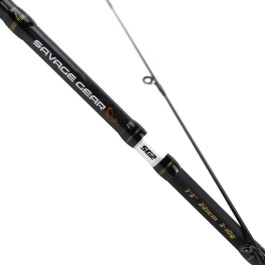
Daiwa Ninja Spin Rods
Range overview; individual models differ in length and casting weight
Carbon blanks, cork handles and a useful spread of lure ratings. The Ninja Spin range has plenty going for it, but choosing the right model matters more than the badge.
- Carbon blanks with a matt, low-glare finish.
- AAA-grade cork handle, EVA foregrip and EVA butt cap.
- Downlocking DPS reel seat and an included hook keeper.
- Confirmed options include 7ft/5–25g through to 10ft/20–60g models.
Make sure it’s the right one. This covers the Ninja Spin range with carbon blanks, cork handles and downlocking DPS reel seats described here. We haven't tested these rods on the bank.
Tackle Index Score
Tackle Index score
Provisional desk-based scores for the described build and intended use, not bank-test results. Value remains especially tentative without a confirmed selling price.
- Product Quality8.6/10
- Performance8.3/10
- Impact on Fish Catching7.7/10
- Ease of Use8.8/10
- Value for Money7.7/10
If you buy through our links, we might get a small kickback, but it won’t cost you a penny extra. As an Amazon Associate I earn from qualifying purchases. The full story
Who it suits
Is it right for you?
Great for
- Anglers building a straightforward lure outfit. The range gives you several sensible starting points once you've worked out your usual lure weights.
- Roving coarse anglers adding predator sessions. Different lengths let you choose around compact waterside spots or more open banks.
Maybe skip if
- Ultralight perch specialists. Tiny jig presentations below 5g fall beneath the casting range of the lightest fully detailed model here.
- Anglers throwing genuinely heavy pike lures. Lures above 60g exceed the rating of the heaviest fully detailed model covered here.
The lowdown
Introducing the Daiwa Ninja Spin Rods
Carbon blanks, cork handles and a useful spread of lure ratings. The Ninja Spin range has plenty going for it, but choosing the right model matters more than the badge.
- Carbon blanks with a matt, low-glare finish.
- AAA-grade cork handle, EVA foregrip and EVA butt cap.
- Downlocking DPS reel seat and an included hook keeper.
- Confirmed options include 7ft/5–25g through to 10ft/20–60g models.
Quick verdict
A sensible-looking route into lure fishing
The Ninja Spin offers a straightforward package: carbon blank, cork handle, familiar reel seat and useful everyday fittings. There's a sensible choice here for anglers who know roughly what weight of lure they'll be chucking.
The catch? These aren't interchangeable models. Buy around your usual lures and swims, not the biggest fish you're dreaming about. Without bank testing or a confirmed selling price, we'd keep claims about feel and value measured.
Provisional desk-based scores for the described build and intended use, not bank-test results. Value remains especially tentative without a confirmed selling price.
- Product Quality
- 8.6/10
- Performance
- 8.3/10
- Impact on Fish Catching
- 7.7/10
- Ease of Use
- 8.8/10
- Value for Money
- 7.7/10
The stated blank and fittings make a sensible package, though finish and assembly haven't been checked hands-on.
The range covers useful lure weights and lengths, but casting response and sensitivity remain untested.
Choosing the right model should support suitable lure presentation, without guaranteeing extra bites.
A straightforward reel seat, hook keeper and clearly differentiated casting ratings keep the basics simple.
The practical fittings suggest a sensible buy, but any value judgement is tentative until you check the actual asking price.
Head to head
How it stacks up
Side by side with the closest kit we've reviewed. This updates as we add more reviews.
Daiwa
Daiwa Ninja Spin Rods (this one)

Top scorer
Scores are our own, out of 10. Best in each row is in green. Prices change, so check the latest before you buy.
The full rundown
Everything you'll want to know about the Daiwa Ninja Spin Rods
Fancy a wander with a lure rod rather than another afternoon watching a motionless float? The Daiwa Ninja Spin range is aimed at that sort of straightforward spinning job, with several lengths and casting weights to choose from. There's no single Ninja here that does everything, though. A short rod for modest lures and a longer model rated for heavier offerings are different tools. Get that choice right and you're starting sensibly; get it wrong and even a familiar badge won't save you the faff.
The basics are clear enough. You get a carbon blank, a handle described as AAA-grade cork, an EVA foregrip and an EVA butt cap. The reel seat is a downlocking DPS design, while the guides have stainless-steel frames and titanium oxide rings. There's a hook keeper too. That's a practical collection of fittings rather than a list of flashy gimmicks. We haven't had these rods on the bank, so this is a look at what you're buying, not a tale about a conveniently landed PB.
Start your shopping with the lures you actually use. The NJS702MLFS-BU is the 7ft model rated at 5–25g, with a listed rod weight of 150g. That's the first option here to consider for smaller spinners, plugs and jig presentations that sit within its rating. Don't read that as an ultralight perch recommendation, mind. A tiny jighead with a little plastic could still be below its intended casting range. Add the whole lure together before deciding whether the numbers are bob on.
Moving up, the 8ft NJS802MFS-BU carries a 10–40g rating and weighs 175g. Then there are two 15–50g choices: the 8ft NJS802MHFS-BU at 180g and the 9ft NJS902MHFS-BU at 195g. That shared rating is useful because it lets you think about reach separately from lure weight. An extra foot can help with line positioning around bankside obstacles, but it also means more rod to manage beneath branches. Longer isn't automatically better, especially when your favourite swim barely has room to swing a landing net.
The 10ft NJS1002HFS-BU steps up to 20–60g and has a listed weight of 255g. It's the one to consider here when longer reach and heavier casting loads fit your fishing, rather than buying it simply because you're hoping for a lump. Fish size alone doesn't choose a spinning rod. Lure resistance, current, cover and the space you have to work all matter. Equally, a 60g upper rating isn't an invitation to keep adding bigger jigheads until something complains. Stay within the rod's stated range.
Those handle details deserve a quick look because lure fishing means holding the rod for much of the session. Cork gives this range a traditional feel on paper, with EVA used at the front and butt. Whether the grip shape suits your hands, and whether the outfit balances comfortably, needs a proper hold with your intended reel fitted. Rod weight alone won't tell you that. If you're in a shop, try your usual fishing grip rather than just giving the tip a cheeky waggle at the ceiling.
There's some welcome everyday practicality as well. A hook keeper is dead handy when you're hopping between spots, although an exposed treble still needs treating carefully and a lure cover is sensible for walking. The matt finish is intended to reduce glare; that's tidy, but don't expect it to turn a difficult session into fish on the munch. Likewise, guide materials tell you what is fitted, not exactly how crisply a particular rod recovers after a cast or how clearly it transmits a tentative take.
So where does the Ninja Spin leave you? With a fairly uncomplicated shortlist if you want a lure rod and already have a rough idea of your fishing. Pick the casting range first, choose a manageable length second, then check comfort with your reel. For pike waters, sort a suitable bite-resistant trace and proper unhooking kit before that first cast. The package looks sensible, but there's no confirmed selling price here and no hands-on verdict on action or sensitivity. Those limits matter more than dressing it up with big promises.
Specifications
The nuts and bolts
- Blank and finish
- Carbon blank; matt, low-glare finish
- Handle and reel seat
- AAA-grade cork handle; EVA foregrip and butt cap; downlocking DPS reel seat
- Guides and keeper
- Stainless-steel guide frames with titanium oxide rings; hook keeper included
- Lighter listed models
- NJS702MLFS-BU: 7ft/213cm, 150g, 5–25g. NJS802MFS-BU: 8ft/244cm, 175g, 10–40g.
- 15–50g models
- NJS802MHFS-BU: 8ft/244cm, 180g. NJS902MHFS-BU: 9ft/274cm, 195g.
- Heavier listed model
- NJS1002HFS-BU: 10ft/305cm, 255g, 20–60g.
Specs checked with Daiwa, Oct 2026.
Spot a model or spec change?
Our take
Match the rod to the lure, mate
A 5–25g Ninja and a 20–60g Ninja do different jobs. Start with the complete weight of your lure, then choose the length that suits your banks and casting room.
The build
Closer look: useful fittings, without the fireworks
The carbon blank is paired with a cork handle and EVA at the foregrip and butt. That tells you the construction, but not the exact action or recovery speed. We wouldn't label these rods fast, soft or especially sensitive without firmer grounds.
The downlocking DPS seat secures your reel, while stainless-steel guide frames carry titanium oxide rings. Check the reel sits snugly before fishing and inspect the rings if the rod takes a knock. A damaged ring can cause line trouble regardless of the name on the blank.
Worth knowing. An 11ft/330cm NJS1103HFS-BU is also identified, but its casting rating and rod weight aren't confirmed here. Don't borrow those figures from the 10ft model when ordering.
Your kind of fishing
Who it suits: choose around your usual session
For roving canals and smaller waters with modest lures, start by looking at the 7ft 5–25g version. Its shorter length should be easier to manoeuvre in tight spaces than the longer options, though your lure weight still gets the final say.
On more open banks, the 8ft and 9ft choices give you alternatives for medium-weight lure work. The two 15–50g models are particularly useful to compare side by side: similar intended casting loads, different amounts of reach.
This isn't a substitute for a dedicated ultralight outfit, nor should the listed rods be pushed into heavy-bait pike fishing. And if you're after a rod for feeders, floats or static carp rigs, buy for that job rather than forcing a spinning rod into it.
Before you buy
FAQs in full: the useful questions
Which model for perch? The 7ft 5–25g is the most obvious starting point among the fully detailed options, provided your complete lures fit that range. Perch fishing covers everything from tiny plastics to sizeable plugs, so the species name alone doesn't settle it.
Will it handle pike fishing? A suitably chosen model can fit a pike lure outfit. Consider the 15–50g or 20–60g options around your actual lure selection, and use suitable line and a proper bite-resistant trace. Carry a suitable net, long forceps and cutters too.
What counts towards casting weight? Everything you're casting. A jighead's marked weight doesn't include the plastic you've threaded onto it. Weigh the assembled lure if you're unsure, and don't treat either end of the printed range as a promise of identical casting feel.
On paper
Pros & cons
What we like
- Useful choice of lengths and casting weights for different lure-fishing jobs.
- Cork handle with practical EVA sections at the foregrip and butt.
- Hook keeper makes moving between spots less of a faff.
- Straightforward DPS reel seat rather than an unnecessarily complicated fitting.
Worth knowing
- The listed 5–25g model isn't an ultralight choice for tiny perch lures.
- Longer options are less handy beneath trees or on cramped canal banks.
- Blank response, balance and bite transmission remain unverified without hands-on use.
Want one?
Add it to your Wanted list or join a Group Buy — shops see anonymous totals only.
Your questions answered
What anglers want to know
The stuff you’d ask your mate on the next peg. Straight answers, no waffle.
01Which Ninja Spin should I choose for perch?
Which Ninja Spin should I choose for perch?
Of the models detailed here, the 7ft 5–25g is the starting point for smaller lures within that range. For tiny jigs below 5g, look at a dedicated lighter-rated rod instead.
02Can I use a Ninja Spin for pike?
Can I use a Ninja Spin for pike?
Yes, with a model matched to your lure weight, suitable line and a proper bite-resistant trace. The 15–50g and 20–60g options are candidates, but neither is a licence to throw oversized lures.
03Does casting weight include the jighead?
Does casting weight include the jighead?
Yes. Count the complete casting load, including the soft plastic and jighead, rather than just the weight stamped on the head.
What anglers say
The word from the bank
Our read: a sensible-looking route into lure fishing. The strongest reasons to choose it are useful choice of lengths and casting weights for different lure-fishing jobs. and cork handle with practical eva sections at the foregrip and butt.; the main trade-off is the listed 5–25g model isn't an ultralight choice for tiny perch lures..
Our take on the feedback
Why it appeals
Checked Sept '26 — “Useful choice of lengths and casting weights for different lure-fishing jobs.”
Best fit
Checked Sept '26 — “Anglers building a straightforward lure outfit: The range gives you several sensible starting points once you've worked out your usual lure weights.”
Worth knowing
Checked Sept '26 — “The listed 5–25g model isn't an ultralight choice for tiny perch lures.”
Tackle Index’s take from the product details and fishing fit we checked. We haven’t found enough independent public feedback to call this an angler consensus yet.
Angler score
What our readers rate Daiwa Ninja Spin Rods
No angler score yet — nobody's reviewed Daiwa Ninja Spin Rods here. Be the first and get the score started.
Owner reports
Own this? Help the next angler.
Quick multiple-choice reports from people who say they own the Daiwa Ninja Spin Rods. Not verified purchases, and kept separate from our score.
No owner reports yet.
Alternatives & go-withs