Photos: Deeper · supplied retailer imagery
Tools · Bait boats · Our take
Deeper Quest Bait Boat
Deeper Quest Bait Boat
Built-in CHIRP sonar, GPS autopilot and a proper-sized hopper make the Quest a tempting tool for considered bait placement. Just make sure your fishing needs all that tech.
- Built-in CHIRP sonar and GPS autopilot with advertised 1-metre precision.
- Main bait hopper holds 2 kg / 3 litres, with a separate 160 ml dry rig hopper.
- Weighs 4.8 kg including two batteries.
- Advertised operation of up to seven hours and range of up to 400 metres, depending on conditions.
Make sure it’s the right one. This is the Quest bait boat with built-in CHIRP sonar and GPS autopilot. We haven't tested it on the bank; this review looks at its confirmed features and how they fit real fishing.
Tackle Index Score
Tackle Index score
Provisional feature-based scores, not bank-tested ratings; value remains dependent on the asking price and how often you'll use the sonar and GPS.
- Product Quality8.8/10
- Performance9.1/10
- Impact on Fish Catching8.3/10
- Ease of Use8/10
- Value for Money7.7/10
If you buy through our links, we might get a small kickback, but it won’t cost you a penny extra. As an Amazon Associate I earn from qualifying purchases. The full story
Who it suits
Is it right for you?
Great for
- Regular carp anglers on boat-friendly venues. Sonar and GPS assistance make most sense when you'll repeatedly use them to explore and fish your swims.
- Session anglers building and revisiting baited areas. The main hopper and navigation features suit a planned approach to feeding rather than chucking bait about and hoping.
Maybe skip if
- Mobile anglers doing quick laps and short sessions. The boat adds weight, preparation and another job when travelling light might catch you more opportunities.
- Anglers on restricted or easily covered waters. Boat bans rule it out, while simple margin spots may need no more than a baiting spoon or careful cast.
The lowdown
Introducing the Deeper Quest Bait Boat
Built-in CHIRP sonar, GPS autopilot and a proper-sized hopper make the Quest a tempting tool for considered bait placement. Just make sure your fishing needs all that tech.
- Built-in CHIRP sonar and GPS autopilot with advertised 1-metre precision.
- Main bait hopper holds 2 kg / 3 litres, with a separate 160 ml dry rig hopper.
- Weighs 4.8 kg including two batteries.
- Advertised operation of up to seven hours and range of up to 400 metres, depending on conditions.
Quick verdict
Cracking potential, provided you'll use it
The Quest brings feature finding and bait delivery together in one boat. For carp anglers who regularly fish boat-friendly waters and want a more organised approach to placing rigs, that's a genuinely useful combination.
It's less convincing for short, mobile sessions or straightforward margin fishing. You're carrying 4.8 kg before adding bait, managing batteries and learning sonar—not simply replacing a throwing stick.
Provisional feature-based scores, not bank-tested ratings; value remains dependent on the asking price and how often you'll use the sonar and GPS.
- Product Quality
- 8.8/10
- Performance
- 9.1/10
- Impact on Fish Catching
- 8.3/10
- Ease of Use
- 8/10
- Value for Money
- 7.7/10
The ABS hull and waterproof silicone seals suggest a sensible build approach, although long-term durability is untested here.
Built-in CHIRP sonar, GPS autopilot and useful carrying capacity offer a strong package on paper.
Better-informed placement could help your fishing, but location, presentation and feeding activity still decide the outcome.
GPS assistance offers convenience, while sonar interpretation, charging and rig loading add a learning curve.
The integrated features make the strongest value case for frequent users, though no current selling price has been confirmed here.
Head to head
How it stacks up
Side by side with the closest kit we've reviewed. This updates as we add more reviews.
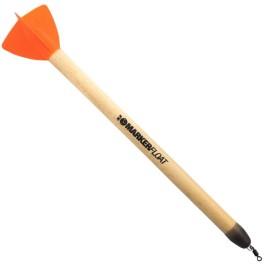
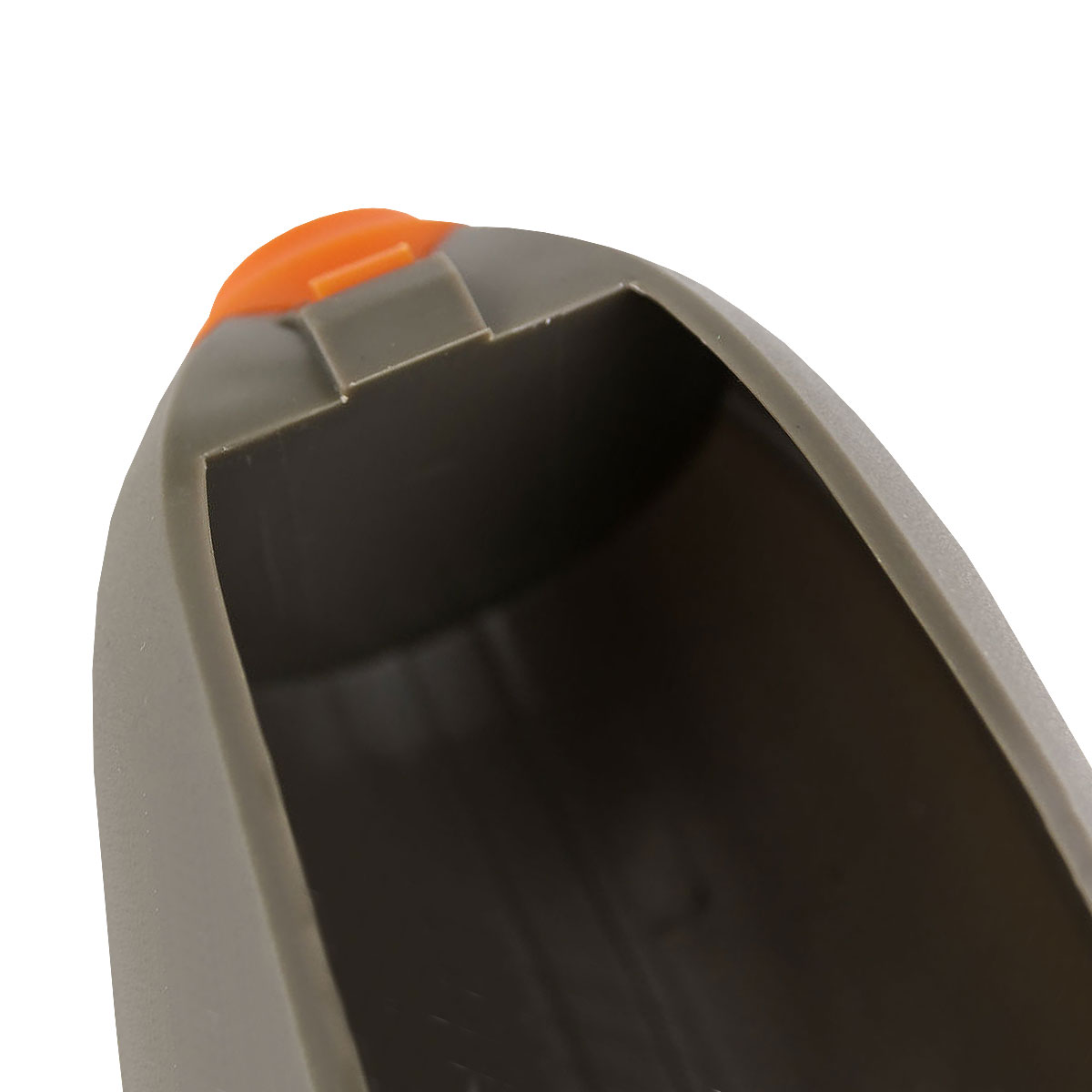
Top scorer
Top scorer
Scores are our own, out of 10. Best in each row is in green. Prices change, so check the latest before you buy.
The full rundown
Everything you'll want to know about the Deeper Quest Bait Boat
The Deeper Quest Bait Boat is for the angler who wants more from a boat than a floating bucket with a release button. It combines bait delivery, built-in CHIRP sonar and GPS autopilot, so the idea is to understand your swim and then put bait where you actually want it. That's a proper step beyond simply sending a heap of boilies towards the far bank. We haven't had it on the water, so this is a look at what the confirmed features offer—not a tale about a brace we supposedly bagged.
The biggest draw is having the sonar aboard the same craft that carries your bait. On an unfamiliar lake, depth changes and the shape of the bottom can help you narrow down areas worth investigating. That might mean the foot of a slope rather than its top, or a section of more consistent depth along a patrol route. You'll still need to learn what the display is telling you. A convincing-looking patch on a screen isn't proof of a clean dinner plate, and sonar won't tell you whether your hook point is masked.
GPS autopilot adds another useful layer, particularly when you want to revisit an area rather than steer everything by eye. Deeper advertises 1-metre precision, which sounds dead handy for keeping your approach organised across a session. Just don't confuse navigation precision with guaranteed hookbait placement. Wind, the boat's movement, water depth and the way your line and rig descend all have a say after release. Think repeatable positioning of the boat, not a magic system that puts the hook on exactly the same grain of gravel every single time.
For carrying feed, the main hopper is rated at 2 kg or 3 litres. That's a useful amount for establishing a baited area, although it doesn't mean you should fill it every trip. A cold-water bite might call for a modest mouthful; fish properly on the munch might justify more. Bait weight and volume aren't interchangeable, either, so a hopper full of one bait won't necessarily weigh the same as another. There's also a separate 160 ml dry rig hopper, giving you a dedicated space for the rig rather than treating everything as one load.
The less glamorous bit is getting it to the swim. At 4.8 kg including two batteries, the Quest is a noticeable addition to your gear before you've loaded any bait. If your barrow already looks like you're moving house, have a think about that. The hull is ABS plastic with waterproof silicone seals, a sensible combination on paper for equipment working around water. Those details don't tell us how it'll stand up to years of knocks, though. Treat it as an electronic fishing tool, not something to lob beside the unhooking mat.
The advertised operating figures are up to seven hours and up to 400 metres, both depending on conditions. Maximum speed is 3 km/h, so this is about measured delivery rather than blasting across the lake. Leave yourself time for outward and return trips, especially if several rods need sorting before bite-time. A five-hour full charge also makes preparation important. Charging before you leave is much less painful than reaching the swim with a boat that can't do the job. Keep a battery reserve rather than treating the headline endurance as a target.
Before any of that, check the fishery rules. Some venues don't allow bait boats, and permission to use one isn't permission to cross another angler's water. The maximum range is a capability, not a suggestion that fishing at that distance is sensible. You still need a safe line route, a realistic chance of controlling a hooked fish and enough awareness to avoid making everyone else's session a nightmare. Don't let the boat tempt you into placing a rig beyond an obstacle you couldn't safely fish around with an ordinary cast.
That's where the buying decision lands, mate. If you regularly fish suitable waters, enjoy learning your swims and will use the sonar and navigation, the Quest offers a coherent package. If you're mostly nicking a couple of hours in the margins, it could be an awful lot of kit for a job a baiting spoon already handles. It won't make carp feed or rescue poor location. What it can offer is a more deliberate way to investigate and feed your spots—and that matters most when there's a sound fishing plan behind it.
Specifications
The nuts and bolts
- Weight and hull
- 4.8 kg including two batteries; ABS plastic with waterproof silicone seals.
- Hoppers
- Bait: 2 kg / 3 litres. Dry rig: 160 ml.
- Sonar and navigation
- Built-in CHIRP sonar; GPS autopilot with advertised 1-metre precision.
- Operating range
- Up to 400 metres, depending on conditions.
- Battery operation and charging
- Up to seven hours of operation, depending on conditions; five-hour full charging time.
- Maximum speed
- 3 km/h.
Specs checked with Deeper, Oct 2026.
Spot a model or spec change?
Our take
Find the spot, then feed it
The real appeal isn't sending bait as far as possible. It's using the sonar to understand the swim, then using GPS assistance to revisit an area with less guesswork.
Keep your expectations sensible: the advertised 1-metre GPS precision isn't a promise that your hookbait will settle within a metre of the same pebble every trip.
The kit
Closer look: a boat with more than delivery duties
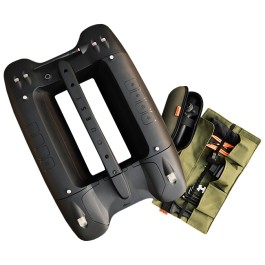
The Quest's main attraction is the combination, rather than any single headline figure. Sonar helps you investigate an area, GPS assistance helps with positioning, and the hopper carries the feed. Bringing those jobs together could make a considered baiting routine easier to manage, but you'll still need to understand each part.
The dedicated dry rig hopper is a useful distinction from the main bait compartment. Before sending any rig out, check that it fits freely and that the hooklink and line can release without snagging. On the retrieve, manage slack carefully rather than hauling the lead away from the area you've just baited.
Worth knowing. Waterproof silicone seals don't make care optional. Follow the maker's cleaning, drying and charging instructions, and check the boat over before the next session rather than discovering a problem at dusk.
Your fishing
Who it suits: regular use beats occasional novelty
Regular session anglers have the clearest reason to consider the Quest. If you're learning a venue over several trips, understanding its contours and revisiting productive areas can become part of a useful routine. The benefit is a more informed approach—not a guarantee that yesterday's spot will produce today.
It's a harder sell for anglers who thrive on travelling light and moving onto showing fish. Packing away a boat and its supporting kit is another job when you want to shift quickly. For straightforward bait delivery without much interest in sonar, a simpler boat is also worth comparing before committing.
A sensible first outing would focus on learning the controls and rig release at manageable distance in open water. Get comfortable with the boat before asking it to handle a complicated swim. There's no prize for making your first trip the longest one.
Bank-side questions
FAQs in full: the practical bits
Does it need a separate castable sonar? The Quest already has CHIRP sonar built in. That's central to its appeal: you aren't buying a delivery-only boat and then trying to add underwater information later. Learning to interpret sonar remains your job, and a fish return isn't proof you've found a feeding carp.
Should you fill the hopper every time? No. The 2 kg / 3-litre rating tells you its carrying capacity, not the correct feed for your swim. Start with the fish, season and baiting plan. The separate 160 ml rig compartment is relatively small, so check bulky rig arrangements fit without being forced.
Can you rely on the full range and runtime? Treat 400 metres and seven hours as advertised upper figures, not promises for every outing. Conditions affect operation, and you need enough battery to bring the boat home comfortably. With a five-hour full charging time, getting ready the night before is the sensible shout.
On paper
Pros & cons
What we like
- Combines sonar, GPS assistance and bait delivery in one package.
- Useful bait capacity for building a spot without endless small trips.
- Separate dry rig hopper gives you a dedicated place to carry the rig.
- Potentially useful endurance for longer sessions, with sensible battery management.
Worth knowing
- The 4.8 kg weight adds a noticeable lump to an already loaded barrow.
- Charging, sonar interpretation and boat handling bring extra faff.
- Little benefit on waters that ban boats or swims easily covered with simpler tackle.
Want one?
Add it to your Wanted list or join a Group Buy — shops see anonymous totals only.
Your questions answered
What anglers want to know
The stuff you’d ask your mate on the next peg. Straight answers, no waffle.
01Does the Deeper Quest have built-in sonar?
Does the Deeper Quest have built-in sonar?
Yes. CHIRP sonar is built in, alongside GPS autopilot. Sonar helps you interpret the water beneath the boat; it doesn't confirm that your rig has landed perfectly.
02How much bait can it carry?
How much bait can it carry?
The main hopper is rated at 2 kg / 3 litres, and the separate dry rig hopper holds 160 ml. Different baits occupy different amounts of space, so respect both the weight and volume limits.
03How far can it go, and how long does the battery last?
How far can it go, and how long does the battery last?
The advertised figures are up to 400 metres and up to seven hours, depending on conditions. A full charge takes five hours. Keep a sensible reserve for the return journey rather than pushing either limit.
What anglers say
The word from the bank
Our read: cracking potential, provided you'll use it. The strongest reasons to choose it are combines sonar, gps assistance and bait delivery in one package. and useful bait capacity for building a spot without endless small trips.; the main trade-off is the 4.8 kg weight adds a noticeable lump to an already loaded barrow..
Our take on the feedback
Why it appeals
Checked Sept '26 — “Combines sonar, GPS assistance and bait delivery in one package.”
Best fit
Checked Sept '26 — “Regular carp anglers on boat-friendly venues: Sonar and GPS assistance make most sense when you'll repeatedly use them to explore and fish your swims.”
Worth knowing
Checked Sept '26 — “The 4.8 kg weight adds a noticeable lump to an already loaded barrow.”
Tackle Index’s take from the product details and fishing fit we checked. We haven’t found enough independent public feedback to call this an angler consensus yet.
Angler score
What our readers rate Deeper Quest Bait Boat
No angler score yet — nobody's reviewed Deeper Quest Bait Boat here. Be the first and get the score started.
Owner reports
Own this? Help the next angler.
Quick multiple-choice reports from people who say they own the Deeper Quest Bait Boat. Not verified purchases, and kept separate from our score.
No owner reports yet.
Alternatives & go-withs