Photos: Drennan · supplied retailer imagery
Rods · Float fishing · Our take
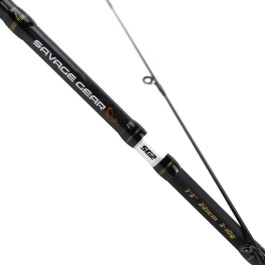
Drennan Acolyte Plus Float Rod
13ft and 14ft Acolyte Plus Float
A proper float rod for anglers who want finesse without feeling undergunned when a better fish muscles into the swim. The choice between 13ft and 14ft is mostly about where you fish.
- Available in 13ft and 14ft lengths, both with traditional three-piece construction.
- Listed average weights are 150g for the 13ft and 156g for the 14ft.
- Fuji SiC guides, a Fuji DPS reel seat and a full cork handle.
- Recommended reel lines of 4lb to 6lb+, with hooklengths of 3lb to 5lb.
Make sure it’s the right one. This covers the Acolyte Plus Float rods, not the lighter-powered Acolyte Ultra models. We haven't tested either version on the bank.
Tackle Index Score
Tackle Index score
An appealing feature-led package for regular float anglers; scores are editorial judgements, not bank-test results, and value depends on the asking price.
- Product Quality9.4/10
- Performance9.1/10
- Impact on Fish Catching8.3/10
- Ease of Use8.9/10
- Value for Money8.4/10
If you buy through our links, we might get a small kickback, but it won’t cost you a penny extra. As an Amazon Associate I earn from qualifying purchases. The full story
Who it suits
Is it right for you?
Great for
- Regular river float anglers. The long, light format suits active float work, with the 14ft offering extra reach for managing line.
- Stillwater anglers mixing silverfish with better fish. The forgiving tip and extra reserve make sense when a session might include bream, tench or sensible-sized carp in open water.
Maybe skip if
- Anglers fishing tight, overgrown swims. A 13ft or 14ft rod can become a nuisance where branches restrict casting and striking.
- Heavy-duty margin carp anglers. The recommended hooklength range and float-fishing brief aren't a match for forceful snag extraction.
The lowdown
Introducing the Drennan Acolyte Plus Float Rod
A proper float rod for anglers who want finesse without feeling undergunned when a better fish muscles into the swim. The choice between 13ft and 14ft is mostly about where you fish.
- Available in 13ft and 14ft lengths, both with traditional three-piece construction.
- Listed average weights are 150g for the 13ft and 156g for the 14ft.
- Fuji SiC guides, a Fuji DPS reel seat and a full cork handle.
- Recommended reel lines of 4lb to 6lb+, with hooklengths of 3lb to 5lb.
Quick verdict
A strong shout for serious float anglers
The Acolyte Plus makes plenty of sense if you want a light, slim float rod with extra backbone for better fish. The forgiving tip and progressive middle are a useful pairing: finesse up front, with more support as the pressure builds.
Go 13ft for a straightforward all-round choice, or consider 14ft where extra reach helps your line control. Just don't mistake the Plus name for a licence to drag big carp away from snags.
An appealing feature-led package for regular float anglers; scores are editorial judgements, not bank-test results, and value depends on the asking price.
- Product Quality
- 9.4/10
- Performance
- 9.1/10
- Impact on Fish Catching
- 8.3/10
- Ease of Use
- 8.9/10
- Value for Money
- 8.4/10
Fuji fittings, full cork and a slim, lightweight build make a convincing quality package on paper.
The forgiving tip, progressive middle and extra reserve look well matched to mixed float fishing, though untested by us.
Suitable reach and a balanced action can support presentation and fish playing, but won't replace good feeding and swim choice.
Low listed weights are appealing for active float work, with length and three-piece assembly the main practical compromises.
The component package makes the strongest value case for frequent users, although no current asking price is confirmed here.
Head to head
How it stacks up
Side by side with the closest kit we've reviewed. This updates as we add more reviews.
Drennan
Drennan Acolyte Plus Float Rod (this one)

Top scorer
Scores are our own, out of 10. Best in each row is in green. Prices change, so check the latest before you buy.
The full rundown
Everything you'll want to know about the Drennan Acolyte Plus Float Rod
There's a familiar float-fishing dilemma, mate. You want a rod that's pleasant to hold while you feed, mend line and watch a little orange tip. But you don't want to feel hopelessly undergunned when something better than the usual roach turns up. That's the gap the Drennan Acolyte Plus Float Rod is aimed at. It offers more power than the Acolyte Ultra models, while keeping a slim blank and a forgiving tip. More in reserve, basically, without giving up the reason you picked a proper float rod.
First, a straight bit of housekeeping: we haven't fished with either version. This is a look at the confirmed features and how they fit normal coarse-fishing jobs, not a tale about a conveniently enormous fish landed on a wet Tuesday. The two versions here are 13ft and 14ft, both built in the traditional three-piece format. That makes the decision refreshingly simple. You're choosing how much reach you need, rather than trying to untangle a pile of different powers and confusingly similar names.
The listed average weights are a big part of the appeal: 150g for the 13ft and 156g for the 14ft. Those are light figures for rods of these lengths, which matters when the rod spends more time in your hand than on a rest. Think trotting a run, lifting line off the water or repeatedly casting a waggler to a fed spot. Weight alone doesn't tell you how a complete outfit will balance, though. Your reel and the way you hold the handle still have their say.
Power needs a bit of context, too. The Plus has more of it than the Ultra, but this remains a float rod, not a margin-carp winch wearing a cork handle. The forgiving tip section and progressive middle suggest a useful balance between cushioning a fish and bringing more of the blank into play as it pulls harder. That's an appealing setup for mixed fishing where decent bream, tench or the odd carp might join the party. Cover, line strength and fish size still decide whether the job is sensible.
For plenty of anglers, the 13ft will be the natural starting point. It's a familiar all-round float length, with enough reach for many stillwater and river situations without adding the extra foot you've then got to manoeuvre around branches. The 14ft makes more sense when that reach earns its keep: managing line on moving water, fishing deeper swims or reaching past awkward near-bank water. Don't choose it just because longer sounds better. Picture your actual peg, including that annoying willow above your head, before deciding.
The fittings are reassuringly straightforward. You get Fuji SiC guides throughout, a Fuji DPS reel seat and a full cork handle, plus a hook-retaining ring. No mystery there, and no need for flashy claims. It's a component package that fits a rod intended for regular use. The keeper is dead handy when moving between nearby pegs, although the hook still needs securing safely and the line shouldn't be pulled bar-tight. For longer moves, break the rod down rather than waving fourteen feet of tackle through the bushes.
Drennan's listed line recommendations are 4lb to 6lb+ for the reel line and 3lb to 5lb for hooklengths. That's useful guidance for understanding the rod's intended territory. Build a balanced outfit rather than simply fitting the strongest line you can find. A sensible clutch setting, sound knots and enough open water to play a fish all matter. If your plan involves stopping powerful carp before they bury themselves in roots, change the tackle or the approach. The word Plus doesn't cancel out the limits of a float setup.
The real buying question is how often you'll use what this rod offers. If float fishing is your thing, low weight, extra reserve and a choice of two useful lengths are a cracking combination on paper. If you only dust off a waggler twice a summer, a simpler, cheaper outfit may do everything you need. Likewise, dedicated tiny-hook silverfish anglers may not need the extra power. The Acolyte Plus looks most convincing as a regular-use float rod for someone who enjoys finesse but wants a bit of backup when the swim produces a surprise.
Specifications
The nuts and bolts
- Lengths and average weights
- 13ft: 150g; 14ft: 156g
- Construction
- Traditional three-piece, slim blank
- Guides
- Fuji SiC throughout
- Handle and fittings
- Full cork handle, Fuji DPS reel seat and hook-retaining ring
- Recommended lines
- Reel line: 4lb to 6lb+; hooklength: 3lb to 5lb
- Action and power
- Increased power over Acolyte Ultra models; forgiving tip section and progressive middle
Specs checked with Drennan, Oct 2026.
Spot a model or spec change?
Our take
More power, not a different job
The attraction here is extra reserve over an Acolyte Ultra while keeping a proper float-fishing approach. It's for working a float and playing fish, rather than bullying everything straight to the net.
Choose the length around swim depth, line control and overhead space. An extra foot can be dead handy on a river, but less welcome beneath a low canopy.
The tackle
Closer look: a light float rod with extra reserve
The slim, three-piece blank is the starting point, with more power than the Acolyte Ultra models. That distinction matters more than the name: you're buying a float rod with additional reserve, not stepping into a heavy-duty carp category. A forgiving tip and progressive middle should help the transition from picking up a bite to playing a stronger fish.
Fuji SiC guides, a Fuji DPS reel seat and full cork give the build a familiar, practical feel on paper. The low listed weights are appealing, but if you can handle one with your intended reel fitted, do. Balance is personal, and a bare-rod weight can't tell you everything about holding an outfit through a long trot.
Worth knowing. The quoted 150g and 156g figures are average weights. They're not a promise that every individual rod will weigh exactly the same.
Your fishing
Who it suits: anglers who actually work a float
River anglers have an obvious reason to look here. Extra length can help lift and reposition line, while a light rod is appealing when you're holding it all session. The 14ft is the stronger candidate where reach matters, but the 13ft may be less faff when swims are enclosed or casting room is limited.
On stillwaters, the Plus makes sense for mixed fishing rather than just chasing tiny silvers. A waggler session can change character quickly when better fish move onto the feed. The extra reserve is welcome in principle, but choose your hooklength around the conditions and keep the clutch ready to give line. Don't lock everything up just because a fish feels lively.
Worth knowing. If your usual swim has low branches or a tiny gap for casting, neither length is automatically the best choice. A shorter rod that lets you fish comfortably can be the smarter buy.
Before you buy
FAQs in full: length, line and that Plus badge
13ft or 14ft? Start with the swim, not the weight difference. The 13ft is a sensible all-round option. The 14ft gives extra reach for line management and can help in deeper fixed-float situations, though suitable depth also depends on how you rig and cast. Neither length turns an awkward peg into an easy one by itself.
What line should you use? The recommendations are 4lb to 6lb+ reel lines and 3lb to 5lb hooklengths. Those ranges help frame a balanced outfit, but they aren't fish-weight limits. Knots, abrasion, clutch setting and nearby cover all affect what you can safely handle.
What's different from the Ultra? Increased power is the key point. Choose the Plus because your fishing calls for more reserve, not because Plus automatically means better for every job. If delicate silverfish fishing is your whole brief, compare the lighter-powered option before spending your quid.
Worth knowing. We haven't carried out a bank test. The verdict and scores reflect the confirmed features and intended fishing role, not measured casting performance or catches.
On paper
Pros & cons
What we like
- Low listed weights are appealing for float fishing with the rod in your hand.
- More power than the Acolyte Ultra models without abandoning a forgiving tip.
- Two useful lengths for balancing reach against handling space.
- Fuji fittings and a full cork handle make a reassuring component package.
Worth knowing
- Both lengths need room overhead and behind you; neither is ideal for cramped swims.
- Three-piece construction adds assembly compared with a ready-rigged two-piece setup.
- Not the right tool for heavy-line, snaggy carp work.
Want one?
Add it to your Wanted list or join a Group Buy — shops see anonymous totals only.
Your questions answered
What anglers want to know
The stuff you’d ask your mate on the next peg. Straight answers, no waffle.
01Should I choose the 13ft or 14ft Acolyte Plus?
Should I choose the 13ft or 14ft Acolyte Plus?
The 13ft is the easier all-round starting point. Choose 14ft when extra reach helps with deeper swims, trotting or keeping line clear of awkward near-bank water, provided you've got enough space.
02What lines are recommended?
What lines are recommended?
The listed recommendations are 4lb to 6lb+ reel lines and 3lb to 5lb hooklengths. Match your choice to the swim and target fish; the plus sign isn't permission to use unlimited line strength.
03How does the Plus differ from the Acolyte Ultra?
How does the Plus differ from the Acolyte Ultra?
The Plus has increased power over the Ultra models. Its appeal is extra reserve for better fish while retaining a forgiving tip and progressive middle, rather than turning into a heavy carp rod.
What anglers say
The word from the bank
Our read: a strong shout for serious float anglers. The strongest reasons to choose it are low listed weights are appealing for float fishing with the rod in your hand. and more power than the acolyte ultra models without abandoning a forgiving tip.; the main trade-off is both lengths need room overhead and behind you; neither is ideal for cramped swims..
Our take on the feedback
Why it appeals
Checked Sept '26 — “Low listed weights are appealing for float fishing with the rod in your hand.”
Best fit
Checked Sept '26 — “Regular river float anglers: The long, light format suits active float work, with the 14ft offering extra reach for managing line.”
Worth knowing
Checked Sept '26 — “Both lengths need room overhead and behind you; neither is ideal for cramped swims.”
Tackle Index’s take from the product details and fishing fit we checked. We haven’t found enough independent public feedback to call this an angler consensus yet.
Angler score
What our readers rate Drennan Acolyte Plus Float Rod
No angler score yet — nobody's reviewed Drennan Acolyte Plus Float Rod here. Be the first and get the score started.
Owner reports
Own this? Help the next angler.
Quick multiple-choice reports from people who say they own the Drennan Acolyte Plus Float Rod. Not verified purchases, and kept separate from our score.
No owner reports yet.
Alternatives & go-withs