Photos: Drennan · supplied retailer imagery
Rods · Float fishing · Our take
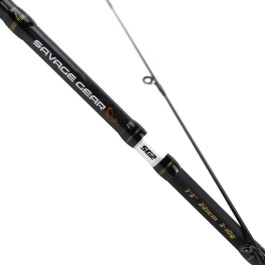
Drennan Acolyte Ultra Float Rod
Ultra Float range, listed in 11ft, 12ft, 13ft, 14ft and 15ft
A slim, lightweight float rod for anglers who'd rather enjoy tidy presentation and a cushioning tip than drag everything straight to the net. Pick the right length and there's plenty to like here.
- Listed lengths are 11ft, 12ft, 13ft, 14ft and 15ft.
- Slim, high-modulus carbon blank with a light, crisp action.
- Soft, cushioning tip intended to support delicate float-fishing tackle.
- The 13ft weighs 4.75oz; the 15ft weighs approximately 163g.
Make sure it’s the right one. This covers the Acolyte Ultra Float range, not the Acolyte Plus. Model-specific figures are labelled below. We haven't tested these rods on the bank.
Tackle Index Score
Tackle Index score
Provisional scores based on the confirmed design and intended role, not hands-on testing. Value is the least certain without a current selling price.
- Product Quality9/10
- Performance9.1/10
- Impact on Fish Catching8.4/10
- Ease of Use8.9/10
- Value for Money8.3/10
If you buy through our links, we might get a small kickback, but it won’t cost you a penny extra. As an Amazon Associate I earn from qualifying purchases. The full story
Who it suits
Is it right for you?
Great for
- Regular silverfish anglers. The light build and cushioning tip suit repeated casting and playing fish on balanced, delicate tackle.
- River float anglers who need extra reach. The longer options can help lift and mend line when trotting, provided the swim has enough room.
Maybe skip if
- Anglers targeting carp tight to cover. A cushioning finesse rod isn't the first tool to choose when stopping a fish quickly is the priority.
- Occasional anglers after one rod for everything. Its strengths are quite specific; heavier floats, demanding carp work and delicate silverfish fishing don't all ask the same things of a rod.
The lowdown
Introducing the Drennan Acolyte Ultra Float Rod
A slim, lightweight float rod for anglers who'd rather enjoy tidy presentation and a cushioning tip than drag everything straight to the net. Pick the right length and there's plenty to like here.
- Listed lengths are 11ft, 12ft, 13ft, 14ft and 15ft.
- Slim, high-modulus carbon blank with a light, crisp action.
- Soft, cushioning tip intended to support delicate float-fishing tackle.
- The 13ft weighs 4.75oz; the 15ft weighs approximately 163g.
Quick verdict
A cracking fit for thoughtful float fishing
The Acolyte Ultra makes most sense when you're fishing light, holding the rod for long spells and relying on presentation rather than brute force. Its slim carbon blank, crisp action and cushioning tip are a promising combination for enjoyable silverfish sport.
Choose the length for your swim, not simply the longest one you can afford. It's less convincing as a do-everything commercial carp rod, and its value depends on how often you'll actually use that finesse.
Provisional scores based on the confirmed design and intended role, not hands-on testing. Value is the least certain without a current selling price.
- Product Quality
- 9/10
- Performance
- 9.1/10
- Impact on Fish Catching
- 8.4/10
- Ease of Use
- 8.9/10
- Value for Money
- 8.3/10
The slim high-modulus carbon construction is a strong starting point, though finish and long-term durability haven't been checked hands-on.
The stated crisp action and cushioning tip are well matched to controlled, light-tackle float fishing.
Suitable reach and hooklength cushioning can support better fishing, but feeding and presentation remain the bigger factors.
Low weight should help during active sessions, provided you choose a length that fits your swim.
Its focused benefits make most sense for regular float anglers, with the final value judgement dependent on the asking price.
Head to head
How it stacks up
Side by side with the closest kit we've reviewed. This updates as we add more reviews.
Drennan
Drennan Acolyte Ultra Float Rod (this one)

Top scorer
Scores are our own, out of 10. Best in each row is in green. Prices change, so check the latest before you buy.
The full rundown
Everything you'll want to know about the Drennan Acolyte Ultra Float Rod
If your idea of a proper session is watching a float tip, feeding little and often, and working out why the bites have suddenly gone shy, the Drennan Acolyte Ultra Float Rod makes plenty of sense. This is a rod range built around lightness and finesse, rather than the sort of muscle you'd reach for to haul a lump away from marginal roots. Think roach, dace and mixed silverfish, with presentation doing the heavy lifting. It's about enjoying the fishing between bites as much as the scrap afterwards.
Let's get the honesty bit out of the way: we haven't fished with this range on the bank. What follows is a look at its confirmed features and how they fit everyday float fishing, not a tale about a magical first cast or a surprise PB. The core recipe is a slim, high-modulus carbon blank, a light and crisp action with little or no bounce, and a soft, cushioning tip. On paper, that's a sensible combination for anglers who spend much of a session with the rod in their hand.
That last bit matters more than it might sound. When you're trotting a river, you're not just waiting for something to happen. You're picking up slack, following the float, checking its pace and getting ready to strike without dragging a belly of line first. A light rod should make that repeated work less tiring. The 13ft model is listed at 4.75oz, while the 15ft comes in at approximately 163g. Those are figures for two particular lengths, mind, not weights you can apply across the whole range.
The tip is the other big part of the appeal. Fine hooklengths and small hooks don't leave much room for a clumsy strike or a tight clutch when a better fish wakes up under the rod tip. A cushioning action gives you a bit of help there, absorbing sudden movement rather than asking the line to take everything. It isn't a licence to fish silly-light beside snags, though. Match your tackle to the fish and the swim first, then let the rod's forgiving side do its job.
You've got listed lengths of 11ft, 12ft, 13ft, 14ft and 15ft, so choosing well is half the battle. Shorter isn't automatically beginner tackle, and longer isn't automatically better. A compact swim with branches overhead asks different questions from an open river where extra reach helps keep line off a near-bank crease. A 13ft rod is a sensible starting point for general float fishing; moving longer should solve a real problem with depth or line control. Otherwise, you're simply giving yourself more rod to manoeuvre.
For river work, that extra reach can be dead handy. It lets you lift more line clear and make corrections without immediately pulling the float off its path. In deeper stillwaters, a longer rod can also make a fixed-float setup more manageable, although sufficiently deep swims may still call for a slider. None of this replaces feeding accurately or getting the shotting right. If your hookbait is charging through unnaturally, an expensive blank won't persuade the better roach that everything's bob on. Presentation still comes first, mate.
Line choice needs a little care because the guidance isn't identical for every length. The 13ft and 14ft models are described as designed for reel lines of 2.5–4lb or more. For the 15ft, the recommendation is 3–5lb reel line with hooklengths of 1.5–4lb. Keep those as model-specific pointers, rather than treating them as a blanket rule. And don't read 'or more' as an invitation to turn a finesse float rod into a snag-fishing tool. Stronger line doesn't magically change the job the rod is meant to do.
So, who should have this on the shortlist? The angler who regularly fishes a float and notices the difference between tackle that feels lively and tackle that feels like hard work. Its appeal is strongest when you're refining a familiar method, not buying something flashy and hoping it'll end a blank. Without a current selling price, there's no honest bargain-of-the-century claim to make. But if your fishing revolves around controlled presentation, light tackle and long spells holding the rod, the Ultra has a clear, useful purpose.
Specifications
The nuts and bolts
- Listed lengths
- 11ft, 12ft, 13ft, 14ft and 15ft
- Blank and action
- Slim, high-modulus carbon; light, crisp action with little or no bounce and a soft, cushioning tip
- 13ft weight
- 4.75oz
- 13ft and 14ft reel lines
- Designed for 2.5–4lb reel lines or more; choose a balanced setup for the swim
- 15ft build and identity
- Approximately 163g (5¾oz); three-piece construction; product code RMACUL150
- 15ft line guidance
- Recommended reel lines: 3–5lb (1.4–2.3kg). Listed hooklength range: 1.5–4lb (0.09–0.15mm)
Specs checked with Drennan, Oct 2026.
Spot a model or spec change?
Our take
Reach without forgetting the hooklength
The useful trick here is combining a light, crisp rod with a forgiving tip. Those aren't opposites: a rod can settle promptly after a cast while still cushioning a fish's lunges.
That balance matters when you're repeatedly casting a float, lifting line clear of the water and playing fish on fine hooklengths. It won't fix poor feeding, but it's aimed squarely at making the fiddly bits easier.
The tackle
Closer look: crisp recovery, forgiving tip
You're buying a dedicated float rod with a slim, high-modulus carbon blank. The stated crisp action and lack of lingering bounce suggest a rod intended to settle promptly after casting. That's a useful aim when you're trying to place a float neatly rather than watch the tip waggle about. We can't confirm how each length feels in hand without fishing it.
The soft tip handles a different part of the job: cushioning sudden loads once you've hooked a fish. Pair it with a smoothly set clutch and avoid winding against a fish that's taking line. Near the net, keep a sensible bend in the rod rather than lifting it steeply behind your head. Finesse tackle rewards calm handling, not a last-second heave.
Worth knowing. The 15ft is confirmed as a three-piece rod, weighing approximately 163g, with product code RMACUL150. Those details belong to that model. Likewise, the listed hooklength diameters are guidance, not a promise that every brand of line has the same strength at a given diameter.
Your fishing
Who it suits: anglers who enjoy working a float
Regular silverfish anglers are the natural audience. Whether you're casting a waggler on a stillwater or following a river float downstream, a light rod and forgiving tip fit the task. In winter, when bites can be delicate and a small hookbait makes sense, that balance is particularly relevant. Just don't confuse delicate tackle with tackle too weak for the swim.
River anglers should weigh reach against access. A 14ft or 15ft option can help with line control, but first picture the back cast, nearby trees and where you'll land a fish. If you're tucked beneath branches, a shorter rod may be the much smarter buy. Being able to fish comfortably beats owning extra length you can't use.
For deliberate carp fishing beside cover, look for a rod designed around that tougher job. The Ultra's attraction is its lightness and cushioning, not an invitation to pull harder. It also makes a less obvious purchase for someone who only float fishes twice a year: the benefits have more chance to earn their keep with regular use.
Bank-side questions
FAQs in full: length, lines and the carp question
Which length should you buy? Start with your usual swim. The shorter listed options deserve a look where room is restricted; 13ft is a sensible general starting point; 14ft and 15ft are useful candidates when extra reach has a clear purpose. Consider depth as well as casting distance. Extra rod length won't automatically make a badly balanced float setup cast better.
What line should you use? Follow the guidance for your chosen length, then account for fish size, snags and hooklength strength. The 15ft's recommended 3–5lb reel line and 1.5–4lb hooklength range give a clear starting window. Check knots carefully and reset the clutch after changing tackle. A cushioning tip helps, but it can't rescue a damaged hooklength.
Can it handle a carp? There's no useful yes-or-no answer without knowing the fish and the swim. An unexpected carp with plenty of open water is a different proposition from a deliberate cast tight to roots. Don't treat the line guidance as a maximum fish weight, either. For regular, demanding carp work, choose a more suitable tool rather than asking the Ultra to be something it isn't.
On paper
Pros & cons
What we like
- Low weight should suit sessions spent holding the rod rather than leaving it on rests.
- Cushioning tip is well matched to fine-hooklength float fishing.
- Five listed lengths give you useful choices for different swims.
- Crisp action with little or no bounce is a promising feature for controlled casting.
Worth knowing
- Not the obvious choice for bullying carp away from snags.
- Longer versions need more overhead room and are less handy beneath trees.
- A finesse-focused rod may be hard to justify if you only float fish occasionally.
Want one?
Add it to your Wanted list or join a Group Buy — shops see anonymous totals only.
Your questions answered
What anglers want to know
The stuff you’d ask your mate on the next peg. Straight answers, no waffle.
01Which Acolyte Ultra Float length should I choose?
Which Acolyte Ultra Float length should I choose?
Choose around water depth, line-control needs and bank access. A shorter option is handier in cramped swims, while 13ft is a sensible general starting point. The 14ft and 15ft options offer extra reach for deeper water or river work, but need more room.
02What lines suit the Acolyte Ultra Float?
What lines suit the Acolyte Ultra Float?
The 13ft and 14ft are described as designed for 2.5–4lb reel lines or more. The 15ft has clearer guidance: 3–5lb reel lines and 1.5–4lb hooklengths. Don't apply those figures automatically to the 11ft or 12ft.
03Is it suitable for carp?
Is it suitable for carp?
An incidental carp in open water isn't the same job as deliberately targeting powerful fish beside snags. The Ultra's cushioning action can help with a balanced light setup, but it isn't our first recommendation for dedicated commercial carp work.
What anglers say
The word from the bank
Our read: a cracking fit for thoughtful float fishing. The strongest reasons to choose it are low weight should suit sessions spent holding the rod rather than leaving it on rests. and cushioning tip is well matched to fine-hooklength float fishing.; the main trade-off is not the obvious choice for bullying carp away from snags..
Our take on the feedback
Why it appeals
Checked Sept '26 — “Low weight should suit sessions spent holding the rod rather than leaving it on rests.”
Best fit
Checked Sept '26 — “Regular silverfish anglers: The light build and cushioning tip suit repeated casting and playing fish on balanced, delicate tackle.”
Worth knowing
Checked Sept '26 — “Not the obvious choice for bullying carp away from snags.”
Tackle Index’s take from the product details and fishing fit we checked. We haven’t found enough independent public feedback to call this an angler consensus yet.
Angler score
What our readers rate Drennan Acolyte Ultra Float Rod
No angler score yet — nobody's reviewed Drennan Acolyte Ultra Float Rod here. Be the first and get the score started.
Owner reports
Own this? Help the next angler.
Quick multiple-choice reports from people who say they own the Drennan Acolyte Ultra Float Rod. Not verified purchases, and kept separate from our score.
No owner reports yet.
Alternatives & go-withs