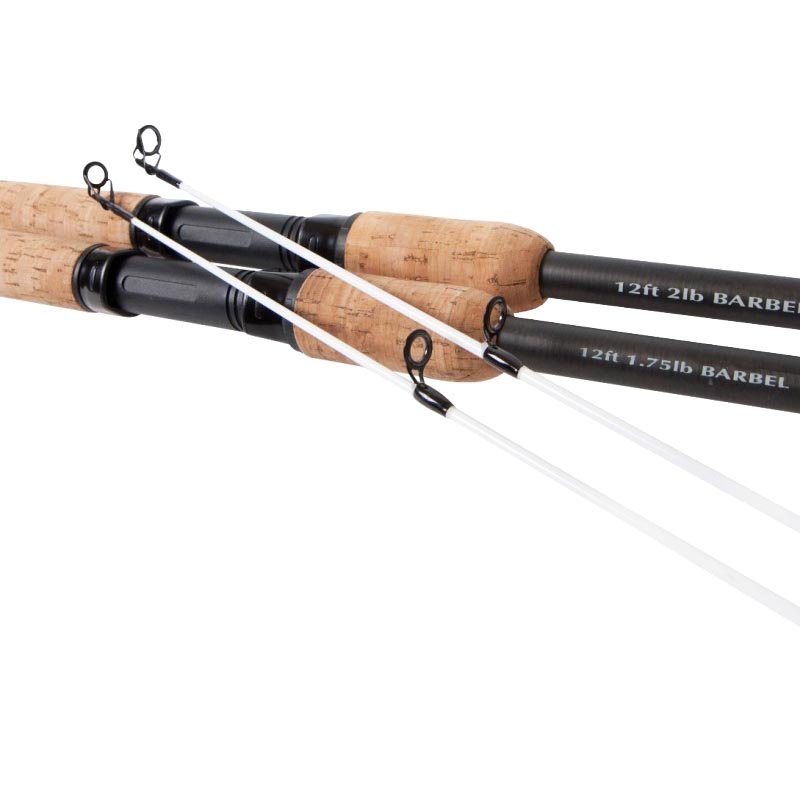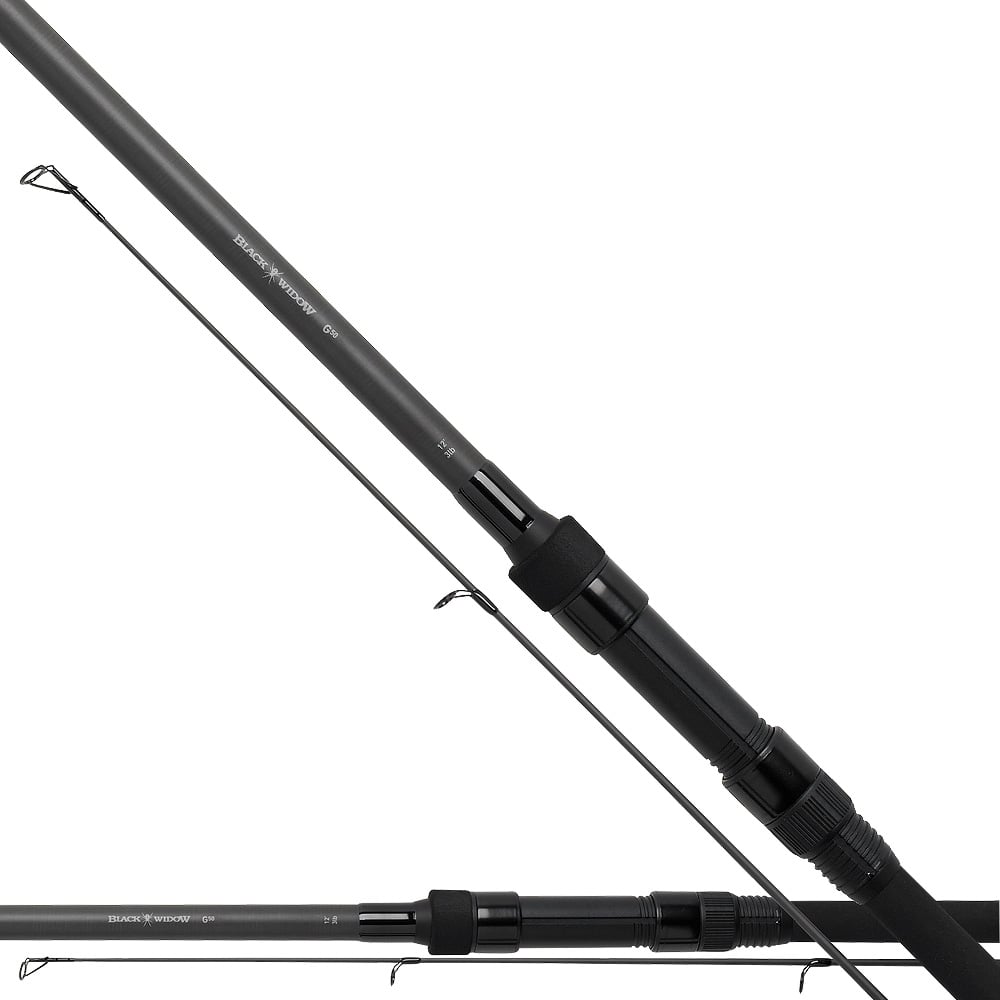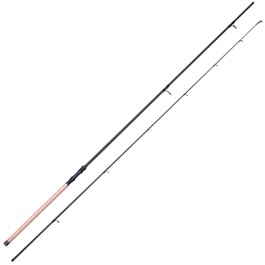
Photos: Drennan · supplied retailer imagery
Rods · Specialist specimen · Our take
Drennan Specialist Specimen Rod
Range overview: 11ft and 12ft, each in 1.25lb and 1.50lb test curves
Four length-and-test-curve combinations, a forgiving progressive action and sensible fittings make this a tempting all-rounder for lighter specimen work. The trick is picking the version for your water, not just the biggest fish in it.
- Available in 11ft and 12ft lengths.
- Both lengths offer 1.25lb and 1.50lb test-curve options.
- Carbon fibre blank with a subtle dark green finish and forgiving progressive power action.
- Large-diameter full SiC guides, a specialist 16mm DPS reel seat and a slim cork-and-EVA handle.
Make sure it’s the right one. This covers the Specialist Specimen range rather than one individual version. We haven't used these rods on the bank; the buying advice below is based on the confirmed features and their intended fishing role.
Tackle Index Score
Tackle Index score
Provisional feature-based scores, not bank-test results. Handling and durability aren't verified, and the value score is tentative without a confirmed selling price.
- Product Quality8.8/10
- Performance8.6/10
- Impact on Fish Catching7.9/10
- Ease of Use8.8/10
- Value for Money7.7/10
If you buy through our links, we might get a small kickback, but it won’t cost you a penny extra. As an Amazon Associate I earn from qualifying purchases. The full story
Who it suits
Is it right for you?
Great for
- Tench and bream anglers using balanced specimen tackle. The available test curves and progressive action make sense for modest ledgering and feeder work where heavy carp tackle would be overkill.
- Roaming specialists on smaller rivers and intimate stillwaters. The choice of lengths lets you prioritise manageable handling or extra reach, provided your casting loads and swim demands stay within the rod's role.
Maybe skip if
- Heavy-river feeder anglers. Strong flow and large loaded feeders call for a rod with clearly suitable casting capability, not assumptions based on a 1.50lb test curve.
- Long-range carp anglers or anglers fishing severe snags. This range isn't a substitute for purpose-built distance tackle or the stronger gear demanding snag situations can require.
The lowdown
Introducing the Drennan Specialist Specimen Rod
Four length-and-test-curve combinations, a forgiving progressive action and sensible fittings make this a tempting all-rounder for lighter specimen work. The trick is picking the version for your water, not just the biggest fish in it.
- Available in 11ft and 12ft lengths.
- Both lengths offer 1.25lb and 1.50lb test-curve options.
- Carbon fibre blank with a subtle dark green finish and forgiving progressive power action.
- Large-diameter full SiC guides, a specialist 16mm DPS reel seat and a slim cork-and-EVA handle.
Quick verdict
A sensible middle ground for specimen fishing
The Specialist Specimen looks a cracking fit if your fishing sits between ordinary light coarse tackle and full-on carp gear. The progressive action is the main attraction, backed up by SiC guides, a DPS reel seat and a slim cork-and-EVA handle.
Choose by swim, feeder load and the control you need. These aren't heavy-river or big-lead tools, and we can't vouch for their casting feel without using them. For lighter specimen work, though, the range makes plenty of sense.
Provisional feature-based scores, not bank-test results. Handling and durability aren't verified, and the value score is tentative without a confirmed selling price.
- Product Quality
- 8.8/10
- Performance
- 8.6/10
- Impact on Fish Catching
- 7.9/10
- Ease of Use
- 8.8/10
- Value for Money
- 7.7/10
The carbon blank, full SiC guides and DPS reel seat make a convincing build package, though long-term durability hasn't been checked.
The progressive action and four available combinations look well suited to lighter specimen work, without proving casting or fish-playing performance.
A suitably matched rod can support good tackle control and fish playing, but it won't replace location, feeding or sound rigs.
The forgiving action and straightforward length-and-power choices offer an approachable setup for anglers who match their loads sensibly.
The useful feature package suggests reasonable buying potential, but a stronger value claim needs a confirmed asking price.
Head to head
How it stacks up
Side by side with the closest kit we've reviewed. This updates as we add more reviews.
Drennan
Drennan Specialist Specimen Rod (this one)

Top scorer
Scores are our own, out of 10. Best in each row is in green. Prices change, so check the latest before you buy.
The full rundown
Everything you'll want to know about the Drennan Specialist Specimen Rod
Not every specimen session needs a rod built to send a big lead towards the horizon. Sometimes you're after tench along a clear strip beside the lilies, bream over a tidy baited spot, or a decent chub from a swim you've quietly crept into. That's the sort of territory where the Drennan Specialist Specimen makes sense. It's a specialist coarse rod with a forgiving progressive power action, rather than a heavy carp tool wearing a different badge. If your usual carp rods feel a bit much for that fishing, this is a range worth a look.
The choice is straightforward once you separate length from power. You can get it in 11ft or 12ft, and both lengths come in 1.25lb and 1.50lb test curves. That's four combinations, not a short soft model and a long powerful one. Handy, because you might want the shorter rod with the higher test curve for a confined swim, or the longer rod in the lighter version for open-water work. Start with where you'll actually fish it. Buying around a dream PB, while ignoring the swim you'll catch it from, is putting the cart before the horse.
For smaller waters and slightly awkward access, the 11ft version is the natural starting point. A foot less rod can mean less faff when you're moving between pegs or working beneath bankside growth. It still isn't a tiny stalking rod, mind, so check the overhead space rather than expecting miracles. The 12ft gives you extra reach, which can be useful when keeping line clear of marginal vegetation or adjusting its angle from the rest. Whether that extra length helps your casting will depend on your technique, tackle and available room, not just the number on the blank.
Then there's the test curve. Think of 1.25lb as the lighter-power option and 1.50lb as a step up, rather than treating either as a promise about the size of fish you can land. A clean, open swim is a very different proposition from one boxed in by weed and snags. Your feeder matters too: a feeder packed with damp groundbait weighs more than the empty feeder in your tackle box. Don't turn the test curve into an invented casting limit. If you're planning to chuck substantial loads, get proper guidance for that exact version before giving it the beans.
The forgiving progressive action is the feature that really frames the rod's purpose. Broadly, a progressive action brings more of the blank into play as the load builds, instead of asking one small area to do everything. That's a sensible approach for specimen fishing with balanced tackle, where sudden lunges close to the net can put everything under pressure. It doesn't make hook pulls impossible or let you fish an over-tight clutch. You still need to let the tackle work. We haven't fished these rods, so we're not going to pretend we know their precise recovery or feel under a lump.
The fittings are reassuringly practical on paper. You get a carbon fibre blank, large-diameter full SiC guides and a specialist 16mm DPS reel seat. The handle combines cork and EVA in a slim layout, while the blank has a subtle dark green finish. Nothing there needs dressing up with wild promises about extra fish. They're sensible ingredients for a rod you'll want to handle comfortably and use without fuss. Handle shape and reel balance are personal, though, so fitting your own reel in a shop is a better check than admiring a picture on your phone.
For a typical tench or bream approach, think balanced ledgering or modest feeder work rather than bolting heavy kit onto a lighter blank. On a river, current strength and the lead needed to hold your spot should guide the decision before the species name does. A quiet chub swim and a booming floodwater glide ask very different things of a rod. Keep your drag sensibly set, avoid lifting fish with the rod, and don't assume a forgiving action means unlimited stopping power. That's particularly important beside lilies: fishing near cover isn't the same as being equipped to extract fish from it.
So the appeal is versatility within a sensible envelope, not one rod for absolutely everything. Choose the length for access and reach, then the test curve for the demands of your fishing. There's a lot to like in that simple approach, especially if you're building a specialist setup without drifting into needlessly heavy gear. Whether it's good value for you depends on the actual asking price and how often those sessions feature in your season. No imaginary catches or bank-test claims here, mate: just a promising, well-judged set of features that deserves a proper waggle before you buy.
Specifications
The nuts and bolts
- Lengths
- 11ft and 12ft
- Test curves
- 1.25lb and 1.50lb in both lengths
- Blank and finish
- High-quality carbon fibre; subtle dark green finish
- Action
- Forgiving progressive power action
- Guides
- Large-diameter full SiC guides
- Reel seat and handle
- Specialist 16mm DPS reel seat; slim cork-and-EVA handle
Specs checked with Drennan, Oct 2026.
Spot a model or spec change?
Our take
Buy for the swim, not the bragging rights
A bigger target fish doesn't automatically mean you need the 1.50lb version. Weed, flow, casting loads and nearby snags matter just as much when you're choosing the right tool.
Likewise, 12ft isn't automatically better than 11ft. Extra reach can help with line management, but a shorter rod is often the less awkward choice beneath branches or in a tight little swim.
Build and choices
Closer look: sensible fittings, four useful combinations
What you're buying is a specialist specimen rod available in two lengths and two test curves per length. The carbon fibre blank has a subtle dark green finish, with a slim cork-and-EVA handle. That understated look is easy to like, but the important buying decision is still which combination fits your regular swims.
Large-diameter full SiC guides and the specialist 16mm DPS reel seat round out the build. Larger guides can be useful when passing line connections, although knot size and shape still matter. Before buying, seat your intended reel, check that it clamps securely and see how the whole outfit sits in your hand. A familiar reel makes that comparison much more useful.
Worth knowing. Test curve measures the load needed to bend a rod through a defined angle; it isn't a maximum casting weight. Don't read 1.50lb as permission to launch any feeder you fancy. Include the bait when considering your casting load.
Match it to your fishing
Who it suits: anglers who don't need a broom handle
Tench and bream anglers fishing manageable ranges with sensible feeder loads are the obvious audience. The range also deserves consideration for lighter river specimen work and suitable open-water carp fishing. Those are intended applications, not claims that every version will handle every swim. Water conditions and the tackle needed to fish effectively come first.
If you roam between tight river swims, start by looking at the 11ft. If extra reach would help you manage line past marginal growth, try the 12ft alongside it. Don't automatically choose the stronger test curve as insurance, either. If your fishing genuinely demands heavy casting or forceful control, you may need a different class of rod altogether.
Value is about having a job for it. If most of your season is spent after tench, bream and other specimens on balanced tackle, this could fill a proper gap. If you mainly fish at long range for carp and only occasionally fancy a change, make sure you're not buying a rod that'll spend eleven months behind the wardrobe.
Before you buy
FAQs in full: length, power and realistic limits
11ft or 12ft? Pick the length that helps in your actual swims. The shorter option is generally less cumbersome around bankside cover, while the longer one adds reach for line management. Neither advantage is absolute: low branches can make both awkward, and an extra foot won't fix an unsuitable casting position.
1.25lb or 1.50lb? The lower test curve is the lighter-power choice; the higher one gives you a step up in nominal power. Compare them with your usual leads or feeders in mind, and ask for casting-load guidance if you're unsure. A bigger test curve doesn't tell the whole story about action, casting feel or how much pressure is sensible with your hooklength.
Will it do for carp? In suitable open water, lighter carp fishing is a reasonable application to consider. But there's no honest fish-weight ceiling we can give you from these features alone. Snags, weed, line strength and the room available to play a fish all change the picture. For serious distance work or demanding snag fishing, choose tackle built for that job.
On paper
Pros & cons
What we like
- Four combinations let you match the rod to your water rather than settle for one compromise.
- Forgiving progressive action is a sensible fit for balanced specimen tackle.
- Large-diameter SiC guides are a practical choice for general specialist work.
- Slim cork-and-EVA handle and understated green finish keep things refreshingly unfussy.
Worth knowing
- The available test curves aren't aimed at heavy leads, big loaded feeders or powerful floodwater.
- Neither length will be especially convenient beneath very low cover.
- Test curve alone doesn't tell you the safe casting load, so don't treat it as a feeder-weight rating.
Want one?
Add it to your Wanted list or join a Group Buy — shops see anonymous totals only.
Your questions answered
What anglers want to know
The stuff you’d ask your mate on the next peg. Straight answers, no waffle.
01Should I choose the 11ft or 12ft version?
Should I choose the 11ft or 12ft version?
Go by access and line management. The 11ft is generally easier to manoeuvre in tighter swims; the 12ft gives you more reach around marginal growth or when controlling line. Extra length doesn't guarantee extra casting distance.
02What's the difference between the 1.25lb and 1.50lb options?
What's the difference between the 1.25lb and 1.50lb options?
The 1.25lb is the lighter-power choice, while the 1.50lb offers a step up in nominal power. Pick around the swim and your tackle, not fish weight alone. Neither test curve is a stated casting-weight limit.
03Can I use it for carp?
Can I use it for carp?
Light carp fishing in suitable open water is a reasonable role to consider, with balanced tackle and sensible loads. We wouldn't choose it as a dedicated distance-carp rod or recommend it for hauling fish away from serious snags.
What anglers say
The word from the bank
Our read: a sensible middle ground for specimen fishing. The strongest reasons to choose it are four combinations let you match the rod to your water rather than settle for one compromise. and forgiving progressive action is a sensible fit for balanced specimen tackle.; the main trade-off is the available test curves aren't aimed at heavy leads, big loaded feeders or powerful floodwater..
Our take on the feedback
Why it appeals
Checked Sept '26 — “Four combinations let you match the rod to your water rather than settle for one compromise.”
Best fit
Checked Sept '26 — “Tench and bream anglers using balanced specimen tackle: The available test curves and progressive action make sense for modest ledgering and feeder work where heavy carp tackle would be overkill.”
Worth knowing
Checked Sept '26 — “The available test curves aren't aimed at heavy leads, big loaded feeders or powerful floodwater.”
Tackle Index’s take from the product details and fishing fit we checked. We haven’t found enough independent public feedback to call this an angler consensus yet.
Angler score
What our readers rate Drennan Specialist Specimen Rod
No angler score yet — nobody's reviewed Drennan Specialist Specimen Rod here. Be the first and get the score started.
Owner reports
Own this? Help the next angler.
Quick multiple-choice reports from people who say they own the Drennan Specialist Specimen Rod. Not verified purchases, and kept separate from our score.
No owner reports yet.
Alternatives & go-withs