Photos: ESP · supplied retailer imagery
Terminal tackle · Carp hooks · Our take
ESP Cryogen Trig-Hammer Hooks
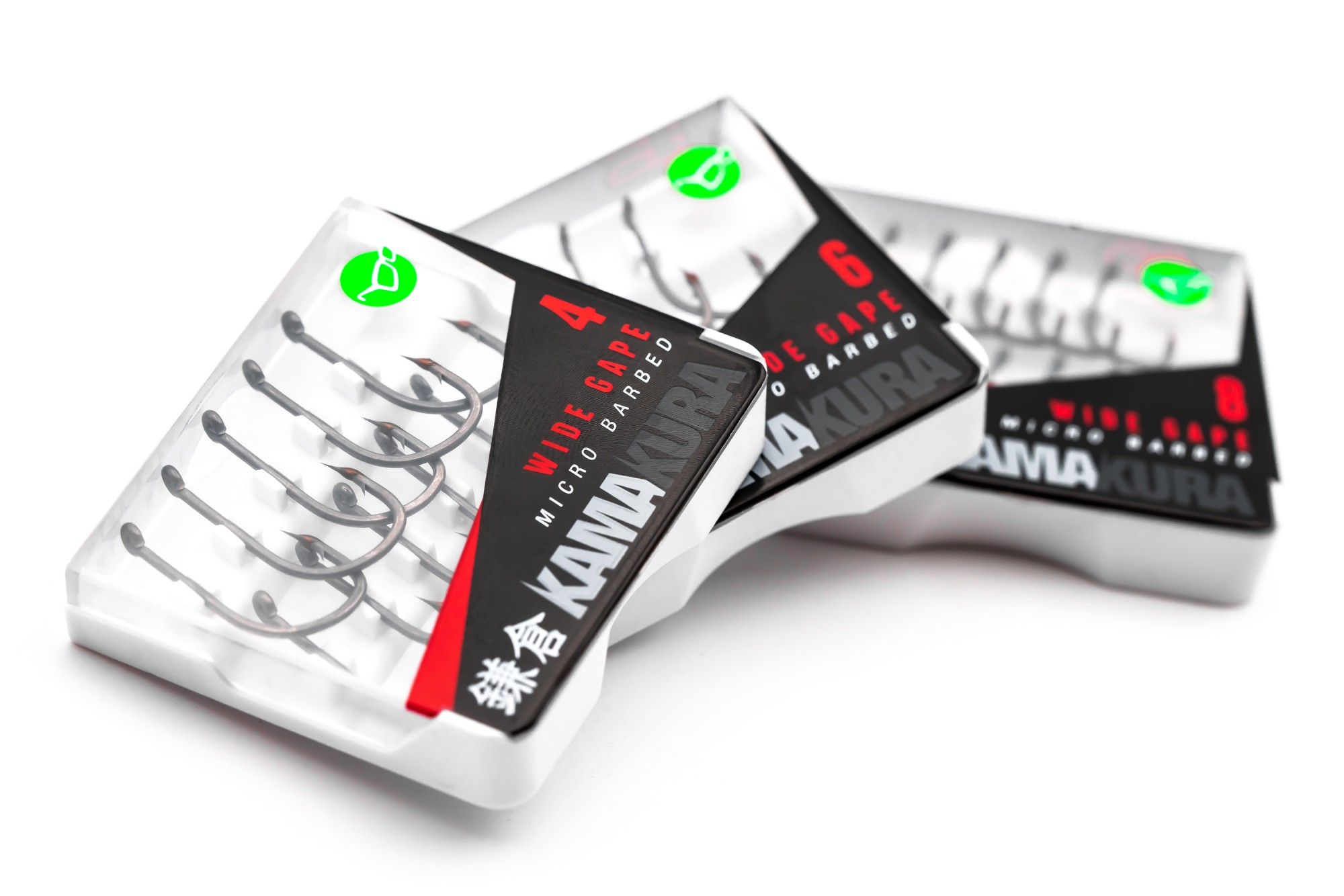
Micro-barbed and barbless versions; sizes 4–8
A wide gape, subtly curved shank and fine needle point make the Trig-Hammer an interesting choice for Ronnie rigs and bottom-bait presentations. Just give that longer profile room to work.
- Available in sizes 4, 5, 6, 7 and 8.
- Micro-barbed and barbless versions available.
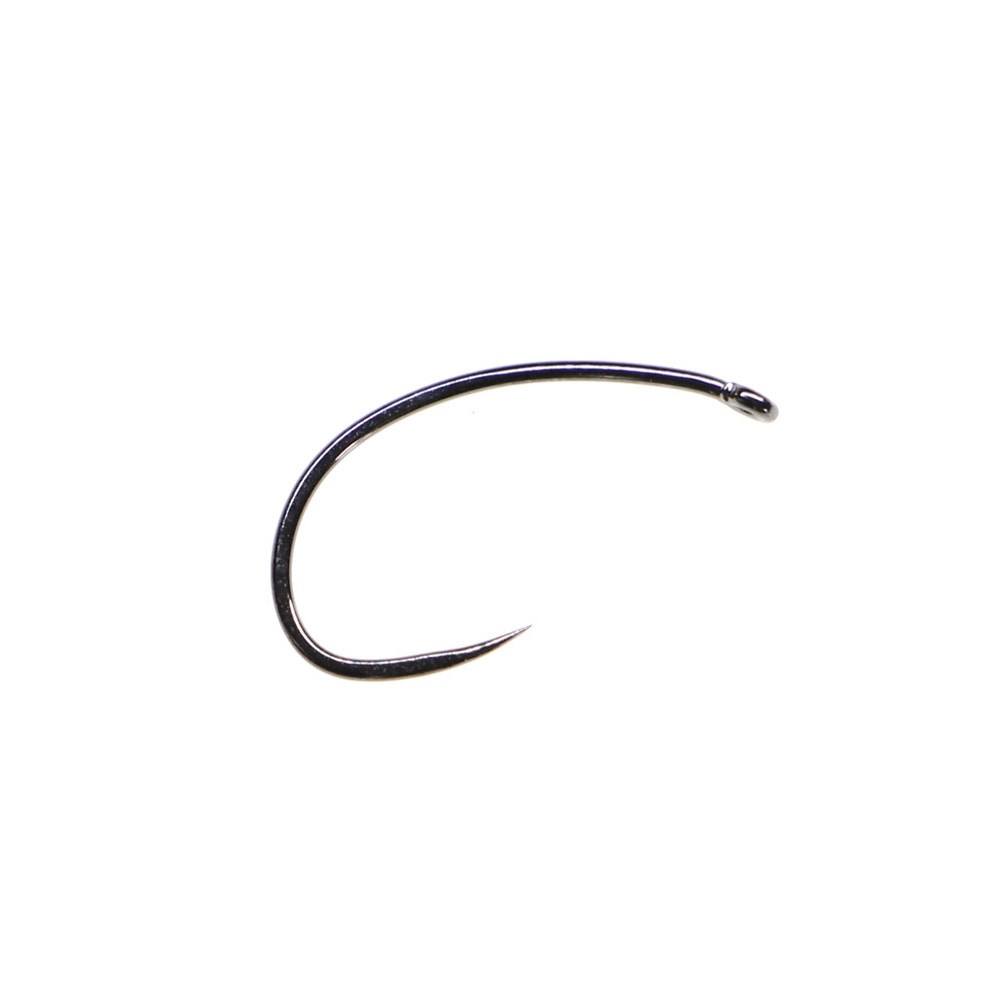
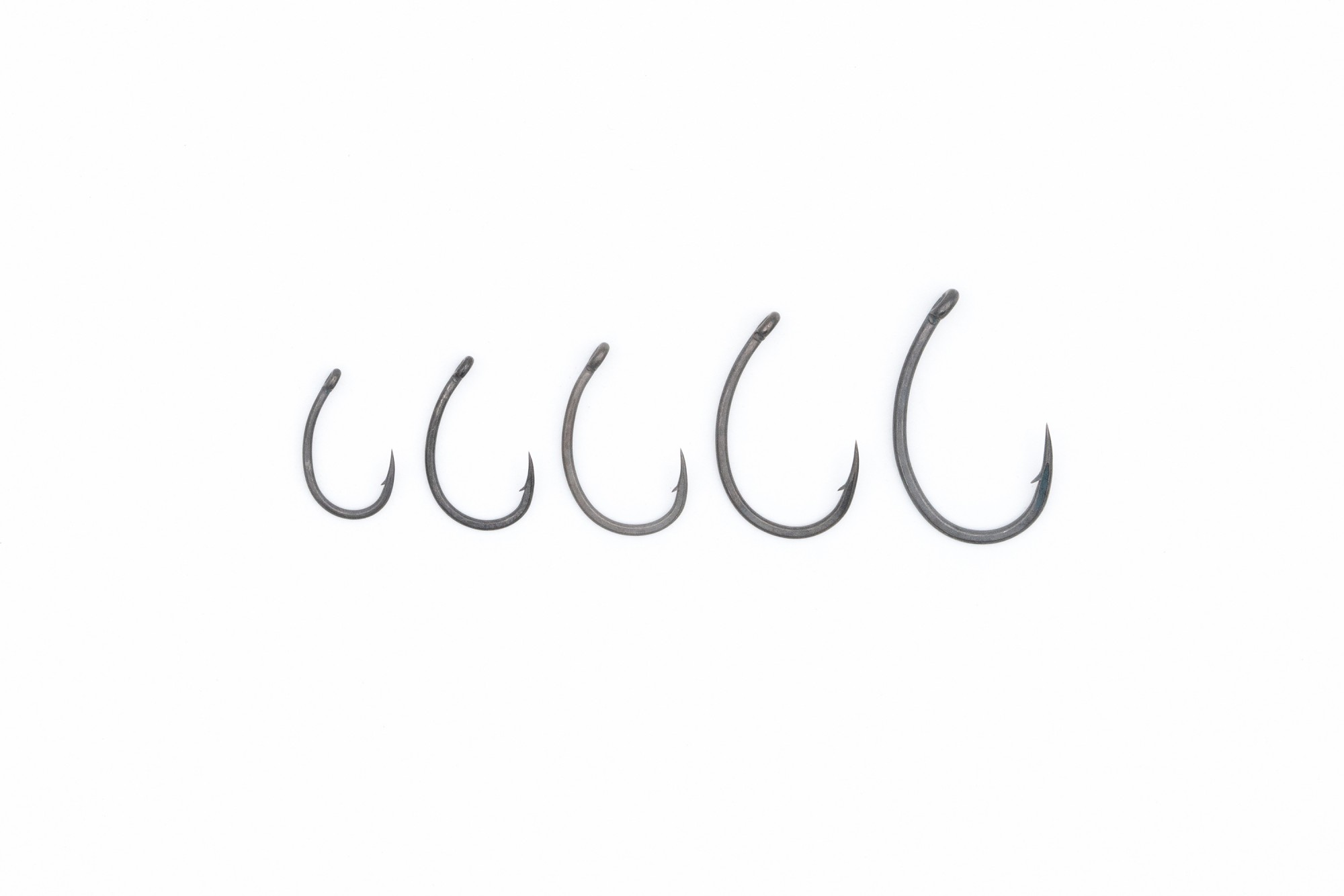
- Long, subtly curved shank with a wide gape and in-turned eye.
- Tufflon coating and cryogenic twin-tempering treatment.
Make sure it’s the right one. This is the ESP Cryogen Trig-Hammer long-shank pattern, with a subtly curved shank, wide gape and in-turned eye.
Tackle Index Score
Tackle Index score
A well-focused carp-hook pattern with useful size choices and clear applications; its real value depends on matching that longer shape to the complete rig.
- Product Quality9.1/10
- Performance9/10
- Impact on Fish Catching8.6/10
- Ease of Use8.6/10
- Value for Money8.6/10
If you buy through our links, we might get a small kickback, but it won’t cost you a penny extra. As an Amazon Associate I earn from qualifying purchases. The full story
Who it suits
Is it right for you?
Great for
- Carp anglers tying Ronnie rigs. It's a suitable long-shank option, provided the hookbait has enough buoyancy and the swivel connection moves freely.
- Bottom-bait anglers who like tuning their rigs. The shape and size range give you useful choices when matching hook, hair length and bait spacing.
Maybe skip if
- Anglers after a small general-purpose coarse hook. This is a specialist carp pattern, not the obvious choice for delicate float fishing with tiny baits.
- Anglers happy with a proven compact-hook presentation. The longer shank changes the rig's geometry, so it's not a straight swap with nothing else to consider.
The lowdown
Introducing the ESP Cryogen Trig-Hammer Hooks
A wide gape, subtly curved shank and fine needle point make the Trig-Hammer an interesting choice for Ronnie rigs and bottom-bait presentations. Just give that longer profile room to work.
- Available in sizes 4, 5, 6, 7 and 8.
- Micro-barbed and barbless versions available.
- Long, subtly curved shank with a wide gape and in-turned eye.
- Tufflon coating and cryogenic twin-tempering treatment.
Quick verdict
A cracking option when the pattern fits your rig
The Trig-Hammer makes plenty of sense if you want a long-shank hook for Ronnie rigs or bottom-bait work. Its wide gape and fine needle point give it a clear purpose, rather than just another name for the tackle box.
Buy it because the shape suits your presentation, not because a different hook promises to end a blank. Match the bait, check the point and leave the gape clear. That's where the useful stuff starts.
A well-focused carp-hook pattern with useful size choices and clear applications; its real value depends on matching that longer shape to the complete rig.
- Product Quality
- 9.1/10
- Performance
- 9/10
- Impact on Fish Catching
- 8.6/10
- Ease of Use
- 8.6/10
- Value for Money
- 8.6/10
The Tufflon coating, twin-tempering treatment and carefully defined hook profile make a convincing construction package.
The wide gape and long-shank geometry offer useful mechanics for compatible Ronnie and bottom-bait presentations.
The pattern can support an effective hooking arrangement, but bait balance, presentation and location still matter enormously.
It's straightforward for experienced rig tiers, though changing from a shorter pattern calls for fresh checks on spacing and balance.
It offers a sensible specialist-hook package if you need this shape, but replacing a suitable existing pattern brings no automatic gain.
Head to head
How it stacks up
Side by side with the closest kit we've reviewed. This updates as we add more reviews.
Top scorer
Scores are our own, out of 10. Best in each row is in green. Prices change, so check the latest before you buy.
The full rundown
Everything you'll want to know about the ESP Cryogen Trig-Hammer Hooks
Hooks aren't the glamorous bit of carp fishing, are they? Nobody's standing behind the rods admiring a packet of terminal tackle while the kettle boils. But when a carp picks up your hookbait, that little bit of metal suddenly matters more than most of the kit beside you. The ESP Cryogen Trig-Hammer is a long-shank pattern aimed squarely at that moment, with a subtly curved shank, wide gape and in-turned eye. It's a purposeful option for Ronnie rigs and bottom-bait work, rather than an all-round coarse hook.
The shape is the first thing to get your head around. A longer shank changes the relationship between the eye, bend and point, which affects how the hook behaves as the hooklink pulls tight. That gentle curve and in-turned eye are relevant to the turning action, but don't read that as a promise that every pick-up becomes a screaming take. Hooklink stiffness, bait position and the way the rig lands still matter. The useful question is whether this profile complements the presentation you actually want to fish.
For Ronnie-rig fans, there's obvious appeal here. The pattern is suitable for that arrangement, giving you another option when choosing how your pop-up presentation sits above the lakebed. The important bit is checking the complete setup, not tying something that merely looks tidy on your palm. Make sure the swivel connection can move properly and the bait has enough lift for the hook and attached components. A quick check in the margins, where you can see it clearly, is dead handy before committing it to your chosen spot.
Bottom-bait anglers have a reason to pay attention too. A wide gape gives you useful space to work with, but only if the bait and hair arrangement leave that space clear. Shove a chunky bait tight against the wrong part of the hook and you've made life harder for yourself. Start with sensible separation, look at how the bait moves around the bend, and adjust from there. Don't blindly copy the hair length from a shorter-shank pattern and assume everything will behave exactly the same once it's underwater.
ESP offers sizes 4, 5, 6, 7 and 8, which is a properly useful spread for carp presentations. The odd-numbered options are a nice touch when one size feels a bit much and the next usual step feels too small. There's no need to turn that into a rigid bait-size chart, though. A buoyant pop-up and a dense bottom bait ask different things of the finished rig. Choose with the whole arrangement in mind, including the room around the point, rather than buying a number because your mate always uses it.
The long, fine needle point is another key part of the package. A sharp point matters, obviously, but it also deserves a bit of care rather than blind faith once the rig has been cast. Check it before use and again after a retrieve, especially when you've dragged across gravel or picked up debris. If it looks rolled or feels suspect, sort it before casting again. That's not exciting bank chat, granted, but it's a better habit than leaving a questionable hook out through the best bite-time of the day.
You also get a Tufflon coating and ESP's cryogenic twin-tempering treatment. Those are genuine parts of the hook's construction, though neither should be treated as permission to ignore wear or pull harder than the situation allows. There's a choice of micro-barbed and barbless versions as well, so check the ticket before buying. A micro-barb isn't a loophole on a barbless-only water. Keeping the right version in a clearly marked compartment saves a surprising amount of faff when you're tying rigs and trying to get the rods sorted.
The sensible buying case is pretty straightforward: choose the Trig-Hammer when you want this particular long-shank shape, not because swapping hooks sounds like a shortcut out of a blank. It offers useful rig options and enough size choice to fine-tune things without making the tackle box ridiculous. If your current compact pattern already works with your bait and hooklink, there's no urgent reason to bin it. But for anglers deliberately building a Ronnie or bottom-bait presentation around a longer hook, this is a proper contender.
Specifications
The nuts and bolts
- Sizes
- 4, 5, 6, 7 and 8
- Barb options
- Micro-barbed and barbless
- Pattern
- Long, subtly curved shank; wide gape; in-turned eye
- Point
- Long, fine needle point
- Coating
- Tufflon
- Treatment
- Cryogenic twin-tempering process
Specs checked with ESP, Oct 2026.
Spot a model or spec change?
Our take
Think about the whole rig, not just the point
The longer, subtly curved shank is the main reason to choose this pattern. Combined with the in-turned eye, it influences how the hook sits and turns as the hooklink tightens.
That doesn't mean piling on extra tubing or an aggressive kicker. Build a tidy presentation first, then check the finished rig in water before giving it the big chuck.
The hook itself
Closer look: the shape does the talking
What you're buying is a distinct carp-hook profile: long shank, subtle curve, wide gape and an in-turned eye. The long needle point completes that shape. These features work as a package, so judging it purely by hook size misses the point. Compare the actual profile with your bait and rig components before deciding it's the right fit.
Tufflon coating and cryogenic twin-tempering are part of the construction. They don't remove the need for normal hook care. Keep unused hooks secure and dry, inspect a rig after retrieving it, and don't let a tidy-looking coating distract you from checking the very tip.
Worth knowing. Changing the hook on a Ronnie rig can change its balance. Even if you're using your usual pop-up, check the complete arrangement again. You want controlled settling and free movement, not a bait struggling to support the hardware.
Your kind of fishing
Who it suits: carp anglers who pay attention to rig details
This makes most sense for anglers who already know why they want a longer-shank hook. If you tie Ronnie rigs or like adjusting bottom-bait presentations, there's plenty to work with here. Sizes 5 and 7 are particularly handy when you want a smaller change rather than jumping between the usual even-numbered sizes.
It's less compelling if you're simply replacing a compact hook in a settled rig and don't want to revisit anything else. Bait spacing, any kicker and hooklink behaviour all deserve another look. Nor is this the hook to reach for when you're fishing tiny maggot baits under a light float. Different job, different tool, mate.
On value, focus on getting the correct pattern and version rather than treating hooks as the place to save every last penny. Equally, there's no sense buying a stack of sizes you won't use. Start with the size that suits your regular presentation and keep the rest of the rig sensible.
Before you tie up
FAQs in full: rigs, rules and sizing
Can you use them for Ronnie rigs? Yes, this pattern is suitable. Use compatible rig components and check that the hook can move as intended without a sleeve jamming the connection. Then check buoyancy in water. For bottom-bait rigs, give the hair and bait spacing the same attention rather than assuming the longer shank does all the work.
Are they barbless? There's a barbless version as well as a micro-barbed version. Buy whichever your venue permits and check the packet before tying up. If rules are unclear, ask the fishery rather than guessing; that's a much easier conversation before you've got a fish in the net.
What sizes can you get, and which should you choose? The range runs through 4, 5, 6, 7 and 8. There's no universal winner. Look for a proportionate match to your hookbait, a clear gape and, with buoyant presentations, enough lift for the completed arrangement. A bigger hook isn't automatically better for a bigger carp.
On paper
Pros & cons
What we like
- Useful long-shank pattern for Ronnie rigs and bottom-bait presentations.
- Wide gape gives scope to keep the hooking area clear of the bait.
- Sizes 5 and 7 offer handy steps between the usual even-numbered options.
- Choice of micro-barbed or barbless to suit fishery rules.
- Long, fine needle point puts sharpness at the heart of the design.
Worth knowing
- The longer profile won't suit every compact presentation or small hookbait.
- The fine point needs checking after contact with gravel, snags or fish.
- Changing to this pattern can mean rethinking bait spacing and rig balance.
Want one?
Add it to your Wanted list or join a Group Buy — shops see anonymous totals only.
Your questions answered
What anglers want to know
The stuff you’d ask your mate on the next peg. Straight answers, no waffle.
01Can you use Trig-Hammers on Ronnie rigs?
Can you use Trig-Hammers on Ronnie rigs?
Yes. They're suitable for Ronnie rigs. Check that the swivel connection moves freely, any sleeve stays clear of moving parts, and the pop-up supports the finished hook arrangement.
02Are they available barbless?
Are they available barbless?
Yes. Both barbless and micro-barbed versions are available. Pick the version allowed by your fishery; a micro-barb still counts as a barb.
03Which sizes are available?
Which sizes are available?
Sizes 4, 5, 6, 7 and 8. Choose around the bait and complete presentation rather than assuming one hook size suits every Ronnie or bottom-bait rig.
What anglers say
The word from the bank
Our read: a cracking option when the pattern fits your rig. The strongest reasons to choose it are useful long-shank pattern for ronnie rigs and bottom-bait presentations. and wide gape gives scope to keep the hooking area clear of the bait.; the main trade-off is the longer profile won't suit every compact presentation or small hookbait..
Our take on the feedback
Why it appeals
Checked Sept '26 — “Useful long-shank pattern for Ronnie rigs and bottom-bait presentations.”
Best fit
Checked Sept '26 — “Carp anglers tying Ronnie rigs: It's a suitable long-shank option, provided the hookbait has enough buoyancy and the swivel connection moves freely.”
Worth knowing
Checked Sept '26 — “The longer profile won't suit every compact presentation or small hookbait.”
Tackle Index’s take from the product details and fishing fit we checked. We haven’t found enough independent public feedback to call this an angler consensus yet.
Angler score
What our readers rate ESP Cryogen Trig-Hammer Hooks
No angler score yet — nobody's reviewed ESP Cryogen Trig-Hammer Hooks here. Be the first and get the score started.
Owner reports
Own this? Help the next angler.
Quick multiple-choice reports from people who say they own the ESP Cryogen Trig-Hammer Hooks. Not verified purchases, and kept separate from our score.
No owner reports yet.
Alternatives & go-withs