Photos: Fox Rage · supplied retailer imagery
Predator tackle · Spinning reels · Our take
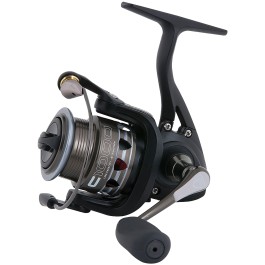
Fox Rage Prism Spinning Reel
Range overview: C1000, C2500 and C4000
Three sizes, sensible weights and a straightforward predator-fishing brief. The Prism makes most sense when you match it to your rod and lures, rather than automatically buying the biggest.
- C1000: 205g, 5.6:1 gearing and 150m of 0.18mm line capacity.
- C2500: 240g, 5.1:1 gearing and 150m of 0.22mm line capacity.
- C4000: 260g, 5.1:1 gearing and 150m of 0.28mm line capacity.
- All three list 6+1 ball bearings, anti-reverse and a balanced rotor profile.
Make sure it’s the right one. This covers the Fox Rage Prism spinning reel in all three sizes. Weights, gearing and line capacities differ, so check the size when ordering.
Tackle Index Score
Tackle Index score
A useful-looking everyday spinning range, with size choice its strongest selling point. Scores reflect the listed package; value depends on the asking price.
- Product Quality8.3/10
- Performance8.4/10
- Impact on Fish Catching7.7/10
- Ease of Use8.8/10
- Value for Money7.7/10
If you buy through our links, we might get a small kickback, but it won’t cost you a penny extra. As an Amazon Associate I earn from qualifying purchases. The full story
Who it suits
Is it right for you?
Great for
- Perch anglers building a lighter lure outfit. The 205g C1000 is the obvious size to consider when keeping the outfit compact matters.
- Roving predator anglers choosing a general-purpose outfit. The C2500 and C4000 offer two useful weight and capacity options without a huge jump between them.
Maybe skip if
- Dedicated big-bait pike anglers. Large lures and repeated heavy loading call for confirmed drivetrain and drag suitability, not simply the largest Prism size.
- Buyers needing a precise high-speed retrieve. The listed gearing doesn't establish line pickup per handle turn, so it can't settle that particular buying decision.
The lowdown
Introducing the Fox Rage Prism Spinning Reel
Three sizes, sensible weights and a straightforward predator-fishing brief. The Prism makes most sense when you match it to your rod and lures, rather than automatically buying the biggest.
- C1000: 205g, 5.6:1 gearing and 150m of 0.18mm line capacity.
- C2500: 240g, 5.1:1 gearing and 150m of 0.22mm line capacity.
- C4000: 260g, 5.1:1 gearing and 150m of 0.28mm line capacity.
- All three list 6+1 ball bearings, anti-reverse and a balanced rotor profile.
Quick verdict
A sensible shortlist for everyday lure fishing
The Prism offers three useful steps in size, from the 205g C1000 to the 260g C4000. For mixed lure fishing, the C2500 is the natural starting point; go smaller or larger when your outfit gives you a reason.
The balanced rotor design, anti-reverse and 6+1 bearing layout make a sensible package on paper. Just don't mistake a bearing count for a guarantee of refinement, or a C4000 badge for heavy-duty pike credentials.
A useful-looking everyday spinning range, with size choice its strongest selling point. Scores reflect the listed package; value depends on the asking price.
- Product Quality
- 8.3/10
- Performance
- 8.4/10
- Impact on Fish Catching
- 7.7/10
- Ease of Use
- 8.8/10
- Value for Money
- 7.7/10
The balanced rotor design and 6+1 bearing layout make a sensible package without establishing premium build quality.
Three weight and capacity options give the range useful scope for matching ordinary lure-fishing outfits.
A well-matched reel supports line control, but finding predators and presenting the lure properly remain the bigger factors.
The straightforward spinning format and three clearly differentiated sizes keep the choice fairly fuss-free.
The feature set gives it a reasonable place on the shortlist, provided the asking price compares favourably with similar reels.
Head to head
How it stacks up
Side by side with the closest kit we've reviewed. This updates as we add more reviews.
Fox Rage
Fox Rage Prism Spinning Reel (this one)
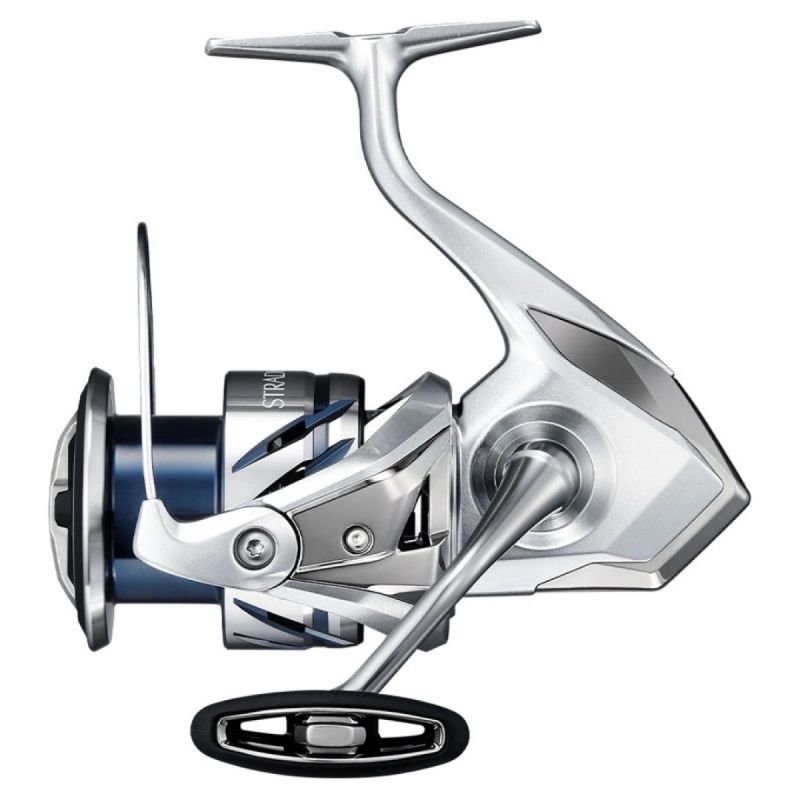
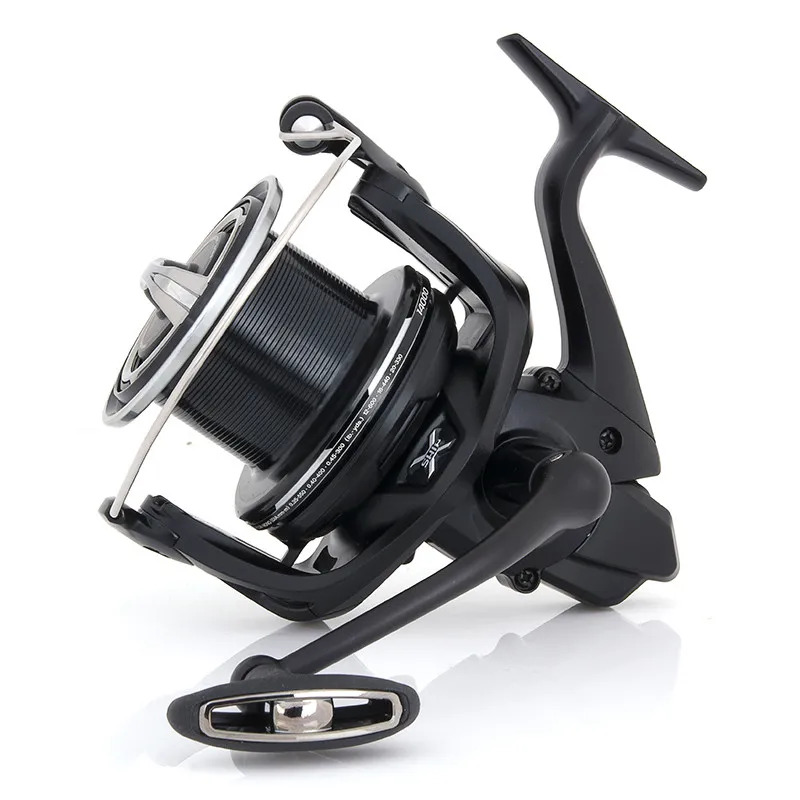
Top scorer
Top scorer
Scores are our own, out of 10. Best in each row is in green. Prices change, so check the latest before you buy.
The full rundown
Everything you'll want to know about the Fox Rage Prism Spinning Reel
The Fox Rage Prism is one to look at when you're putting together a predator outfit and want the reel size to make sense, rather than just look the part. There are three versions here: C1000, C2500 and C4000. That's a useful spread for anglers moving between lighter perch fishing and more substantial spinning outfits. The trick isn't picking the biggest because you fancy a lump. It's choosing the one that suits your rod, your line and the lures you'll actually be chucking.
Start at the little end. The C1000 weighs 205g and holds 150m of 0.18mm line. For a short, light lure rod working small shads or other modest perch offerings, that's the obvious Prism to consider first. Keeping unnecessary weight out of an outfit makes sense when you're repeatedly casting, twitching and moving swims. You still need to check the balance with your particular rod, mind. A lighter reel isn't automatically a better-balanced reel, especially if the rod carries plenty of weight towards the tip.
The C2500 looks the natural middle-ground choice. It weighs 240g, with capacity listed at 150m of 0.22mm line, so you're getting more room for line without jumping straight to the largest version. If your fishing is a mixture of canal perch, river sessions and general lure work, this is where I'd start the shortlist. Not because a size label magically covers every job, but because it sits between the compact option and the extra capacity of the C4000. Dead handy when you're choosing one outfit rather than several.
Step up to the C4000 and weight rises to 260g, while capacity becomes 150m of 0.28mm line. That's only 20g more than the C2500, which makes the larger version worth a look if line capacity is your sticking point. It could also be the better match beneath a more substantial rod. Don't read that as permission to bolt it onto any big-bait pike setup, though. Repeatedly hauling hefty lures asks different questions of a reel than ordinary spinning, and size alone doesn't answer them.
Gearing needs a quick bit of untangling, because it's easy to get this wrong. The C1000 has a 5.6:1 ratio; the C2500 and C4000 both use 5.1:1. Those numbers describe rotor turns for each turn of the handle, not the length of line coming back onto the spool. Spool dimensions and fill level matter too. So don't buy the C1000 purely because the higher number sounds quicker. For working a shad along a drop-off, controlling your retrieve and keeping contact matter more than winning a numbers contest.
Across all three sizes, you get a listed 6+1 ball-bearing layout and anti-reverse. There's also a balanced rotor profile designed to eliminate rotor wobble. That's a sensible design aim for a reel doing repeated retrieve work; unwanted movement is hardly welcome when you're trying to fish neatly. Still, bearing count isn't a shortcut to knowing everything about a reel's quality. How the whole assembly works together matters. Treat these features as useful parts of the package, rather than a promise that every turn will feel like expensive kit.
On the bank, line management deserves as much attention as the reel choice. If you're using braid, put it on under steady tension and make sure it can't slip around the spool. After a cast, close the bail by hand and take up loose line before winding properly. That little routine helps avoid feeding slack loops onto the spool, particularly when you're twitching lures with plenty of pauses. And if pike are a realistic prospect, use a suitable bite-resistant trace. A perch-sized lure doesn't stop a pike having a cheeky go.
So where does the Prism leave you? With a fairly straightforward choice, thankfully. C1000 for keeping things compact, C2500 as the middle-ground starting point, and C4000 when the outfit benefits from extra capacity. Check the actual size on the listing, compare the asking price with equivalent reels, and keep some budget for decent line and the right terminal tackle. No reel puts predators on the munch. What you want is a sensible partner for the rod, leaving you free to concentrate on depth, pace and finding fish.
Specifications
The nuts and bolts
- Models
- C1000: NRL013; C2500: NRL014; C4000: NRL015
- Weight
- C1000: 205g; C2500: 240g; C4000: 260g
- Gear ratio
- C1000: 5.6:1; C2500 and C4000: 5.1:1
- Line capacity
- C1000: 150m/0.18mm; C2500: 150m/0.22mm; C4000: 150m/0.28mm
- Bearings and anti-reverse
- 6+1 ball bearings; anti-reverse fitted
- Rotor
- Balanced profile designed to eliminate rotor wobble
Specs checked with Fox Rage, Oct 2026.
Spot a model or spec change?
Our take
Buy for the outfit, not the biggest fish you fancy
A light perch rod and a beefier predator rod don't want the same reel hanging underneath them. The useful bit here is the choice: three sizes with clearly different weights and line capacities.
Start with your rod, lure weights and required line strength. Then choose the Prism that fits. That's a better route than buying extra capacity you'll never use.
The reel range
Closer look: three sizes, three different fits
The clearest differences are weight and capacity. Moving from C1000 to C2500 adds 35g; moving from C2500 to C4000 adds another 20g. That makes the largest size a relatively small weight step from the middle option, but it doesn't make the two interchangeable. Your rod balance and line choice should still lead the decision.
The shared features are 6+1 ball bearings, anti-reverse and the balanced rotor profile. They're relevant to everyday retrieve work, but don't tell you everything about drag behaviour, resistance to wear or performance under heavy loads. Keep the buying decision tied to ordinary spinning duties rather than assuming specialist capabilities.
Worth knowing. The capacities are quoted against line diameter, not breaking strain. Two lines with the same stated strength can take up different amounts of spool space, especially when comparing braid with mono.
Choosing your outfit
Who it suits: anglers who match their kit to the job
For perch fishing with a light rod, shortlist the C1000 first. For a broader mix of lure work, start with the C2500 and ask whether you actually need the C4000's extra capacity. If possible, mount the reel on your intended rod before choosing. How the outfit sits in your hand matters more than saving a few grams in isolation.
It's a less straightforward recommendation for anglers buying specifically for huge pike lures or demanding a particular line-recovery speed. Those jobs need more than the figures here can establish. Likewise, don't buy extra reel just because your venue holds big fish; suitable line, sensible drag use and balanced tackle are the more useful starting points.
Quick answers
FAQs in full: size, speed and braid
Which size is the safest starting point? For mixed lure fishing, the C2500 is the middle option at 240g with 150m of 0.22mm capacity. Go down to the C1000 for a lighter, more compact outfit, or consider the C4000 if your chosen line and rod justify it. There's no universal winner, mate.
Does 5.6:1 mean the C1000 retrieves more line? Not necessarily. Its rotor turns more times per handle revolution than the 5.1:1 versions, but line pickup also depends on the spool. Without a confirmed recovery figure, calling it the fastest would be a guess.
What about braid? Match its strength to the lures, snags and fish you're targeting, rather than copying the quoted capacity diameter blindly. Use suitable backing where needed to prevent slip, load with steady tension and avoid overfilling. Check the first few metres regularly for damage, especially after fishing rocky edges or snaggy margins.
On paper
Pros & cons
What we like
- Three sizes let you match the reel to a light or more substantial lure outfit.
- The C1000 keeps reel weight down to 205g.
- C4000 adds line capacity for just 20g over the C2500.
- Balanced rotor profile is designed to reduce unwanted wobble.
Worth knowing
- The C1000's smaller line capacity makes it less flexible with thicker lines.
- No heavy-duty verdict can be drawn from size labels and bearing counts alone.
- Gear ratios alone don't tell you how much line each size retrieves per turn.
Want one?
Add it to your Wanted list or join a Group Buy — shops see anonymous totals only.
Your questions answered
What anglers want to know
The stuff you’d ask your mate on the next peg. Straight answers, no waffle.
01Which Fox Rage Prism size should I choose?
Which Fox Rage Prism size should I choose?
Consider the C1000 for a light perch outfit, the C2500 as the starting point for mixed lure fishing, and the C4000 when you need more line capacity or a better match for a larger rod. Let rod balance and line requirements decide.
02Is the C1000 faster than the bigger sizes?
Is the C1000 faster than the bigger sizes?
It has higher gearing: 5.6:1 against 5.1:1. That means more rotor turns per handle turn, but actual line pickup also depends on spool dimensions and how full the spool is.
03Can I use braid on the Prism?
Can I use braid on the Prism?
Braid is a normal choice for this sort of lure outfit. Follow the line maker's diameter guidance, secure it properly against spool slip and load it under steady tension. The quoted capacities aren't guaranteed braid capacities.
What anglers say
The word from the bank
Our read: a sensible shortlist for everyday lure fishing. The strongest reasons to choose it are three sizes let you match the reel to a light or more substantial lure outfit. and the c1000 keeps reel weight down to 205g.; the main trade-off is the c1000's smaller line capacity makes it less flexible with thicker lines..
Our take on the feedback
Why it appeals
Checked Sept '26 — “Three sizes let you match the reel to a light or more substantial lure outfit.”
Best fit
Checked Sept '26 — “Perch anglers building a lighter lure outfit: The 205g C1000 is the obvious size to consider when keeping the outfit compact matters.”
Worth knowing
Checked Sept '26 — “The C1000's smaller line capacity makes it less flexible with thicker lines.”
Tackle Index’s take from the product details and fishing fit we checked. We haven’t found enough independent public feedback to call this an angler consensus yet.
Angler score
What our readers rate Fox Rage Prism Spinning Reel
No angler score yet — nobody's reviewed Fox Rage Prism Spinning Reel here. Be the first and get the score started.
Owner reports
Own this? Help the next angler.
Quick multiple-choice reports from people who say they own the Fox Rage Prism Spinning Reel. Not verified purchases, and kept separate from our score.
No owner reports yet.
Alternatives & go-withs