Photos: Fulling Mill · supplied retailer imagery
Fly tying · All-purpose hooks · Our take
Fulling Mill All Purpose Medium Hooks
FM-1550 · All Purpose Medium
Wet flies, lightweight nymphs and selected dries all fit the brief here. The FM-1550 is a handy all-rounder, provided you don’t expect standard wire to do every specialist job.
- FM-1550 all-purpose fly-tying hook.
- Available in sizes 8, 10, 12 and 14.
- Packs contain 50 carbon-steel hooks.
- Suitable for wet flies, lightweight nymphs and dries including hoppers and shuttlecocks.
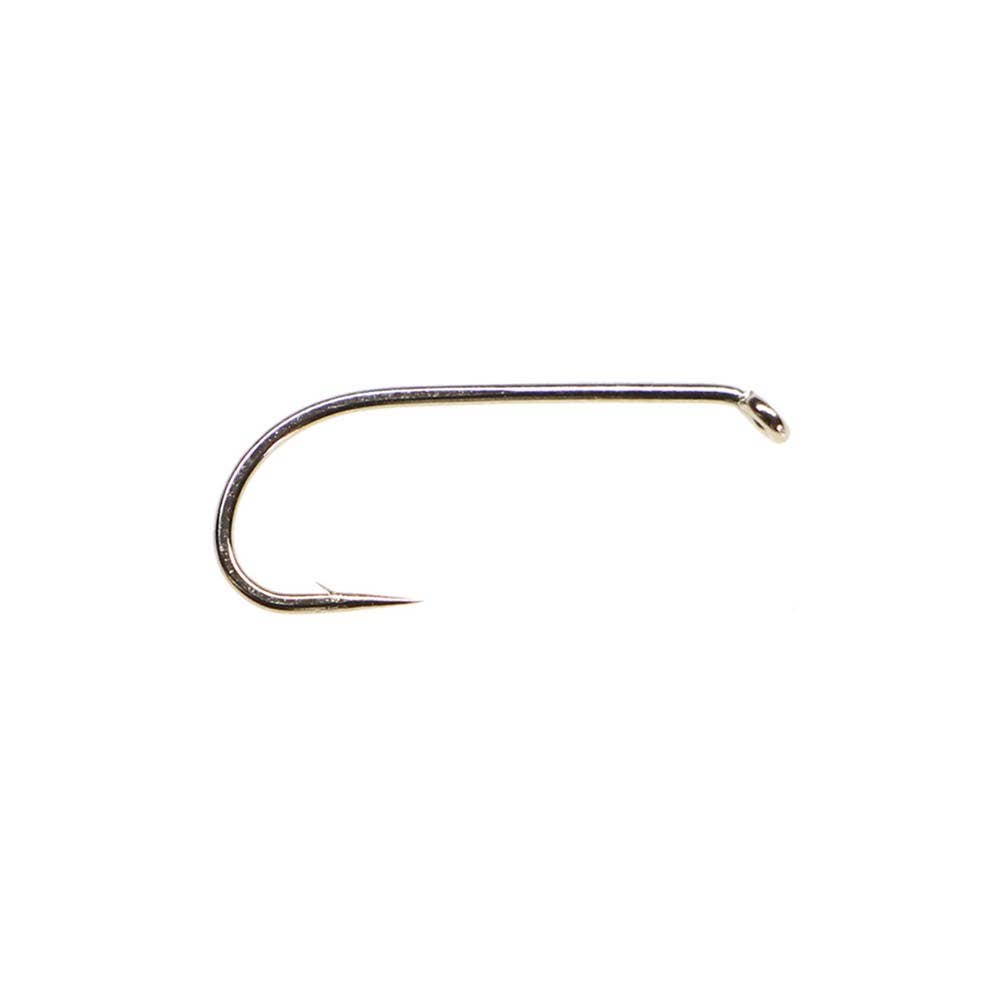
Make sure it’s the right one. This is Fulling Mill’s standard-wire, down-eye fly-tying hook with a sproat bend, bronzed finish and small barb. Packs contain 50 hooks.
Tackle Index Score
Tackle Index score
A useful general-purpose tying hook whose strongest points are versatility and straightforward design. These scores reflect its features and intended role, with value depending on the price you find and how many of its uses you need.
- Product Quality8.8/10
- Performance8.8/10
- Impact on Fish Catching8/10
- Ease of Use9/10
- Value for Money8.6/10
If you buy through our links, we might get a small kickback, but it won’t cost you a penny extra. As an Amazon Associate I earn from qualifying purchases. The full story
Who it suits
Is it right for you?
Great for
- Fly tyers building a mixed trout box. One hook family covers wet flies, lightweight nymphs and selected dries without loads of packet swapping.
- Beginners learning several traditional fly styles. A straightforward all-purpose shape lets you concentrate on proportions and tidy tying rather than a drawer full of specialist hooks.
Maybe skip if
- Anglers wanting purpose-made barbless hooks. These have small barbs; choosing a barbless model avoids an extra job and any uncertainty over venue rules.
- Tyers concentrating on highly specialised patterns. Tiny dries, jig nymphs and patterns needing particular wire weights or shapes deserve a more targeted hook.
The lowdown
Introducing the Fulling Mill All Purpose Medium Hooks
Wet flies, lightweight nymphs and selected dries all fit the brief here. The FM-1550 is a handy all-rounder, provided you don’t expect standard wire to do every specialist job.
- FM-1550 all-purpose fly-tying hook.
- Available in sizes 8, 10, 12 and 14.
- Packs contain 50 carbon-steel hooks.
- Suitable for wet flies, lightweight nymphs and dries including hoppers and shuttlecocks.
Quick verdict
A proper useful middle ground
The FM-1550 makes plenty of sense if your vice sees a mix of wet flies, lightweight nymphs, hoppers and shuttlecocks. It covers several familiar jobs without pushing you towards a different hook packet for every pattern.
The catch? All-purpose isn’t the same as universal. Delicate dries, specialist nymph shapes and particularly demanding fishing can call for something more specific. These also have small barbs, so check your fishery’s rules.
A useful general-purpose tying hook whose strongest points are versatility and straightforward design. These scores reflect its features and intended role, with value depending on the price you find and how many of its uses you need.
- Product Quality
- 8.8/10
- Performance
- 8.8/10
- Impact on Fish Catching
- 8/10
- Ease of Use
- 9/10
- Value for Money
- 8.6/10
Carbon-steel construction and chemically sharpened points make a sensible package for a general-purpose tying hook.
The standard-wire design covers its intended wet, lightweight nymph and selected dry-fly roles without pretending to replace specialist hooks.
It provides the foundation for useful patterns, but fly choice, presentation and point condition still matter more than the all-purpose label.
The conventional shape keeps tying straightforward, although small barbs add a preparation step where flattened barbs are required and accepted.
The 50-hook pack and broad range of uses offer a sensible value case for regular tyers, provided the asking price suits your budget.
Head to head
How it stacks up
Side by side with the closest kit we've reviewed. This updates as we add more reviews.
Fulling Mill
Fulling Mill All Purpose Medium Hooks (this one)
Top scorer
Scores are our own, out of 10. Best in each row is in green. Prices change, so check the latest before you buy.
The full rundown
Everything you'll want to know about the Fulling Mill All Purpose Medium Hooks
A hook that can handle more than one tying job is dead handy, especially when your bench is already disappearing under dubbing packets, feathers and half-used spools. Fulling Mill’s All Purpose Medium Hooks are built around that straightforward idea. The FM-1550 gives you a standard-wire, down-eye hook with a sproat bend, suitable for wet flies, lightweight nymphs and selected dries. No need to dress that up as something revolutionary, mate. The attraction is having a useful starting point for several flies you actually want in the box.
First, a quick steer for anyone arriving from the coarse-fishing side: these are fly-tying hooks, not a recommendation for your next hair rig or feeder hooklength. You’re buying bare hooks to dress at the vice. The available sizes are 8, 10, 12 and 14, and each pack contains 50. That gives you scope to tie a batch of a favourite pattern, knock up a few variations and still have hooks left for replacements. When a particular fly starts earning its place, having spares beats guarding your last one all afternoon.
The important word in the name is ‘Medium’, but the useful detail behind it is standard wire gauge. Think general-purpose rather than especially fine or deliberately heavy. That makes sense for a hook intended to move between subsurface flies and certain surface patterns. It doesn’t mean every dressing will behave the same way, though. Thread, ribbing, dubbing, hackle and any added weight all change the finished fly. A slim wet and a buoyant hopper tied on the same hook are still very different tools once they hit the water.
For wet flies and lightweight nymphs, the appeal is a conventional shape that doesn’t dictate an unusual body profile. You can focus on getting the dressing neat and the proportions right rather than working around a specialist bend. Keep the gape clear instead of burying everything under an enthusiastic mountain of material. We’ve all seen flies that look more like a feather duster than something a trout might eat. A useful habit is to stop halfway through and check whether the body really needs another turn of dubbing.
The dry-fly side needs a little more thought, and that’s where buying by the word ‘all-purpose’ alone can trip you up. Fulling Mill includes hoppers and shuttlecocks among the suitable uses. That’s useful versatility, not a promise that the hook will make anything float. Buoyant materials, dressing proportions and how you prepare the fly still matter. If your whole evening revolves around tiny, delicate dries, a dedicated fine-wire option may be a better starting point. For the listed dry styles in these sizes, though, this is a sensible hook to consider.
Construction is carbon steel with a bronzed finish, chemically sharpened points and small barbs. Those are practical details rather than a reason to switch your brain off once the fly is tied. Check the point after catching a branch, clipping a stone or dragging a fly through something it shouldn’t have visited. Also, don’t crowd the down eye with finishing wraps. Leaving room to thread your tippet sounds obvious at the vice, but it becomes a much bigger deal when the light’s fading and fish have finally started showing.
Those small barbs deserve a proper mention before you fill a fly box. These aren’t barbless hooks. If your venue requires barbless tackle, check whether it accepts flattened barbs or wants purpose-made barbless hooks. Where crushing is allowed, doing that before tying saves wasting a finished fly if you damage the hook during the job. It’s a small bit of preparation that cuts faff on the bank. Keep completed flies dry between trips too; a bronzed finish isn’t an excuse to shut wet flies away and forget about them.
So, who should have a packet on the bench? Someone tying a varied selection of familiar trout flies, rather than chasing one highly specialised style. The 50-hook quantity is useful if you tie regularly, although there’s little sense buying several sizes you’ve no plans to use. Start with the size your patterns need. The FM-1550’s strongest argument is simple: a conventional hook covering a decent spread of jobs. Choose it for that flexibility, keep specialist hooks for specialist work, and you’ve got a sensible way to organise your tying.
Specifications
The nuts and bolts
- Model
- FM-1550
- Sizes
- 8, 10, 12 and 14
- Pack size
- 50 hooks
- Shape
- Sproat bend with down eye
- Wire and finish
- Standard-gauge carbon steel with bronzed finish
- Point and barb
- Chemically sharpened point with small barb
Specs checked with Fulling Mill, Oct 2026.
Spot a model or spec change?
Our take
Fewer packets, more useful flies
The appeal is flexibility at the tying bench rather than a fancy feature. You can build several different fly styles around the same basic hook shape.
Standard wire sits between more specialised choices. That’s handy for a mixed fly box, but the finished dressing still decides how the fly floats, sinks and presents.
At the vice
Closer look: a familiar shape with a broad brief
The FM-1550 combines a sproat bend, down eye and standard-gauge carbon-steel wire. It’s a conventional foundation for dressing flies rather than a specialist jig or curved-body hook. The bronzed finish, chemically sharpened point and small barb round out the package. You get 50 hooks per pack, with sizes 8, 10, 12 and 14 listed.
Its useful trick is covering wet flies, lightweight nymphs and selected dries. That lets you tie different styles without changing the basic hook family. Don’t confuse that flexibility with identical presentation: added weight changes a nymph’s behaviour, while a hopper or shuttlecock needs an appropriate dressing to support it at the surface.
Worth knowing. If you’re adding a bead, check its fit on the actual hook before tying a batch. Hook size alone doesn’t guarantee a bead will pass around the bend neatly. There’s no point getting everything laid out only to find the first step is a faff.
Your fly box
Who it suits: mixed-pattern tyers, not every specialist
This is a sensible option for the trout angler who likes tying a range of patterns and keeping a few dependable spares. It also suits learners building confidence with body proportions, hackles and tidy heads. A general-purpose hook cuts down the number of choices you need to make before you can get on with tying.
It’s less compelling if nearly everything you tie needs a particular hook shape or wire weight. A standard-wire all-rounder isn’t a substitute for a jig hook, an especially fine dry-fly hook or a heavier model chosen for demanding work. Likewise, anyone tying much smaller imitations will need sizes outside this listed range.
Value comes from using that versatility, not simply counting hooks in the packet. Fifty is useful when you regularly replenish a pattern; less so if the packet stays buried in a drawer. Buy around the flies you fish, and choose purpose-made barbless hooks instead if that’s the simplest fit for your venues.
Quick answers
FAQs in full: patterns, barbs and sizes
What can you tie on them? Wet flies and lightweight nymphs are central to the brief, with hoppers and shuttlecocks among the suitable dry-fly uses. Match the dressing to the intended presentation. An all-purpose hook gives you options; it doesn’t remove the need to think about buoyancy, weight and keeping the gape clear.
Are they barbless? No, they have small barbs. Venue rules come first. If flattened barbs are accepted, crush them carefully and inspect the result before fishing. If the rule calls for purpose-made barbless hooks, pick those instead. Much simpler than having an awkward conversation once you’re set up.
Which sizes do you get, and how many? The listed options are sizes 8, 10, 12 and 14, supplied in packs of 50. Select the size for the pattern you’re tying. Hook numbering runs the opposite way to physical size here, so an 8 is larger than a 14.
On paper
Pros & cons
What we like
- Useful across several common wet, nymph and dry-fly styles.
- Standard wire makes a practical general-purpose tying option.
- Chemically sharpened points.
- 50-hook packs suit tying repeat patterns and spare flies.
Worth knowing
- Small barbs mean these aren’t ready-made barbless hooks.
- Standard wire won’t replace fine-wire dry hooks or heavier specialist options.
- The listed sizes don’t cover tiny flies below size 14.
Want one?
Add it to your Wanted list or join a Group Buy — shops see anonymous totals only.
Your questions answered
What anglers want to know
The stuff you’d ask your mate on the next peg. Straight answers, no waffle.
01What flies can you tie on the FM-1550?
What flies can you tie on the FM-1550?
Wet flies and lightweight nymphs are core uses. It also suits selected dry flies, including hoppers and shuttlecocks, with the dressing providing the buoyancy and profile.
02Are Fulling Mill All Purpose Medium Hooks barbless?
Are Fulling Mill All Purpose Medium Hooks barbless?
No. They have small barbs. Check the fishery rules before using them; where flattened barbs are accepted, crush the barb carefully and inspect it afterwards.
03What sizes and pack quantities are available?
What sizes and pack quantities are available?
The listed sizes are 8, 10, 12 and 14, with 50 hooks per pack. Choose the size for your intended fly rather than treating the pack as a mixed-size selection.
What anglers say
The word from the bank
Our read: a proper useful middle ground. The strongest reasons to choose it are useful across several common wet, nymph and dry-fly styles. and standard wire makes a practical general-purpose tying option.; the main trade-off is small barbs mean these aren’t ready-made barbless hooks..
Our take on the feedback
Why it appeals
Checked Sept '26 — “Useful across several common wet, nymph and dry-fly styles.”
Best fit
Checked Sept '26 — “Fly tyers building a mixed trout box: One hook family covers wet flies, lightweight nymphs and selected dries without loads of packet swapping.”
Worth knowing
Checked Sept '26 — “Small barbs mean these aren’t ready-made barbless hooks.”
Tackle Index’s take from the product details and fishing fit we checked. We haven’t found enough independent public feedback to call this an angler consensus yet.
Angler score
What our readers rate Fulling Mill All Purpose Medium Hooks
No angler score yet — nobody's reviewed Fulling Mill All Purpose Medium Hooks here. Be the first and get the score started.
Owner reports
Own this? Help the next angler.
Quick multiple-choice reports from people who say they own the Fulling Mill All Purpose Medium Hooks. Not verified purchases, and kept separate from our score.
No owner reports yet.
Alternatives & go-withs