Photos: Fulling Mill · product images found via web image search
Fly fishing · Traditional wet flies · Our take
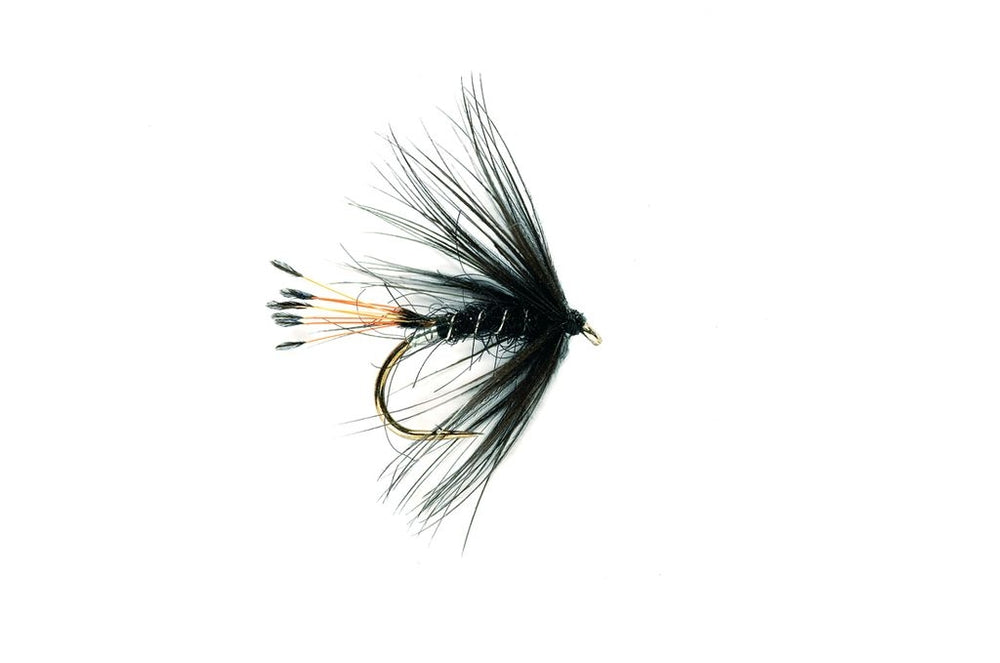
Fulling Mill Black Pennell
Black Pennell · Pattern 205
A compact, traditional wet for rainbow and brown trout, with a short-shank hook and a useful place in both river and stillwater fly boxes.
- Traditional wet fly for stillwater and river fly fishing.
- Intended targets include rainbow and brown trout.
- Tied with grade A hackles on a Fulling Mill Short Shank Special hook.
- Pattern 205; sold individually in listed sizes 8, 10, 12, 14 and 16.
Make sure it’s the right one. This is Fulling Mill’s traditional Black Pennell wet fly, not a spinning lure. Listed hook sizes run from 8 to 16.
Tackle Index Score
Tackle Index score
A useful traditional trout wet with a clearly defined hook design; its strength is versatility, not a promise of extra fish.
- Product Quality8.8/10
- Performance8.8/10
- Impact on Fish Catching8.3/10
- Ease of Use8.8/10
- Value for Money8.3/10
If you buy through our links, we might get a small kickback, but it won’t cost you a penny extra. As an Amazon Associate I earn from qualifying purchases. The full story
Who it suits
Is it right for you?
Great for
- Trout anglers building a traditional wet-fly selection. It adds a compact, dark pattern that can be presented alone or as part of a team.
- Fly anglers splitting their time between rivers and stillwaters. The pattern suits both settings, with size and presentation adjusted to the water.
Maybe skip if
- Anglers looking for a spinning lure. This is a dressed wet fly intended for fly-fishing presentations, not a spoon or plug.
- Anglers wanting a dedicated deep-water fly. A weighted pattern or a different line and leader arrangement is a more direct way to reach fish holding well down.
The lowdown
Introducing the Fulling Mill Black Pennell
A compact, traditional wet for rainbow and brown trout, with a short-shank hook and a useful place in both river and stillwater fly boxes.
- Traditional wet fly for stillwater and river fly fishing.
- Intended targets include rainbow and brown trout.
- Tied with grade A hackles on a Fulling Mill Short Shank Special hook.
- Pattern 205; sold individually in listed sizes 8, 10, 12, 14 and 16.
Quick verdict
A sensible little wet to keep in the box
The Black Pennell makes sense if you want a traditional, dark wet fly for river and stillwater trout. Fulling Mill’s short-shank hook gives it a compact body without reducing the gape to match a smaller hook.
It’s a useful option for a team of wets or a simple single-fly approach. Just don’t expect it to do the job of a weighted nymph or a big attention-grabbing streamer. Depth and presentation still need sorting, mate.
A useful traditional trout wet with a clearly defined hook design; its strength is versatility, not a promise of extra fish.
- Product Quality
- 8.8/10
- Performance
- 8.8/10
- Impact on Fish Catching
- 8.3/10
- Ease of Use
- 8.8/10
- Value for Money
- 8.3/10
Grade A hackles and the named Fulling Mill hook give this straightforward wet a sound component brief.
The compact wet-fly format offers useful presentation options on both rivers and stillwaters.
It adds a useful below-surface option, but depth, speed and feeding behaviour remain decisive.
It can be fished simply as a single fly without making a multi-fly setup compulsory.
Individual sales and broad trout-fishing usefulness support its value, though the asking price determines the final bargain.
Head to head
How it stacks up
Side by side with the closest kit we've reviewed. This updates as we add more reviews.
Fulling Mill
Fulling Mill Black Pennell (this one)
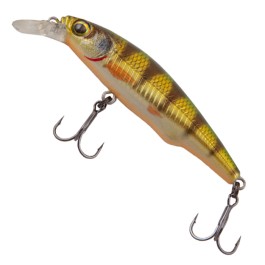
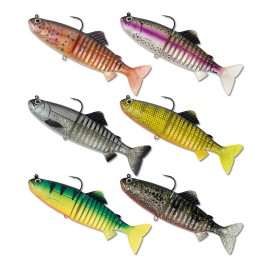
Top scorer
Scores are our own, out of 10. Best in each row is in green. Prices change, so check the latest before you buy.
The full rundown
Everything you'll want to know about the Fulling Mill Black Pennell
The Fulling Mill Black Pennell is a proper traditional wet fly, and that’s the first thing to get straight. Despite sitting in a broad lures category, this isn’t something you clip onto a spinning trace and chuck across the lake. It’s a trout fly for fishing below the surface, whether you’re working a team of wets on a stillwater or letting a fly travel through a river run. No flashy reinvention here, mate. Just a familiar pattern with a clear job in the fly box.
Its appeal is the straightforward idea behind a dark, compact wet. You don’t always need a big mouthful or something covered in sparkle to interest a trout. Sometimes a modest silhouette, carried at the right depth and speed, is the better starting point. The Black Pennell belongs in that conversation. Think of it as a general suggestive pattern rather than a promise to copy every insect on the water. Watching where fish are feeding still matters far more than choosing a fly because its name sounds reassuringly old-school.
The most useful detail on this particular version is the hook. Fulling Mill ties it on its Short Shank Special, hook code 31510. The gape is standard for the stated hook size, but the shank is one hook size shorter than standard. In plain bank talk, that means a shorter platform for the dressing without shrinking the whole hook down. It’s a tidy way of keeping the body compact. Don’t read that as a guaranteed hooking advantage, though; hook condition, leader control and how a fish takes all play their part.
Fulling Mill also specifies grade A hackles, which is a welcome detail on a traditional wet where the feather dressing is central to the pattern. Hackle helps create the fly’s outline and can respond to water moving around it. You don’t need to strip it back like you’re trying to start a lawnmower, either. On stillwater, a slow retrieve with small changes of pace is a sensible place to begin. Let the fish tell you whether they want it creeping along or travelling with a bit more purpose.
On a river, the current supplies plenty of movement for you. A controlled downstream-and-across presentation can let a wet swing through likely holding water, provided that approach suits the run and the local rules. Keep an eye on line tension rather than just firing another cast straight out. A fly skating across at the wrong speed is a different proposition from one travelling neatly through the flow. Shorter, manageable casts are often a better starting point than trying to cover the far bank before you’ve sorted what’s happening close in.
For stillwater fishing, it can sit within a team of wets, but there’s no need to make things complicated from the off. A single fly is easier to cast and manage if droppers are still giving you grief. Start with a setup that covers the layer where trout appear to be feeding, then alter the retrieve or depth with a bit of purpose. If the fish are well down, changing the line or choosing a weighted pattern may be more sensible than expecting this traditional wet to solve everything.
The listed sizes are 8, 10, 12, 14 and 16, so there’s useful scope to vary the overall presence of your fly. Remember that smaller hook numbers mean larger hooks, and that short shank affects how the dressed fly looks beside other patterns. Pick by the profile you want, not just the number on the label. It’s sold individually, which is dead handy for putting together a mixed selection. Grab a spare of any size you expect to lean on; losing your only one to a branch is properly annoying.
So, who should make room for it? A trout angler who likes straightforward, adaptable patterns rather than a box full of one-trick wonders. Rainbow and brown trout are its intended targets, and both river and stillwater use are part of the brief. It won’t replace your dries, deep nymphs or bigger streamers, and it doesn’t need to. The sensible case for the Black Pennell is much simpler: a compact traditional wet that gives you another useful presentation option when the fish are feeding below the surface.
Specifications
The nuts and bolts
- Pattern
- Black Pennell · Code 205
- Fly type
- Traditional wet fly
- Listed hook sizes
- 8, 10, 12, 14 and 16
- Hook
- Fulling Mill Short Shank Special · Code 31510
- Hook geometry
- Standard-size gape; shank one hook size shorter than standard
- Dressing and pack
- Grade A hackles; sold individually
Specs checked with Fulling Mill, Oct 2026.
Spot a model or spec change?
Our take
Small body, useful hook gape
The interesting bit here is the Fulling Mill Short Shank Special hook. Its shank is one hook size shorter than standard, while the gape remains standard for its stated size.
That gives you a compact dressing without simply stepping down the entire hook. It’s a practical detail when you want a modest fly profile, though it doesn’t automatically mean better hooking.
The fly
A traditional pattern with a compact hook platform
You’re buying one dressed Black Pennell wet fly, Fulling Mill pattern 205. The stated grade A hackles and named hook give you useful detail about what’s going into it, rather than leaving you with just a pattern name and a size.
The Short Shank Special is the standout practical feature. Its shorter shank keeps the body platform compact, while its standard-size gape remains that of the labelled hook size. Choose your size with the whole fly profile in mind, especially if you’re comparing it with longer-shanked wets.
Worth knowing. Hook size isn’t a measurement of the finished fly’s length. Different shank shapes and dressings can make two flies carrying the same size label look noticeably different.
On the water
For trout anglers who like to keep their options open
This is a sensible fit for anglers building a small, useful selection of traditional wets. You can fish it alone while getting your casting and line control sorted, then work it into a team where fishery rules allow. More flies aren’t automatically better if every other cast ends in a tangle.
It also suits anyone alternating between river brown trout and stillwater rainbows. The method changes with the venue: current can animate the fly on a river, while your retrieve takes on more of that job on stillwater. In either case, sort the depth before endlessly swapping patterns.
It’s less useful if your whole plan is built around getting a heavily weighted fly down quickly or pulling a large streamer. Keep the Black Pennell for the compact wet-fly role rather than asking it to cover every situation. Check local hook and multi-fly rules before setting up.
Quick answers
Sizes, setups and where to fish it
Is it a lure or a wet fly? It’s a traditional wet fly for fly-fishing presentations. Its listing under lures doesn’t make it a conventional casting lure for spinning tackle. Match it with a suitable fly line, leader and tippet rather than treating it like a tiny spoon.
What sizes can you choose? The listed sizes are 8, 10, 12, 14 and 16, sold individually. A small spread of sizes lets you alter the profile without abandoning the pattern. Add duplicates of the ones that suit your usual water so one snag doesn’t leave a gap in the box.
Where does it belong? Both rivers and stillwaters, with rainbow and brown trout among the intended targets. You can use it as a single fly or within a team where permitted. There’s no compulsory leader length or retrieve speed: wind, current, depth and the way trout are feeding should steer those decisions.
On paper
Pros & cons
What we like
- Useful across both river and stillwater trout fishing.
- Short shank keeps the dressing compact while retaining a standard-size gape.
- Listed size range gives you options for different fly profiles.
- Individual sales let you build a mixed selection without buying a full pack.
Worth knowing
- A traditional wet isn’t a direct replacement for a weighted fly when trout are holding deep.
- Less suited to deliberately bulky, highly conspicuous streamer presentations.
- Buying singles means remembering to order spares of your preferred size.
Want one?
Add it to your Wanted list or join a Group Buy — shops see anonymous totals only.
Your questions answered
What anglers want to know
The stuff you’d ask your mate on the next peg. Straight answers, no waffle.
01Is the Fulling Mill Black Pennell a lure or a wet fly?
Is the Fulling Mill Black Pennell a lure or a wet fly?
It’s a traditional wet fly. Although it may appear under a broad lures category, it’s intended for fly fishing rather than conventional spinning.
02Which sizes are listed, and is it sold in packs?
Which sizes are listed, and is it sold in packs?
Listed sizes are 8, 10, 12, 14 and 16. It’s sold individually, so you can mix sizes and add your own spares.
03Can you use it on both rivers and stillwaters?
Can you use it on both rivers and stillwaters?
Yes. It’s suitable for both, with rainbow and brown trout among its intended targets. Adapt your line, leader and presentation to the current, depth and fishery rules.
What anglers say
The word from the bank
Our read: a sensible little wet to keep in the box. The strongest reasons to choose it are useful across both river and stillwater trout fishing. and short shank keeps the dressing compact while retaining a standard-size gape.; the main trade-off is a traditional wet isn’t a direct replacement for a weighted fly when trout are holding deep..
Our take on the feedback
Why it appeals
Checked Sept '26 — “Useful across both river and stillwater trout fishing.”
Best fit
Checked Sept '26 — “Trout anglers building a traditional wet-fly selection: It adds a compact, dark pattern that can be presented alone or as part of a team.”
Worth knowing
Checked Sept '26 — “A traditional wet isn’t a direct replacement for a weighted fly when trout are holding deep.”
Tackle Index’s take from the product details and fishing fit we checked. We haven’t found enough independent public feedback to call this an angler consensus yet.
Angler score
What our readers rate Fulling Mill Black Pennell
No angler score yet — nobody's reviewed Fulling Mill Black Pennell here. Be the first and get the score started.
Owner reports
Own this? Help the next angler.
Quick multiple-choice reports from people who say they own the Fulling Mill Black Pennell. Not verified purchases, and kept separate from our score.
No owner reports yet.
Alternatives & go-withs