Photos: Fulling Mill · supplied retailer imagery
Fly fishing · Barbless hooks · Our take
Fulling Mill Competition Barbless Hooks
FM5095 Competition Heavyweight Barbless
The FM5095 Competition Heavyweight Barbless gives fly tiers a strong, standard-shank hook for subsurface patterns. Handy for filling a working trout box; less clever for delicate dries.
- FM5095 Competition Heavyweight Barbless fly-tying hook.
- 3X-strong construction with a standard-length straight shank.
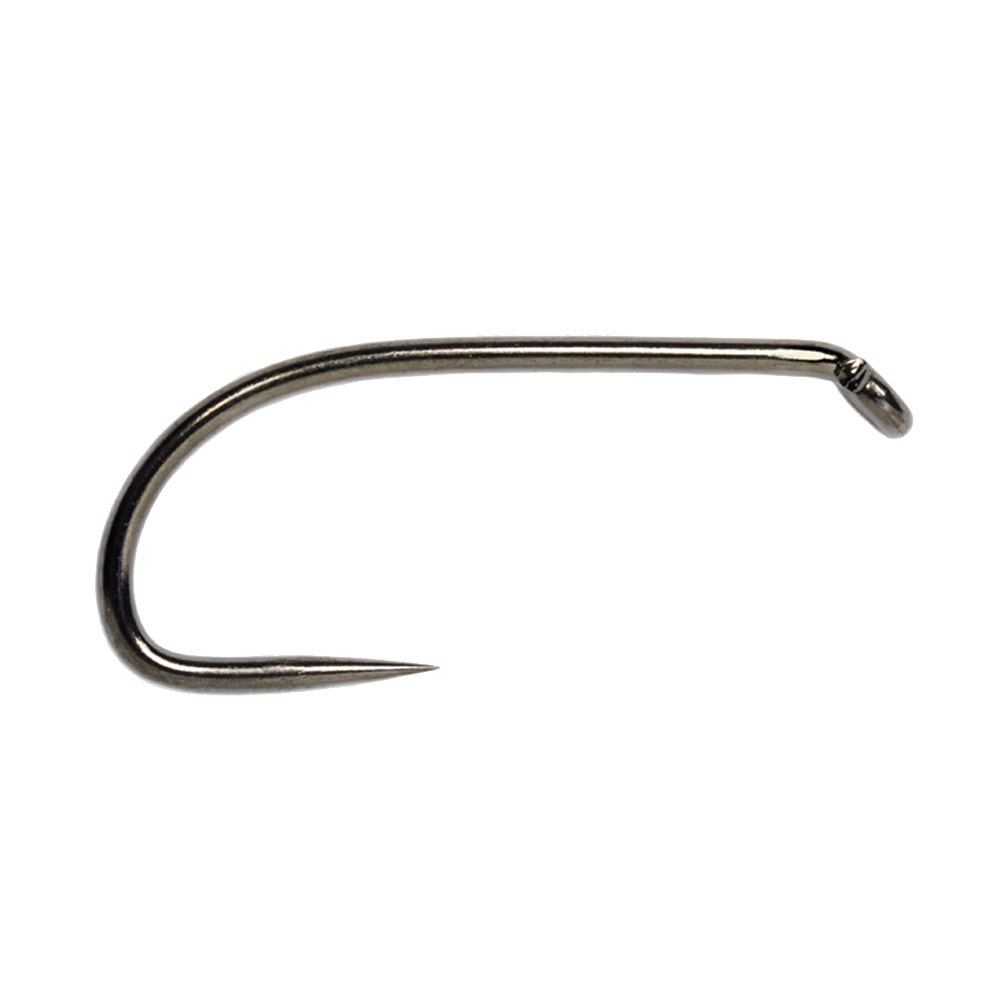
- Sproat bend, ample gape and downturned eye.
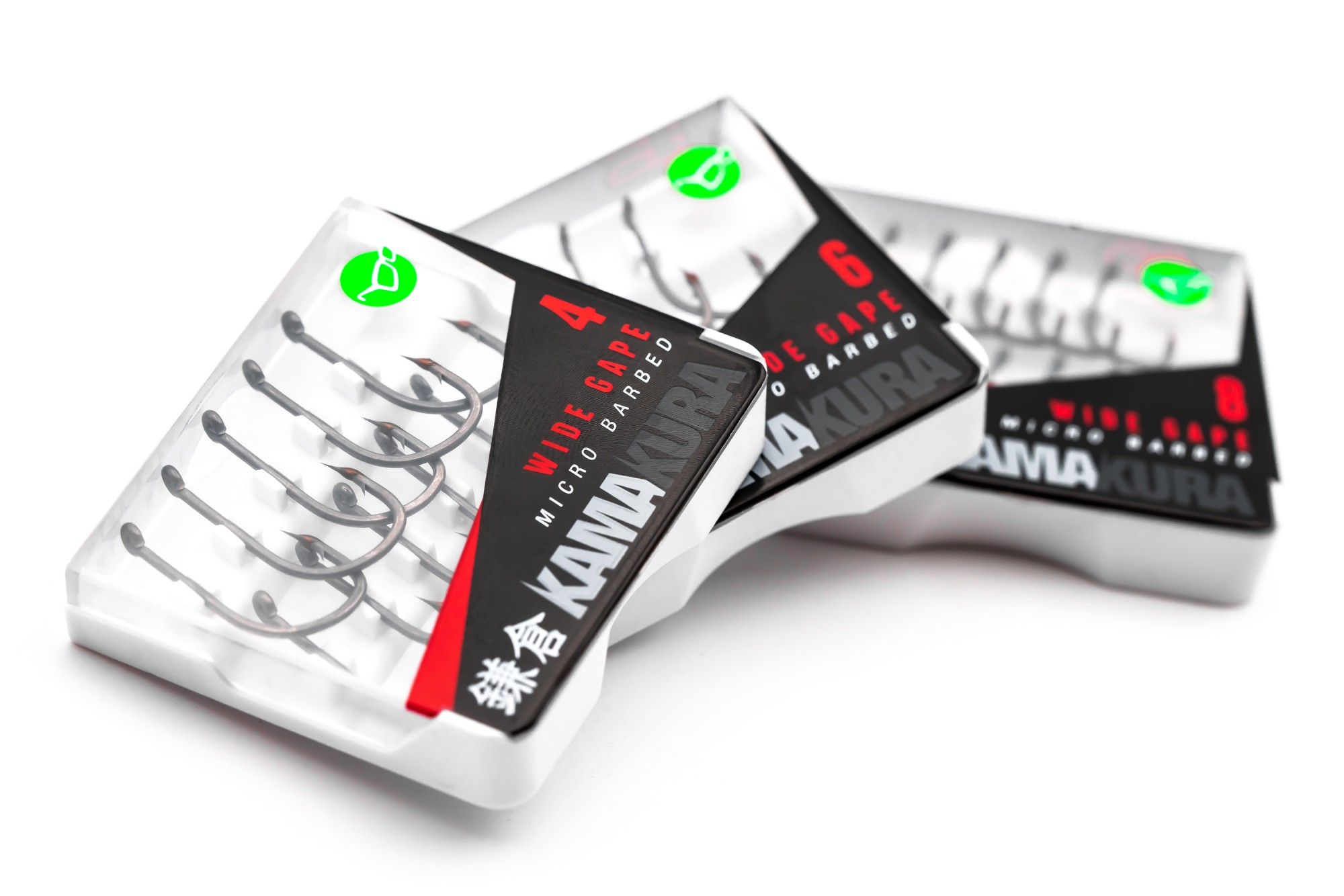
- Black nickel finish; sizes 6–16 in even sizes; 50 hooks per pack.
Make sure it’s the right one. This review covers the FM5095 Competition Heavyweight Barbless, rather than other Fulling Mill competition hook patterns.
Tackle Index Score
Tackle Index score
A well-focused heavyweight barbless option for conventional subsurface flies, with less appeal outside that role.
- Product Quality8.8/10
- Performance8.9/10
- Impact on Fish Catching8/10
- Ease of Use9.2/10
- Value for Money8.5/10
If you buy through our links, we might get a small kickback, but it won’t cost you a penny extra. As an Amazon Associate I earn from qualifying purchases. The full story
Who it suits
Is it right for you?
Great for
- Trout anglers tying wet flies and nymphs. The strong, conventional shape is a sensible starting point for plenty of subsurface dressings.
- Regular tiers building barbless fly boxes. Fifty hooks per pack makes batch tying straightforward, with no barbs to crush before fishing.
Maybe skip if
- Dry-fly anglers chasing delicate presentation. A lighter-wire hook is generally a better starting point when keeping a small fly afloat matters most.
- Tiers following specialist jig or long-shank recipes. The standard straight shank and downturned eye aren't a direct replacement for those shapes.
The lowdown
Introducing the Fulling Mill Competition Barbless Hooks
The FM5095 Competition Heavyweight Barbless gives fly tiers a strong, standard-shank hook for subsurface patterns. Handy for filling a working trout box; less clever for delicate dries.
- FM5095 Competition Heavyweight Barbless fly-tying hook.
- 3X-strong construction with a standard-length straight shank.
- Sproat bend, ample gape and downturned eye.
- Black nickel finish; sizes 6–16 in even sizes; 50 hooks per pack.
Quick verdict
A sensible foundation for hard-working trout flies
If you're tying wet flies and nymphs on a conventional straight shank, the FM5095 makes plenty of sense. You get 3X-strong construction, an ample gape and a purpose-made barbless design, with 50 hooks to keep the vice busy.
Just don't mistake heavyweight for do-everything. Delicate dries and specialist jig patterns want a different hook, and the strength rating isn't permission to bully fish on fine tippet.
A well-focused heavyweight barbless option for conventional subsurface flies, with less appeal outside that role.
- Product Quality
- 8.8/10
- Performance
- 8.9/10
- Impact on Fish Catching
- 8/10
- Ease of Use
- 9.2/10
- Value for Money
- 8.5/10
The 3X-strong construction and purpose-made barbless shape provide a solid foundation for its intended tying jobs.
The standard shank and ample gape suit conventional wet flies and nymphs, although heavyweight construction limits versatility.
A suitable hook underpins a useful fly, but presentation, depth and sound tackle matter more than the competition label.
Familiar proportions and no barbs to flatten keep tying and preparation straightforward.
The 50-hook format offers practical value for regular tiers, though the appeal depends on pack price and how many you need.
Head to head
How it stacks up
Side by side with the closest kit we've reviewed. This updates as we add more reviews.
Fulling Mill
Fulling Mill Competition Barbless Hooks (this one)
Top scorer
Scores are our own, out of 10. Best in each row is in green. Prices change, so check the latest before you buy.
The full rundown
Everything you'll want to know about the Fulling Mill Competition Barbless Hooks
A fly hook isn't the glamorous bit of the box, is it? You can spend ages getting a thorax looking bob on, then barely give the metal underneath a thought. But that's the bit doing the holding when a trout turns and gets going. Fulling Mill's FM5095 Competition Heavyweight Barbless is aimed squarely at that practical end of fly tying: a strong, conventional hook for dressings that belong beneath the surface. No need to be fishing a match to see the appeal, either.
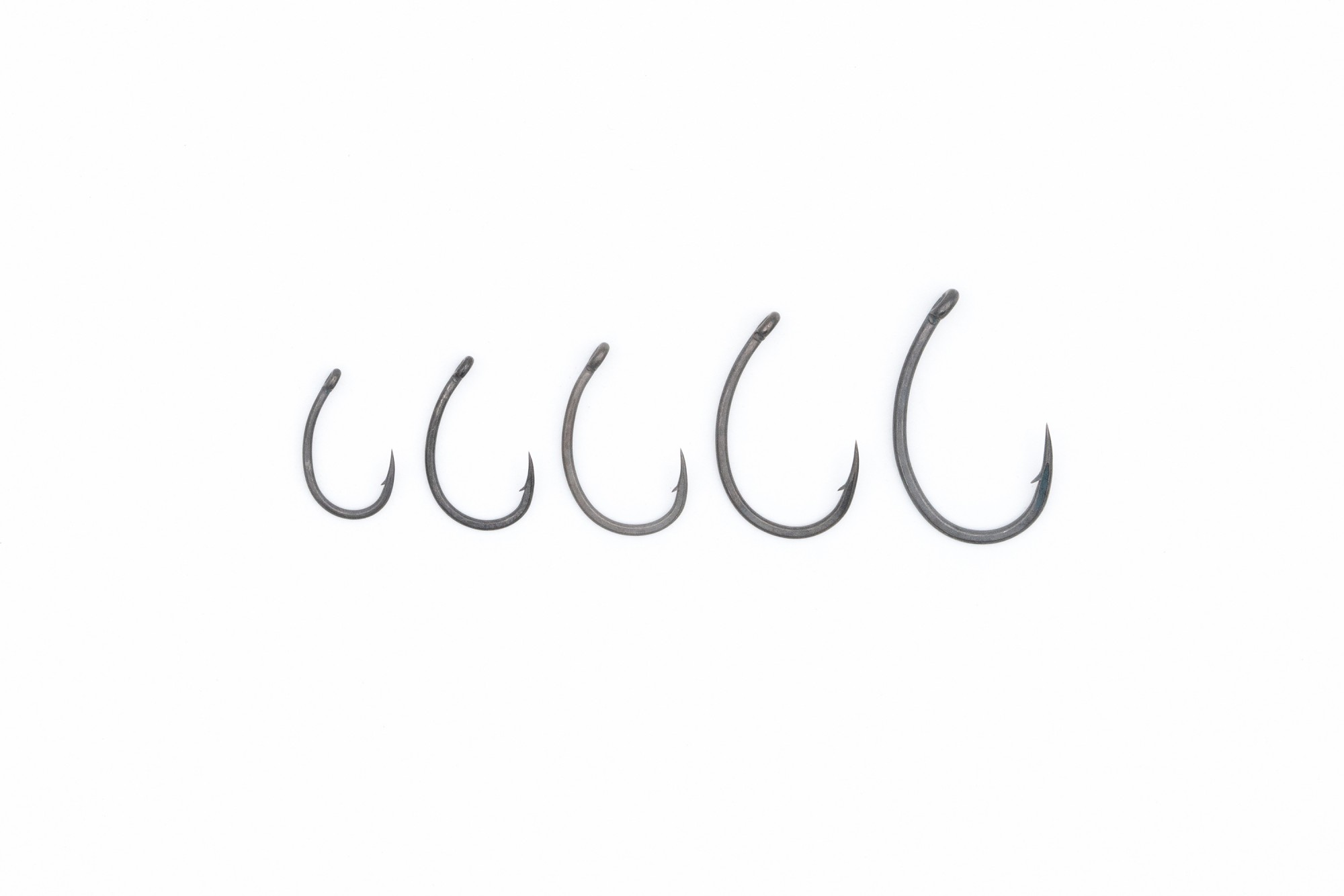
First, let's pin down which hook we're talking about. The Competition Barbless name is broad, but this one is the FM5095 Competition Heavyweight Barbless. It has a standard-length straight shank, a Sproat bend, a downturned eye and an ample gape. The finish is black nickel, and the construction is described as 3X strong. Those details give you a much clearer steer than the competition label alone. This is a heavyweight tying platform, not a fine-wire dry-fly hook with a fancy badge.
For your tying bench, that standard shank is the handy bit. Plenty of wet-fly and nymph dressings use a conventional straight foundation, so you're not immediately having to rethink body proportions around an exaggerated curve or extra length. You can build a neat abdomen, leave space for the thorax and finish behind the eye without making the whole thing an exercise in squeezing stuff in. Match it to a suitable recipe, though. Standard length doesn't mean every pattern in your tying book will suddenly fit.
The heavier construction makes most sense when floating the fly isn't your main concern. Think subsurface trout patterns rather than tiny dries sitting delicately in the film. Hook weight contributes to how a dressing behaves, but it doesn't decide fishing depth on its own. Your bead, any added weight, leader, current and retrieve all have a say. If fish are feeding deeper, simply reaching for a heavyweight hook isn't a magic shortcut. Get the whole setup working together and you'll be making a much more useful change.
That ample gape is welcome, particularly once you've added dubbing and a thorax. The trick is not to fill all that useful space with an oversized dressing. Keep checking the relationship between the body and point as you tie, rather than admiring the fly only from above. It's dead easy to get carried away with one more turn of material. A tidy, proportionate fly leaves the hook room to do its job, and an uncluttered eye saves a proper faff when you're changing flies with cold fingers.
Being barbless from the start also keeps things straightforward. There's no little production line of crushing barbs before you fill a row in the box, and removing the hook is generally simpler once the fish is under control. It doesn't mean handling stops mattering, mind. Have your net ready, keep handling brief and use steady pressure while playing fish. A sudden slack line isn't helpful with any hook. Equally, don't wind everything up tight just because the packet says heavyweight; your tippet still sets limits.
Sizes run through 6, 8, 10, 12, 14 and 16, which gives you room to tie a useful spread of conventional trout patterns. There are 50 hooks in a pack, making this a sensible format if you tie favourites in batches rather than knocking up one experimental fly and moving on. If you're only trying a new size, that quantity is more of a commitment. Pick the sizes your fishing actually needs, rather than buying the full run just because there's an empty drawer beside the vice.
The overall appeal is pretty straightforward, mate. You're buying a strong, purpose-made barbless hook with familiar proportions, not a promise of extra fish. It suits the angler who wants dependable-looking building blocks for a working subsurface fly box and knows why they're choosing a heavyweight pattern. If your next session is all about delicate dries or jig nymphs, choose the right hook for those instead. For conventional wets and nymphs that call for this shape, the FM5095 is a sensible one to put on the shortlist.
Specifications
The nuts and bolts
- Model
- FM5095 Competition Heavyweight Barbless
- Construction
- 3X strong; barbless
- Shape
- Sproat bend, standard-length straight shank and ample gape
- Eye and finish
- Downturned eye; black nickel
- Sizes
- 6, 8, 10, 12, 14 and 16
- Pack quantity
- 50 hooks
Specs checked with Fulling Mill, Oct 2026.
Spot a model or spec change?
Our take
Pick the hook for the fly, not the competition badge
The useful bit here is the combination of a standard-length shank and heavyweight construction. It gives you a familiar platform for subsurface dressings without needing an extended body.
Competition in the name doesn't make it competition-only kit. If your everyday trout fishing calls for barbless wet flies or nymphs, it's right in the conversation.
At the vice
Closer look: a conventional shape with extra backbone
The FM5095 pairs a standard-length straight shank with a Sproat bend and downturned eye. That's a familiar layout for traditional wet flies and plenty of nymph dressings. The ample gape is useful, but your tying still needs to leave clear space around the point. Heavy dubbing can swallow that advantage surprisingly quickly.
Black nickel is the stated finish, and each pack contains 50 hooks. For batch tying, sort your hooks into a tray and settle on body proportions before you get a dozen flies deep. Getting the first dressing right is much less faff than realising the whole row has crowded eyes.
Worth knowing. 3X strong is a hook-construction designation, not a stated breaking strain. Don't read it as a promise that you can apply three times the pressure. Tippet, knots and how you play the fish still matter.
Picking your pattern
Who it suits: wet-fly and nymph tiers first
This is a good fit if your trout box leans towards conventional subsurface patterns and you prefer barbless hooks from the off. The size selection lets you tie different body sizes without leaving the same basic hook style. For a favourite dressing you regularly lose or retire, a 50-hook pack makes practical sense.
It's less suited to anyone looking for one hook to cover every fly. A delicate dry benefits from a different starting point, while jig patterns need the appropriate geometry. Follow the job your fly needs to do, not just its rough size. A standard-shank heavyweight and a long-shank hook aren't interchangeable simply because the numbers on their packets match.
On the water, treat the hook as one part of the setup. Choose tippet for the fly, fish and conditions, inspect the point after contact with stones, and replace damaged flies. Strong construction is handy; it doesn't make a knocked-about point or a tired knot any less of a weak link.
Quick answers
FAQs in full: the useful bits before you buy
Are they genuinely barbless? Yes, the FM5095 is a purpose-made barbless hook. There's no barb to pinch down. That's convenient for barbless-only fishing, although individual waters and competitions can have additional rules, so check those before filling your match box.
What should you tie on them? Start with wet flies and nymphs whose recipes call for a strong, standard-length hook. The straight shank gives a conventional body platform. If you're adding beads, check the fit on a single hook before preparing a whole batch; hook size alone doesn't guarantee a particular bead will pass around the bend.
Which sizes do you get, and how many? The available size run is 6, 8, 10, 12, 14 and 16, with 50 hooks per pack. Choose by the intended dressing and its proportions. Lower numbers mean larger hooks, but matching a familiar fly by eye is still sensible when moving between different hook styles.
On paper
Pros & cons
What we like
- Strong construction suits a working box of subsurface trout flies.
- Standard-length straight shank is a versatile tying platform.
- Purpose-made barbless design saves crushing down individual barbs.
- Ample gape gives sensible room beneath the dressing.
- Fifty-hook packs suit repeat tying of favourite patterns.
Worth knowing
- Heavyweight construction isn't the natural choice for delicate floating flies.
- Conventional downturned-eye shape doesn't replace a dedicated jig hook.
- A 50-hook pack is more commitment if you only need a few in one size.
Want one?
Add it to your Wanted list or join a Group Buy — shops see anonymous totals only.
Your questions answered
What anglers want to know
The stuff you’d ask your mate on the next peg. Straight answers, no waffle.
01Are these hooks barbless from the packet?
Are these hooks barbless from the packet?
Yes. The FM5095 is made barbless, so there's no barb to flatten before tying or fishing. Still check any venue or competition restrictions on hook size and fly design.
02What flies suit the FM5095?
What flies suit the FM5095?
Wet flies and nymphs calling for a strong, standard-length hook are sensible matches. Check the individual recipe, especially if it needs a long shank, curved profile or jig eye.
03What sizes and pack quantities are available?
What sizes and pack quantities are available?
The listed sizes are 6, 8, 10, 12, 14 and 16, with 50 hooks per pack. Lower hook numbers are larger, so size 6 is the biggest of that selection.
What anglers say
The word from the bank
Our read: a sensible foundation for hard-working trout flies. The strongest reasons to choose it are strong construction suits a working box of subsurface trout flies. and standard-length straight shank is a versatile tying platform.; the main trade-off is heavyweight construction isn't the natural choice for delicate floating flies..
Our take on the feedback
Why it appeals
Checked Sept '26 — “Strong construction suits a working box of subsurface trout flies.”
Best fit
Checked Sept '26 — “Trout anglers tying wet flies and nymphs: The strong, conventional shape is a sensible starting point for plenty of subsurface dressings.”
Worth knowing
Checked Sept '26 — “Heavyweight construction isn't the natural choice for delicate floating flies.”
Tackle Index’s take from the product details and fishing fit we checked. We haven’t found enough independent public feedback to call this an angler consensus yet.
Angler score
What our readers rate Fulling Mill Competition Barbless Hooks
No angler score yet — nobody's reviewed Fulling Mill Competition Barbless Hooks here. Be the first and get the score started.
Owner reports
Own this? Help the next angler.
Quick multiple-choice reports from people who say they own the Fulling Mill Competition Barbless Hooks. Not verified purchases, and kept separate from our score.
No owner reports yet.
Alternatives & go-withs