Photos: Fulling Mill · product images found via web image search
Fly tying · Barbless hooks · Our take
Fulling Mill Heavyweight Champ Barbless Hooks
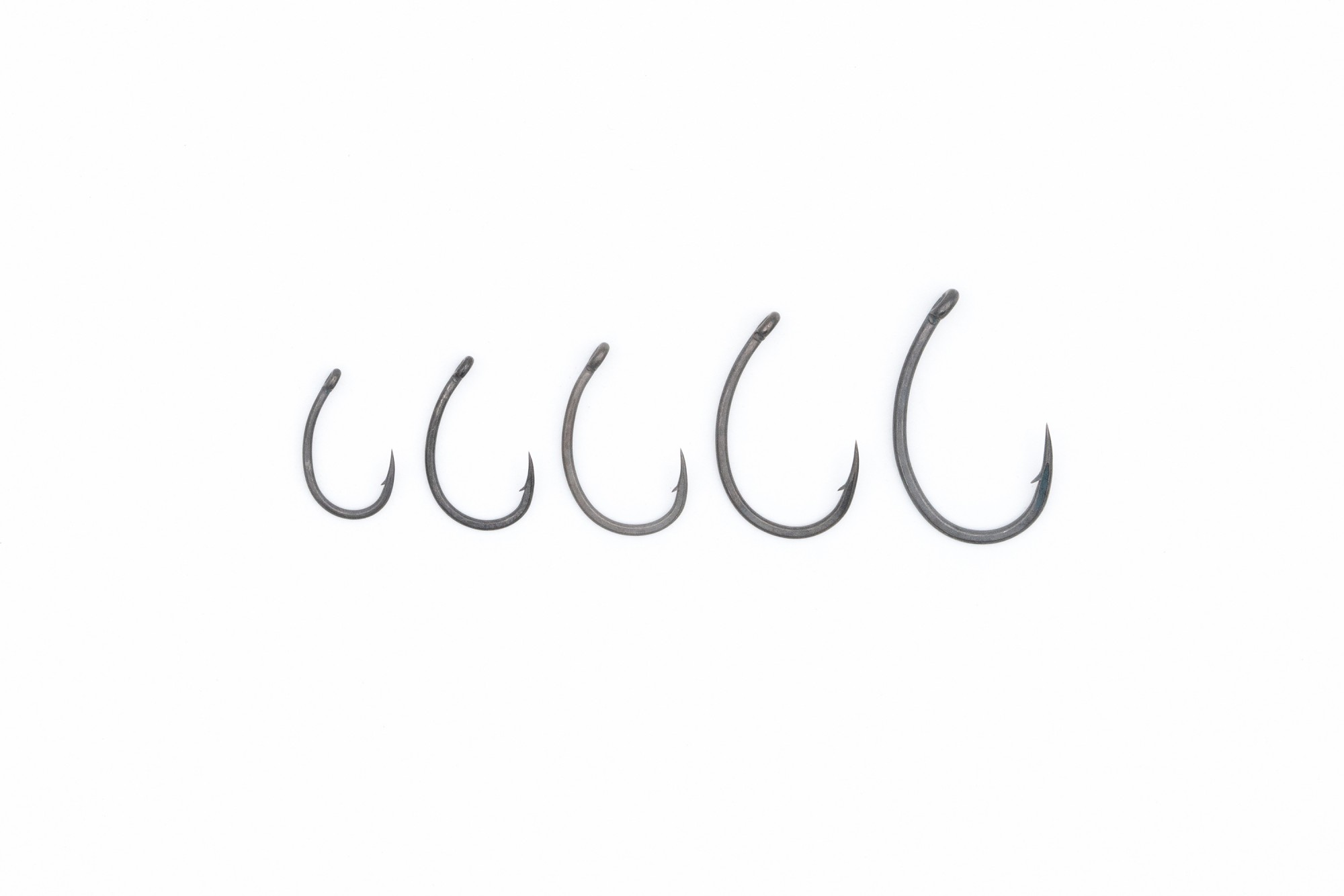
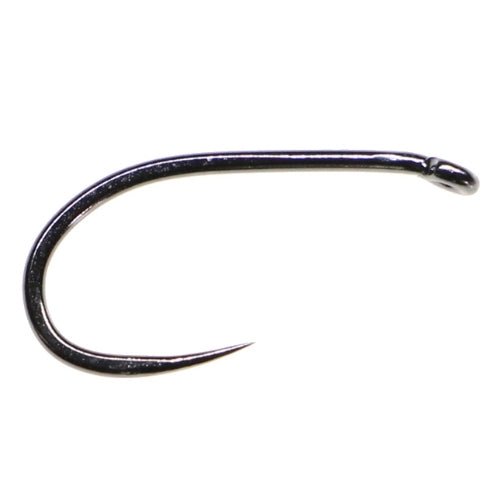
Bronze FM-5000 and black nickel FM-5005
A heavy-wire, barbless fly hook for wets, nymphs and lures. The Heavyweight Champ makes sense when you want strength beneath the surface, rather than a featherweight hook for delicate dry flies.
- Heavy-gauge wire with a 3X Strong rating.
- Barbless design with an XL claw point.
- Sproat-shaped bend and down eye.
- Supplied in packs of 50 hooks.
Make sure it’s the right one. Both finishes belong to the Heavyweight Champ Barbless range. FM-5000 identifies bronze; FM-5005 identifies black nickel.
Tackle Index Score
Tackle Index score
A well-focused barbless option for subsurface fly tying. Its strongest appeal is the sturdy design and useful pack quantity, rather than universal versatility.
- Product Quality8.8/10
- Performance8.9/10
- Impact on Fish Catching8/10
- Ease of Use9.1/10
- Value for Money8.5/10
If you buy through our links, we might get a small kickback, but it won’t cost you a penny extra. As an Amazon Associate I earn from qualifying purchases. The full story
Who it suits
Is it right for you?
Great for
- Trout anglers tying subsurface patterns. The heavy-wire construction suits wet flies, nymphs and lures where a sturdy hook is part of the brief.
- Regular tyers fishing barbless-only waters. The ready-made barbless design saves an extra preparation step, while 50 hooks support repeat batches.
Maybe skip if
- Dry-fly specialists chasing delicate flotation. Heavy-gauge wire adds weight where a lighter hook would usually make keeping the fly afloat easier.
- Tyers needing specialist shapes. A down-eye sproat hook isn't a substitute for a dedicated jig, curved or long-shank design.
The lowdown
Introducing the Fulling Mill Heavyweight Champ Barbless Hooks
A heavy-wire, barbless fly hook for wets, nymphs and lures. The Heavyweight Champ makes sense when you want strength beneath the surface, rather than a featherweight hook for delicate dry flies.
- Heavy-gauge wire with a 3X Strong rating.
- Barbless design with an XL claw point.
- Sproat-shaped bend and down eye.
- Supplied in packs of 50 hooks.
Quick verdict
A sensible workhorse for the wet-fly box
The Heavyweight Champ is a cracking fit for fly tyers building wets, nymphs and lures around a strong, barbless hook. Heavy-gauge wire, a sproat bend and an XL claw point give it a clear job: dependable subsurface patterns rather than delicate surface work.
The 50-hook pack suits repeat tying nicely. Just don't mistake the 3X Strong rating for permission to bully fish on fine tippet, or expect one heavyweight shape to cover every fly in your box.
A well-focused barbless option for subsurface fly tying. Its strongest appeal is the sturdy design and useful pack quantity, rather than universal versatility.
- Product Quality
- 8.8/10
- Performance
- 8.9/10
- Impact on Fish Catching
- 8/10
- Ease of Use
- 9.1/10
- Value for Money
- 8.5/10
Heavy-gauge construction and a purpose-built barbless claw point make a convincing foundation for its intended patterns.
The strong, heavyweight design fits wet flies, nymphs and lures well, but isn't suited to every presentation.
A suitable hook supports an effective fly, but depth, dressing and presentation still do much of the work.
The ready-made barbless design removes a preparation step and keeps repeat tying straightforward.
Fifty hooks offer useful batch-tying potential, though overall value depends on the selling price and how often you use the chosen size.
Head to head
How it stacks up
Side by side with the closest kit we've reviewed. This updates as we add more reviews.
Fulling Mill
Fulling Mill Heavyweight Champ Barbless Hooks (this one)
Top scorer
Scores are our own, out of 10. Best in each row is in green. Prices change, so check the latest before you buy.
The full rundown
Everything you'll want to know about the Fulling Mill Heavyweight Champ Barbless Hooks
The Fulling Mill Heavyweight Champ Barbless is a hook with a pretty clear brief: give your subsurface flies a sturdy foundation without a barb to deal with. If your tying bench is usually covered in materials for trout wets, nymphs and lures, that's straight into useful territory. This isn't about making every pattern lighter, daintier or more complicated. It's about starting with a heavy-wire hook that fits the job, then getting on with the enjoyable bit: tying something you'd happily fish when the trout finally switch on.
The main talking point is the heavy-gauge wire and 3X Strong rating. That makes strength a central part of the design, rather than a bonus tucked behind a fancy finish. For a wet fly or compact lure, a stout foundation can be a sensible choice, particularly when you don't want a delicate hook dictating the whole setup. Keep the claim in perspective, though. That rating isn't a published breaking strain, and it certainly doesn't make your tippet, knots or rod handling any less important once a decent fish is attached.
Then there's the shape: a sproat bend, down eye and XL claw point. Those are useful details when you're deciding whether a hook belongs under a particular dressing. You want the finished body to sit neatly, the eye to stay accessible and enough clear gape beneath the materials for the hook to do its job. A chunky thorax or enthusiastic pinch of dubbing can eat into that space surprisingly quickly. Before you tie a dozen identical flies, knock up one, look at it properly and check that the proportions still make sense.
Being barbless from the outset is dead handy if that's what your fishery asks for, or simply how you prefer to fish. There's no separate barb-crushing step before the fly goes into the box. It can also make unhooking more straightforward, although careful handling still matters and no hook makes that responsibility disappear. During the fight, aim for controlled pressure rather than panic winding. If a trout comes towards you, recover the slack; if it powers away, let the rod and drag work instead of trying to stop it dead.
The heavyweight construction also belongs in your thinking about presentation. All else being equal, heavier wire adds more weight to a fly than a finer-wire alternative. That's often compatible with fishing beneath the surface, but it doesn't turn every unweighted nymph into a fast-sinking depth charge. Dressing bulk, trapped air, beads, current and leader arrangement all have a say. On the bank, sort out the depth and drift before deciding that another change of colour is the answer. A lovely-looking fly passing above feeding fish can still leave you scratching your head.
There's a choice of bronze and black nickel, with FM-5000 identifying the bronze version and FM-5005 the black nickel. That's worth getting straight when you're ordering, especially if you've already tied a batch and want the next lot to match. The maker's catalogue lists black nickel sizes 10, 12, 14, 16 and 18. Choose around the pattern and the food you're trying to suggest, not just the size of trout you fancy catching. A bigger hook isn't automatically the cleverer option because there's a potential lump in the lake.
Fifty hooks per pack is a practical quantity for anyone who ties in batches. You can build a useful run of one pattern, replace losses and still have room to tweak the dressing without immediately needing another packet. The flip side is that fifty of the wrong size won't feel like a bargain. If you're new to the shape, start with a clear use in mind rather than buying every size on enthusiasm alone. Tie a few consistent flies first; a tidy, repeatable dressing is more useful than a box full of nearly-right experiments.
So where does the Heavyweight Champ fit? Nicely in a trout tyer's everyday subsurface selection, provided its weight and shape suit the patterns being tied. It's less convincing as an everything-hook, especially if your next session revolves around delicate dries or a specific jig-style presentation. That's no criticism of a product doing its intended job. Buy it for sturdy barbless wets, nymphs and lures, keep the gape clear and balance the finished fly with your tackle. Sensible choices, less faff, and a fly box built around how you actually fish.
Specifications
The nuts and bolts
- Models and finishes
- FM-5000 bronze; FM-5005 black nickel
- Construction
- Heavy-gauge wire; 3X Strong
- Bend and eye
- Sproat bend; down eye
- Point
- Barbless XL claw point
- Pack quantity
- 50 hooks
- Black nickel catalogue sizes
- 10, 12, 14, 16 and 18
Specs checked with Fulling Mill, Oct 2026.
Spot a model or spec change?
Our take
Buy it for the fly you're tying
This is fly-tying kit, not a carp rig hook with a different badge. Its appeal is the combination of a sturdy foundation and a ready-made barbless design.
Choose it when hook weight and strength fit your pattern. If your fly needs to float high, sink in a very particular attitude or carry an unusually long body, a more specialised shape may be the better shout.
The hook
Closer look: strength with a clear purpose
You're buying a heavy-gauge, 3X Strong fly hook with a sproat bend, down eye and barbless XL claw point. That's a purposeful combination for subsurface tying. The important bit isn't collecting impressive-sounding features; it's checking that the hook supports the size, bulk and profile of your finished fly.
Bronze FM-5000 and black nickel FM-5005 give you a finish choice, with 50 hooks in a pack. Pick the finish you want for the dressing, but don't expect a colour change alone to transform the fishing. Depth, movement and presentation deserve far more of your attention.
Worth knowing. 3X Strong isn't a licence to clamp everything down. Balance your tippet and drag for the fishing, and check the hook point after contact with stones or other hard snags.
Your fly box
Who it suits: tyers working beneath the surface
If you regularly tie trout wets, nymphs or lures, there's a straightforward place for this hook on the bench. It's especially convenient when barbless is your default: you can tie and organise batches without leaving a barb-flattening job for later. Still check the fishery's full rules, because hook design is only one part of them.
Beginners can use it too, provided they choose a suitable pattern rather than forcing every tutorial onto the same hook. Leave breathing room behind the eye for the finish, avoid burying the point in dressing and check the gape before calling the fly done. Those little habits save proper faff later.
For delicate dry flies, look towards a hook designed with flotation in mind. For jig nymphs or patterns needing a particular curve or shank length, buy the appropriate shape. Keeping a few genuinely different hook styles is more useful than asking one sturdy all-round subsurface option to do absolutely everything.
Quick answers
FAQs in full: patterns, finishes and strength
What can you tie on it? Wet flies, nymphs and lures are the intended territory. Let the pattern guide your size choice, and remember that bulky materials can reduce usable gape. Heavy wire contributes weight, but the whole dressing and your tackle arrangement determine how the fly fishes.
Which model is which? FM-5000 is bronze and FM-5005 is black nickel. The black nickel catalogue listing covers sizes 10, 12, 14, 16 and 18. Check the model and selected size on the packet when ordering; don't assume a size listing for one finish automatically describes the other.
What does 3X Strong tell you? It identifies the hook's strength rating, alongside its heavy-gauge construction. It doesn't give you a guaranteed load or a maximum fish size. Sound knots, suitable tippet and controlled pressure remain part of landing fish safely, however sturdy the hook looks in the vice.
On paper
Pros & cons
What we like
- Strong, heavy-wire foundation for wet flies, nymphs and lures.
- Barbless from the outset, so there's no barb-crushing faff.
- Fifty-hook packs are handy for tying batches of favourite patterns.
- Choice of bronze or black nickel finish.
Worth knowing
- Heavy wire isn't the natural choice for delicate, high-floating dry flies.
- One bend and eye arrangement won't suit every specialist pattern.
- A 50-hook pack is more commitment than a small trial pack if you're still settling on a size.
Want one?
Add it to your Wanted list or join a Group Buy — shops see anonymous totals only.
Your questions answered
What anglers want to know
The stuff you’d ask your mate on the next peg. Straight answers, no waffle.
01What flies can you tie on the Heavyweight Champ Barbless?
What flies can you tie on the Heavyweight Champ Barbless?
It's suited to wet flies, nymphs and lures. Match the size and body proportions to your chosen pattern rather than treating it as a universal hook.
02What's the difference between FM-5000 and FM-5005?
What's the difference between FM-5000 and FM-5005?
FM-5000 is the bronze version; FM-5005 is black nickel. The black nickel version is listed in the maker's catalogue in sizes 10, 12, 14, 16 and 18.
03Does 3X Strong mean it can take three times the pressure?
Does 3X Strong mean it can take three times the pressure?
Don't read it as a guaranteed breaking load. It's the hook's strength designation, not a promise that your finished tackle can withstand three times a particular force.
What anglers say
The word from the bank
Our read: a sensible workhorse for the wet-fly box. The strongest reasons to choose it are strong, heavy-wire foundation for wet flies, nymphs and lures. and barbless from the outset, so there's no barb-crushing faff.; the main trade-off is heavy wire isn't the natural choice for delicate, high-floating dry flies..
Our take on the feedback
Why it appeals
Checked Sept '26 — “Strong, heavy-wire foundation for wet flies, nymphs and lures.”
Best fit
Checked Sept '26 — “Trout anglers tying subsurface patterns: The heavy-wire construction suits wet flies, nymphs and lures where a sturdy hook is part of the brief.”
Worth knowing
Checked Sept '26 — “Heavy wire isn't the natural choice for delicate, high-floating dry flies.”
Tackle Index’s take from the product details and fishing fit we checked. We haven’t found enough independent public feedback to call this an angler consensus yet.
Angler score
What our readers rate Fulling Mill Heavyweight Champ Barbless Hooks
No angler score yet — nobody's reviewed Fulling Mill Heavyweight Champ Barbless Hooks here. Be the first and get the score started.
Owner reports
Own this? Help the next angler.
Quick multiple-choice reports from people who say they own the Fulling Mill Heavyweight Champ Barbless Hooks. Not verified purchases, and kept separate from our score.
No owner reports yet.
Alternatives & go-withs