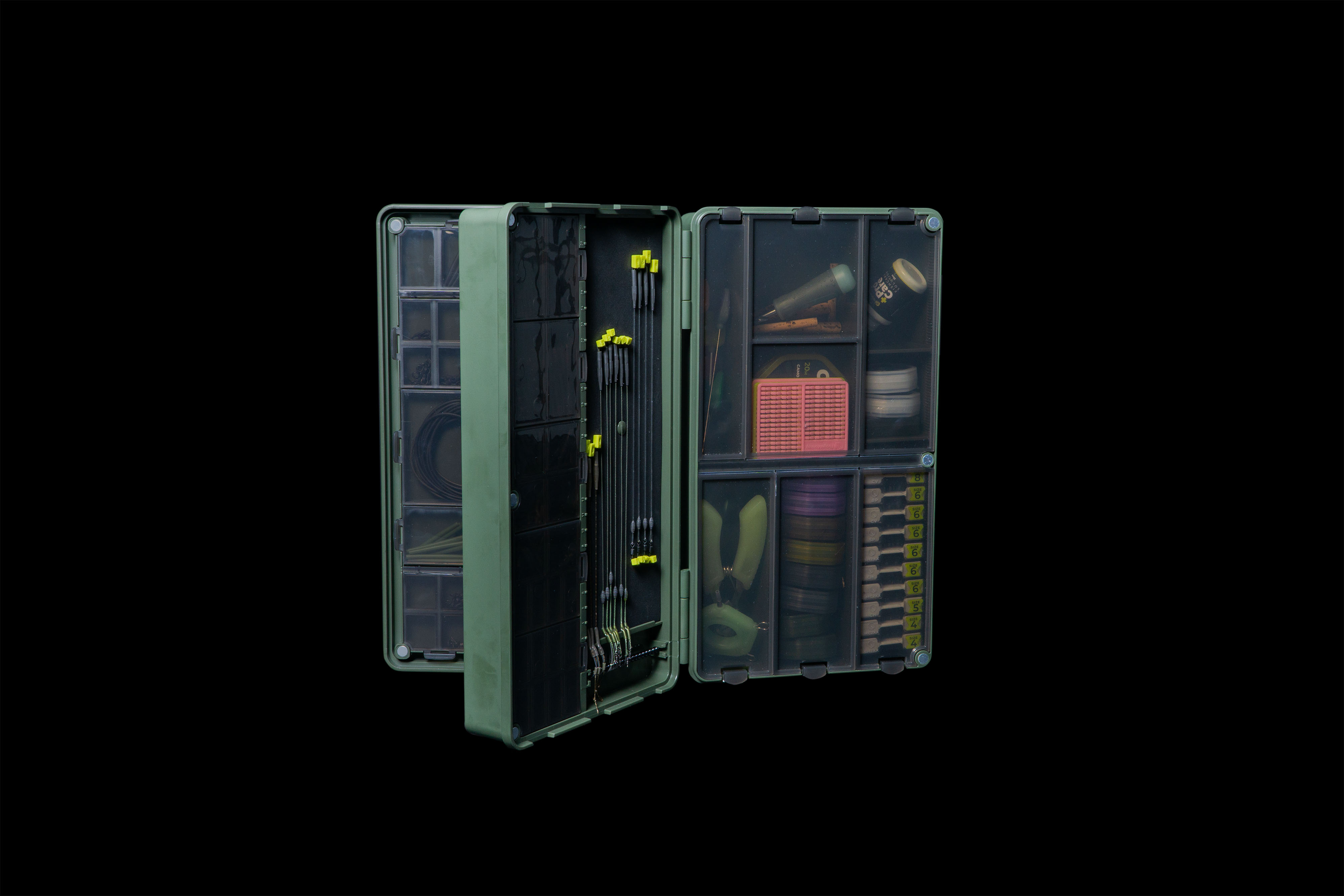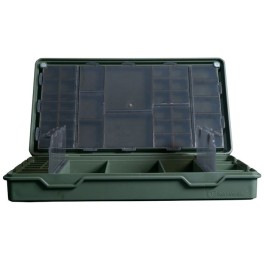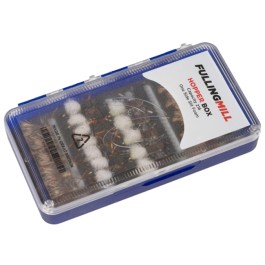
Photos: Fulling Mill · supplied retailer imagery
Fly fishing · Fly boxes · Our take
Fulling Mill Hopper Box
Hopper Box
A roomy fly box with a frosted lid, magnetic closure and space for a proper selection of patterns. Handy for keeping your dries organised — just don’t mistake its 216-fly capacity for a promise that every bulky hopper will fit shoulder to shoulder.
- Dimensions: 32 × 106 × 186 mm.
- Stated capacity of 216 flies; bulky dressings need sensible spacing.
- Magnetic closure and a frosted lid for viewing the contents.
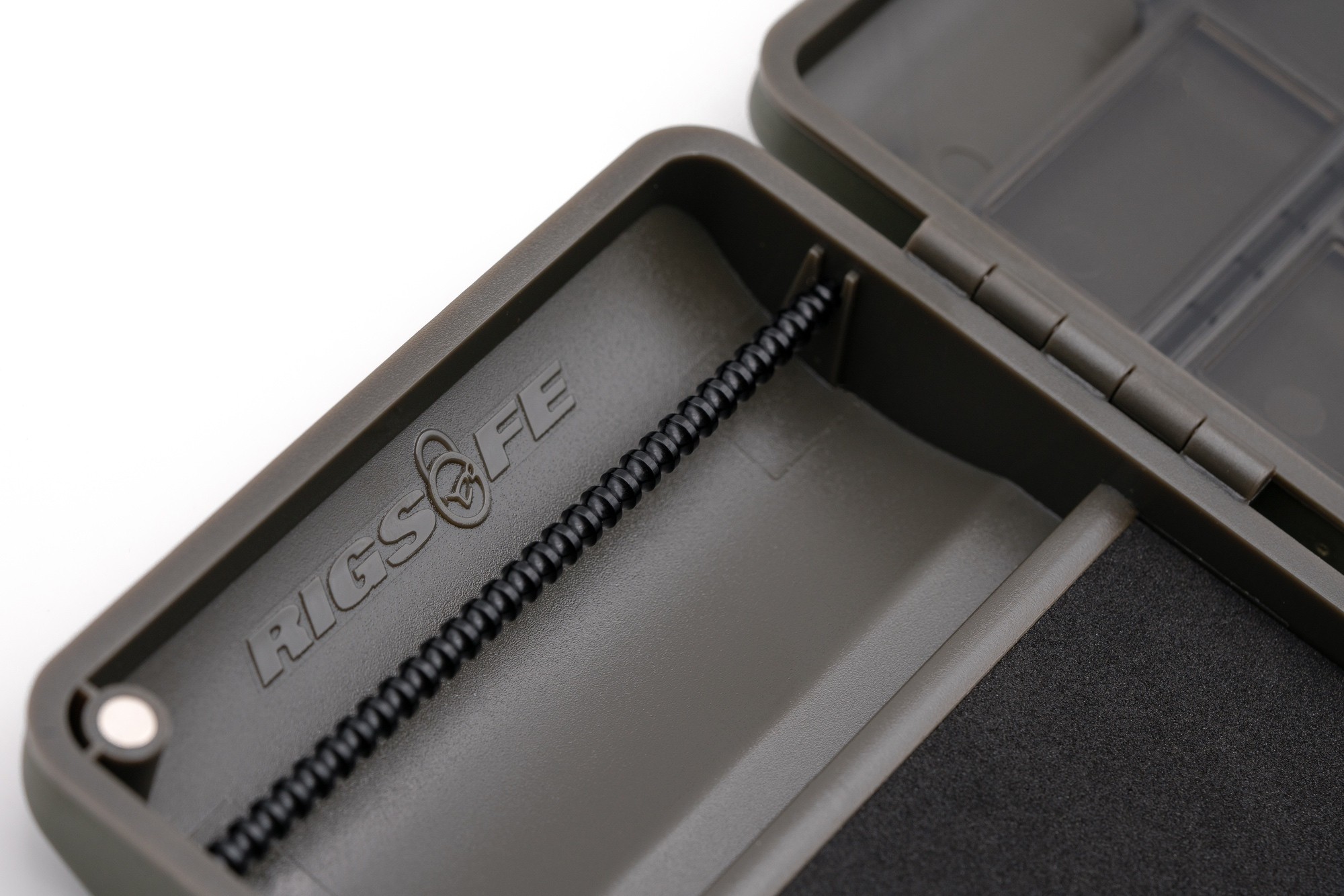
- Impact-resistant polycarbonate shell with grip ridges and pre-cut foam slits.
Make sure it’s the right one. Fulling Mill Hopper Box, manufacturer product ID 1825. Supplied without flies.
Tackle Index Score
Tackle Index score
A useful, well-featured storage option whose strengths are organisation and room for varied dressings. Value depends on whether you need its capacity; the catching benefit is indirect.
- Product Quality8.8/10
- Performance8.8/10
- Impact on Fish Catching6.6/10
- Ease of Use9.1/10
- Value for Money7.7/10
If you buy through our links, we might get a small kickback, but it won’t cost you a penny extra. As an Amazon Associate I earn from qualifying purchases. The full story
Who it suits
Is it right for you?
Great for
- Stillwater anglers carrying a varied dry-fly selection. The depth and slotted layout suit organising hoppers and other dries by size, colour or pattern.
- Fly anglers who prefer a substantial main box. There’s room for a broad selection without splitting every small group of flies between separate boxes.
Maybe skip if
- Minimalist river anglers carrying only a handful of flies. A smaller box is likely to make better use of limited pocket space.
- Anglers expecting 216 oversized, heavily dressed flies to fit comfortably. Large hackles, wings and legs need gaps between patterns, regardless of the available holding positions.
The lowdown
Introducing the Fulling Mill Hopper Box
A roomy fly box with a frosted lid, magnetic closure and space for a proper selection of patterns. Handy for keeping your dries organised — just don’t mistake its 216-fly capacity for a promise that every bulky hopper will fit shoulder to shoulder.
- Dimensions: 32 × 106 × 186 mm.
- Stated capacity of 216 flies; bulky dressings need sensible spacing.
- Magnetic closure and a frosted lid for viewing the contents.
- Impact-resistant polycarbonate shell with grip ridges and pre-cut foam slits.
Quick verdict
A tidy home for your dry-fly selection
The Hopper Box makes sense if your dries need a bit of breathing room. Its useful depth, slotted foam and view-through frosted lid offer a straightforward way to organise a decent selection without turning every fly change into a rummage.
The main compromises are pocket space and realistic loading capacity. Give bushy patterns room rather than chasing the full 216-fly figure, and check it fits your usual waistcoat or pack.
A useful, well-featured storage option whose strengths are organisation and room for varied dressings. Value depends on whether you need its capacity; the catching benefit is indirect.
- Product Quality
- 8.8/10
- Performance
- 8.8/10
- Impact on Fish Catching
- 6.6/10
- Ease of Use
- 9.1/10
- Value for Money
- 7.7/10
The impact-resistant polycarbonate shell, grip ridges and slotted foam make a sensible package for fishing storage.
Useful depth and visible contents support organised fly storage, although bulky patterns need space between them.
Easier fly selection helps your session flow, but the box itself won’t improve presentation or persuade a trout to take.
The magnetic closure, pre-cut slits and frosted lid keep everyday handling straightforward.
The feature set makes most sense if you need a substantial main box rather than a small home for a few favourites.
Head to head
How it stacks up
Side by side with the closest kit we've reviewed. This updates as we add more reviews.
Fulling Mill
Fulling Mill Hopper Box (this one)
Top scorer
Scores are our own, out of 10. Best in each row is in green. Prices change, so check the latest before you buy.
The full rundown
Everything you'll want to know about the Fulling Mill Hopper Box
A fly box should make changing patterns easier, not turn it into a fiddly little treasure hunt while trout are rising just beyond your rod tip. That’s the appeal of the Fulling Mill Hopper Box. It gives you a substantial home for your flies, a frosted lid you can see through and a straightforward magnetic closure. Nothing wildly complicated, mate. Just the sort of practical storage that makes sense when you’d rather be watching the water than digging through three pockets for the right dry.
Despite the name, you don’t need to be a hopper obsessive to find a use for it. Fulling Mill describes the depth as suitable for a variety of fly sizes, so there’s scope for a mixed selection rather than one narrow family of patterns. For a stillwater angler, that could mean grouping hoppers alongside other dries you reach for when fish are looking up. The trick is to organise around how you actually fish, rather than creating a gorgeous display that makes no sense beside the water.
The dimensions are 32 × 106 × 186 mm, which is worth thinking about before you buy. This is a proper main fly box, not a tiny emergency stash for half a dozen favourites. That longer shape gives you space to arrange a useful selection, but it also asks more of your waistcoat pocket or pack compartment. Have a quick measure if your current storage is snug. A cracking box loses some of its appeal if you’re wrestling it past a zip every time you want another pattern.
Inside, pre-cut slits in the foam provide the holding positions. That’s a familiar, uncomplicated arrangement: use the cuts rather than stabbing fresh holes wherever a gap appears, and keep neighbouring dressings from tangling together. You might separate sizes into rows, keep darker patterns at one end or leave a little group of reliable favourites easy to spot. There’s no single right system. The useful one is the system you can follow with chilly fingers and your attention half on a feeding fish.
The stated capacity is 216 flies, but don’t get too hung up on filling every position. A slim-bodied pattern and a bushy hopper don’t occupy the same amount of usable room, even if their hooks fit neatly into adjacent slits. Hackles, wings and trailing legs need space too. Leaving gaps around bigger dressings is sensible housekeeping, not wasted capacity. You want to lift out the fly you’ve chosen without bringing its neighbours along for the ride or flattening the bits that give the pattern its shape.
The frosted lid is another handy detail. It lets you view the contents before opening, which helps when you’ve got several boxes tucked into a bag and want the dry-fly selection rather than your nymphs. Don’t expect the fine-detail view of a fully clear lid, though. Think quick recognition rather than inspecting tiny differences between two near-identical dressings. Paired with a consistent layout inside, it should help cut down the opening, checking and closing routine that gets a bit tiresome during frequent fly changes.
Outside, the impact-resistant polycarbonate shell and guide ridges are practical choices for fishing kit. The shell offers a sensible protective housing, while the ridges give your fingers something to work with when handling the box. The magnetic closure keeps the opening arrangement straightforward. None of that is a reason to chuck it about or assume it’s watertight, mind. Keep it secure when you’re moving between spots, and let damp flies dry properly before the box goes away after a session. Storage habits still matter.
So who should have it on the shortlist? Mainly the fly angler who wants a roomy, organised selection close to hand, particularly for dry-fly fishing where bulky dressings deserve a bit of breathing room. If you travel light with a handful of river patterns, it may simply be more box than you need. If your existing dries are crammed together and finding the right one is becoming a faff, the Hopper Box offers a sensible alternative. Buy it for usable space and straightforward organisation, not the challenge of squeezing in all 216 flies.
Specifications
The nuts and bolts
- Dimensions
- 32 × 106 × 186 mm
- Stated capacity
- 216 flies
- Outer shell
- Impact-resistant polycarbonate with grip ridges
- Fly retention
- Foam interior with pre-cut slits
- Lid and closure
- Frosted lid; magnetic closure
- Product ID and contents
- 1825; flies not included
Specs checked with Fulling Mill, Oct 2026.
Spot a model or spec change?
Our take
Think breathing room, not just numbers
The useful bit here isn’t simply how many flies you can squeeze in. It’s having enough space to arrange different sizes sensibly and see which box you need before opening it.
For hackled dries and leggy hoppers, a lightly loaded, well-organised box can be much more useful than one rammed to the lid.
The layout
Closer look: straightforward storage with useful depth
You’re buying an empty fly box with a polycarbonate outer shell, slotted foam interior and magnetic closure. The frosted lid helps identify what’s inside without opening it. There’s no complicated organising system to learn: you decide how to group the flies and how much space each dressing needs.
The 32 mm overall depth is useful context, but it isn’t a measurement of internal clearance above every fly. With tall wings or heavily hackled patterns, close the lid gently and check nothing is being pressed out of shape. Arrange the biggest dressings first, then work smaller flies around them.
Worth knowing. 216 is the stated fly capacity, not a packing target. Leaving spare positions around bulky dries makes selection easier and gives delicate dressings some breathing room.
Your fishing
Who it suits: a main selection rather than a tiny travel kit
Stillwater fly anglers carrying several sizes and colours of dries are an obvious fit. You can build a sensible selection for changing light, ripple and feeding activity without making every pattern family a separate box. Keep your regular choices in easily recognised groups, and replacing a sodden fly becomes less of a rummage.
It can also suit a river angler with room in a pack, but it’s less compelling if your whole session revolves around a small selection in a shirt pocket. Match the box to what you actually carry. Extra capacity is only handy if it earns its place in your kit.
Its value is mainly in organisation and protecting your selection between changes. It won’t improve your presentation or pick the right pattern for you. What it can do is keep the choices orderly, so you spend less time sorting kit and more time paying attention to the fish.
Quick answers
FAQs in full: capacity, weather and what’s included
How many flies will it hold? Fulling Mill gives a capacity of 216. Your comfortable working load depends on the dressings: sparse patterns need less room than broad-winged or bushy ones. Load for easy access rather than maximum numbers.
Is it waterproof? A waterproof seal isn’t confirmed in the supplied details, so don’t rely on it to keep water out during immersion. A magnetic closure isn’t the same thing as a watertight seal. If moisture gets inside, open the box somewhere dry and let the flies and foam dry before storage.
Are flies included, and must they be hoppers? It comes without flies, and the depth accommodates a variety of fly sizes. The name points towards its intended appeal, rather than restricting you to one pattern. Just check clearance and spacing when adding anything particularly bulky.
On paper
Pros & cons
What we like
- Useful depth accommodates a variety of fly sizes.
- Frosted lid helps you identify the contents before opening.
- Pre-cut foam slits make orderly storage straightforward.
- Grip ridges are a sensible touch for handling beside the water.
Worth knowing
- Bulkier flies reduce how much of the stated capacity you can comfortably use.
- The 186 mm length needs a suitably sized pocket or pack compartment.
- The frosted lid won’t give the same fine-detail view as a completely clear one.
Want one?
Add it to your Wanted list or join a Group Buy — shops see anonymous totals only.
Your questions answered
What anglers want to know
The stuff you’d ask your mate on the next peg. Straight answers, no waffle.
01How many flies does the Fulling Mill Hopper Box hold?
How many flies does the Fulling Mill Hopper Box hold?
The stated capacity is 216 flies. Treat that as a capacity figure rather than a target: bushy dries and bulky hoppers need extra spacing.
02Is the Hopper Box waterproof?
Is the Hopper Box waterproof?
A waterproof seal isn’t confirmed in the supplied product details. Don’t assume the magnetic closure makes it watertight, and dry wet flies before putting the box away for storage.
03Does it come with flies, and is it only for hoppers?
Does it come with flies, and is it only for hoppers?
Flies aren’t included. Despite the name, the box accommodates a variety of fly sizes; check that taller or bulkier dressings clear the lid without being compressed.
What anglers say
The word from the bank
Our read: a tidy home for your dry-fly selection. The strongest reasons to choose it are useful depth accommodates a variety of fly sizes. and frosted lid helps you identify the contents before opening.; the main trade-off is bulkier flies reduce how much of the stated capacity you can comfortably use..
Our take on the feedback
Why it appeals
Checked Sept '26 — “Useful depth accommodates a variety of fly sizes.”
Best fit
Checked Sept '26 — “Stillwater anglers carrying a varied dry-fly selection: The depth and slotted layout suit organising hoppers and other dries by size, colour or pattern.”
Worth knowing
Checked Sept '26 — “Bulkier flies reduce how much of the stated capacity you can comfortably use.”
Tackle Index’s take from the product details and fishing fit we checked. We haven’t found enough independent public feedback to call this an angler consensus yet.
Angler score
What our readers rate Fulling Mill Hopper Box
No angler score yet — nobody's reviewed Fulling Mill Hopper Box here. Be the first and get the score started.
Owner reports
Own this? Help the next angler.
Quick multiple-choice reports from people who say they own the Fulling Mill Hopper Box. Not verified purchases, and kept separate from our score.
No owner reports yet.
Alternatives & go-withs