Photos: Greys · supplied retailer imagery
Fly fishing · Single-handed rods · Our take
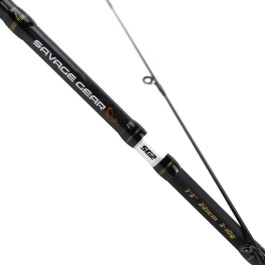
Greys Lance Fly Rod
Range overview: 8ft 4WT; 9ft 5WT, 6WT and 8WT; 10ft 7WT and 8WT
A four-piece fly rod range with sensible fittings and options for lighter river work through to beefier stillwater fishing. The trick is picking the right Lance for your water.
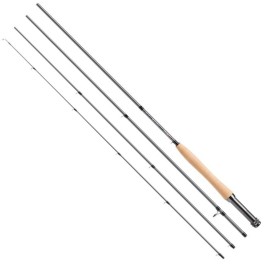
- Intermediate-modulus carbon-fibre blank with four-piece construction.
- Single-handed design with an AAA-grade cork handle.
- Anodised all-alloy reel seat with dual locking nuts and a nylon cushion ring.
- Rod-section alignment dots and a sectioned rod tube included.
Make sure it’s the right one. This covers the Lance range rather than one length and line-weight combination. Choose the individual model around your fishing.
Tackle Index Score
Tackle Index score
A practical, well-equipped range on paper, with its appeal centred on model choice and useful fittings; value depends on the asking price and the alternatives alongside it.
- Product Quality8.8/10
- Performance8.3/10
- Impact on Fish Catching7.7/10
- Ease of Use9/10
- Value for Money8.3/10
If you buy through our links, we might get a small kickback, but it won’t cost you a penny extra. As an Amazon Associate I earn from qualifying purchases. The full story
Who it suits
Is it right for you?
Great for
- Fly anglers choosing a rod for a clear job. The listed models let you choose around lighter river presentations, everyday trout fishing or heavier stillwater work.
- Anglers who travel with their tackle. Four sections and an included sectioned tube make it easier to pack and protect than an assembled rod.
Maybe skip if
- Anyone after one rod for every fly-fishing situation. The gap between small dries on sheltered water and bulky flies on an exposed reservoir is too big for a perfect single choice.
- Anglers needing a double-handed outfit. The Lance models covered here are single-handed rods, not substitutes for a dedicated double-handed setup.
The lowdown
Introducing the Greys Lance Fly Rod
A four-piece fly rod range with sensible fittings and options for lighter river work through to beefier stillwater fishing. The trick is picking the right Lance for your water.
- Intermediate-modulus carbon-fibre blank with four-piece construction.
- Single-handed design with an AAA-grade cork handle.
- Anodised all-alloy reel seat with dual locking nuts and a nylon cushion ring.
- Rod-section alignment dots and a sectioned rod tube included.
Quick verdict
A sensible shortlist rod — in the right size
The Greys Lance has a properly useful set of features: four-piece construction, AAA-grade cork, locking reel-seat hardware and a sectioned tube. Nothing wildly flashy, just the sort of details that make owning a fly rod less of a faff.
Match the model to your water and flies, though. An 8ft 4WT and a 10ft 8WT serve very different jobs. Its strongest buying argument is the practical package, rather than any promise of instant extra casting distance.
A practical, well-equipped range on paper, with its appeal centred on model choice and useful fittings; value depends on the asking price and the alternatives alongside it.
- Product Quality
- 8.8/10
- Performance
- 8.3/10
- Impact on Fish Catching
- 7.7/10
- Ease of Use
- 9/10
- Value for Money
- 8.3/10
AAA-grade cork, an anodised alloy reel seat and considered locking hardware make a solid equipment package.
The length and line-weight choices address several useful fishing roles, although the feature list doesn't establish casting feel.
A suitable model supports the right presentation, but fly choice, depth and line control remain central to getting takes.
Alignment dots, locking reel-seat fittings and four-piece storage remove some everyday setup and transport faff.
The included tube and useful fittings strengthen the package, provided the asking price compares favourably with similarly equipped rods.
Head to head
How it stacks up
Side by side with the closest kit we've reviewed. This updates as we add more reviews.
Greys
Greys Lance Fly Rod (this one)

Top scorer
Scores are our own, out of 10. Best in each row is in green. Prices change, so check the latest before you buy.
The full rundown
Everything you'll want to know about the Greys Lance Fly Rod
The Greys Lance is a single-handed fly rod range with a refreshingly straightforward brief: give you a choice of useful trout-fishing outfits, then add the fittings that make everyday ownership easier. You get an intermediate-modulus carbon-fibre blank, four-piece construction, AAA-grade cork and a sectioned tube. That's a sensible starting package, mate. The important bit isn't simply deciding whether you fancy a Lance. It's deciding which Lance belongs on your river, lake or reservoir, because the listed models cover quite different casting jobs.
At the lighter end sits an 8ft 4WT. The 9ft options are listed in 5WT, 6WT and 8WT, while the 10ft versions come in 7WT and 8WT. Don't read those numbers as a ladder where bigger automatically means better. Fly-line weight helps you match the outfit to the flies and lines you'll cast. Length changes reach and handling. Pick around the fishing you actually do most weekends, rather than the monster trout you occasionally picture charging off into the backing.
For smaller water and lighter presentations, the 8ft 4WT is the obvious model to consider first. A shorter rod can be handy where bankside vegetation makes a longer outfit awkward, although it won't magically create back-cast space beneath a low canopy. Think smaller flies and a suitably balanced line and leader, rather than trying to chuck a bulky lure because that's what's already tied on. Equally, remember that shorter isn't always easier on a river: extra reach can help keep unwanted line off tricky currents.
The 9ft 5WT and 6WT sit in the territory many trout anglers will recognise as a sensible starting point. If you're weighing up dries, nymphs and modest streamers across a mixture of venues, these are the pair to compare closely. The 5WT points towards the lighter side of that work; the 6WT deserves attention when your regular fishing involves a bit more fly or wind. Neither rating guarantees tidy loops. A well-matched line and a controlled casting stroke still do the heavy lifting.
Then you've got the 9ft 8WT and the longer 10ft 7WT and 8WT options. These make more sense to investigate when heavier lines, bigger flies or exposed stillwaters are normal business rather than a rare detour. Extra length can help with reach and line control, including aspects of boat fishing, but it's not a free upgrade for everyone. Consider how you fish through a full session. Choosing more rod than your usual job needs can turn a pleasant afternoon into unnecessary work.
Away from model choice, the Lance's practical details are worth a proper look. The reel seat is anodised all-alloy, with dual locking nuts and a nylon cushion ring. There's also an alignment mark on the slide band. That gives you clear locating and locking features when fitting the reel, rather than leaving everything to guesswork. Fit the reel squarely, tighten things sensibly and give it a quick check before you start. No need to attack the nuts as though you're changing a tractor wheel.
The rod-section alignment dots are another small touch that earns its place. Put the four sections together, line up the guides and you're closer to getting a fly in the water without squinting down the blank repeatedly. Still check that each joint is seated properly, and revisit them during the day. Repeated casting can loosen fly-rod joints. The guide arrangement pairs single-foot snake guides with lined stripper guides, while the cork handle keeps the contact point familiar for anglers who prefer a traditional fly-rod grip.
For packing up, four-piece construction and the included sectioned tube are dead handy. They make transport and storage less awkward, though you should still dry the outfit before leaving it shut away. Overall, the Lance's appeal is easy to understand: a broad selection of fishing roles and useful everyday hardware, without needing a grand story about catching more fish. Shortlist the right length and line rating first, then compare the asking price with similarly equipped rods. That's a much sounder route than buying on the badge alone.
Specifications
The nuts and bolts
- Blank
- Intermediate-modulus carbon fibre
- Construction
- Four-piece, single-handed fly rod
- Handle
- AAA-grade cork
- Guides
- Single-foot snake guides and lined stripper guides
- Reel seat
- Anodised all-alloy seat; dual locking nuts, nylon cushion ring and slide-band alignment mark
- Listed models and storage
- 8ft 4WT; 9ft 5WT, 6WT and 8WT; 10ft 7WT and 8WT. Sectioned rod tube included.
Specs checked with Greys, Oct 2026.
Spot a model or spec change?
Our take
Buy for your flies, not your biggest trout
Line weight is about the casting job as much as the fish. Small dries and lighter presentations point you towards the lighter models; bigger flies, heavier lines and exposed water can justify stepping up.
Don't automatically grab the longest, heaviest Lance as insurance against a lump. A rod that's suited to your usual session is a better companion than one bought for an occasional what-if.
The outfit
What you're actually buying
The Lance combines an intermediate-modulus carbon-fibre blank with a four-piece layout. That material description alone doesn't tell you exactly how quickly the tip recovers or how the rod loads at short range, so don't treat it as shorthand for a particular casting action. The clearer buying points are its model choices, fittings and transport-friendly construction.
AAA-grade cork, lined stripper guides and single-foot snake guides give it a familiar fly-rod setup. The anodised alloy reel seat adds dual locking nuts and a nylon cushion ring, while the section dots help you assemble everything straight. These are useful ownership details, not a reason to expect an extra ten yards just by picking it up.
Worth knowing. Alignment dots show orientation, not joint tightness. Seat each section properly, without forcing it, and check the joints periodically while fishing.
Pick your job
Match the Lance to your normal session
For lighter fishing, start by considering the 8ft 4WT. For a broader trout brief, compare the 9ft 5WT and 6WT. Your fly size, room to cast and need for reach should steer the decision. If you're new to fly fishing, describe your usual venue to the shop rather than simply asking for a beginner's rod.
The 9ft 8WT and 10ft 7WT or 8WT deserve a look for heavier stillwater work. Don't choose them solely because your venue holds a lump, though. Fish-playing technique, leader strength and sensible pressure matter too. Likewise, an 8WT label doesn't by itself establish suitability for every saltwater job.
Worth knowing. Budget for the complete outfit. A suitable fly line, backing, reel and leader are needed alongside the rod; the included tube sorts storage, not the rest of your fishing setup.
Quick answers
The details to settle before buying
Which model for general trout fishing? Start your comparison with the 9ft 5WT and 6WT. The lighter option makes sense for lighter presentations, while the 6WT is worth considering for somewhat larger flies and more exposed venues. Neither is a universal answer, especially if your fishing is mainly tiny streams or heavier reservoir tactics.
Is a tube included? Yes, a sectioned rod tube comes with the Lance. Break the rod down carefully, keep grit away from the joints and let everything dry before longer-term storage. A tube is useful protection in transit, but there's no benefit in trapping damp kit inside it.
What does the WT rating mean? It's the fly-line weight designation the rod is intended to work with, not a fish-size limit. Match that rating as your starting point. Line taper and head design also affect loading and presentation, so two lines carrying the same number needn't behave identically.
On paper
Pros & cons
What we like
- Listed lengths and line weights cover several distinct fly-fishing jobs.
- Four-piece layout and included tube make transport straightforward.
- Alignment dots take some fiddling out of assembly.
- Dual locking nuts give you a useful way to secure the reel.
Worth knowing
- No single model covers delicate river work and heavier reservoir fishing equally well.
- Four-piece construction means three joints to assemble and check.
- The listed range doesn't include every length and line-weight pairing.
Want one?
Add it to your Wanted list or join a Group Buy — shops see anonymous totals only.
Your questions answered
What anglers want to know
The stuff you’d ask your mate on the next peg. Straight answers, no waffle.
01Which Greys Lance should I choose for general trout fishing?
Which Greys Lance should I choose for general trout fishing?
The 9ft 5WT and 9ft 6WT are sensible starting points to compare. Lean towards the 5WT for lighter presentations and the 6WT where larger flies or more exposed water feature regularly. Your usual venue matters more than a blanket recommendation.
02Does the Greys Lance come with a rod tube?
Does the Greys Lance come with a rod tube?
Yes. A sectioned rod tube is included, and the rod breaks down into four pieces. Let the rod and storage dry before putting everything away for a long spell.
03What do 4WT, 5WT and the other ratings mean?
What do 4WT, 5WT and the other ratings mean?
They're fly-line weight ratings, not breaking strains or maximum fish weights. Start with a line matching the chosen rod's rating, then consider the line's taper and intended job.
What anglers say
The word from the bank
Our read: a sensible shortlist rod — in the right size. The strongest reasons to choose it are listed lengths and line weights cover several distinct fly-fishing jobs. and four-piece layout and included tube make transport straightforward.; the main trade-off is no single model covers delicate river work and heavier reservoir fishing equally well..
Our take on the feedback
Why it appeals
Checked Sept '26 — “Listed lengths and line weights cover several distinct fly-fishing jobs.”
Best fit
Checked Sept '26 — “Fly anglers choosing a rod for a clear job: The listed models let you choose around lighter river presentations, everyday trout fishing or heavier stillwater work.”
Worth knowing
Checked Sept '26 — “No single model covers delicate river work and heavier reservoir fishing equally well.”
Tackle Index’s take from the product details and fishing fit we checked. We haven’t found enough independent public feedback to call this an angler consensus yet.
Angler score
What our readers rate Greys Lance Fly Rod
No angler score yet — nobody's reviewed Greys Lance Fly Rod here. Be the first and get the score started.
Owner reports
Own this? Help the next angler.
Quick multiple-choice reports from people who say they own the Greys Lance Fly Rod. Not verified purchases, and kept separate from our score.
No owner reports yet.
Alternatives & go-withs