Photos: Greys · supplied retailer imagery
Fly fishing · Reels · Our take
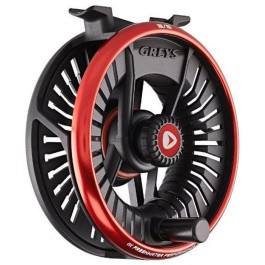
Greys Tail Fly Reel
Tail Fly Reel — 3/4, 5/6 and 7/8
A large arbour, carbon disc drag and three useful sizes make the Greys Tail a straightforward fly reel to shortlist. Just give the weight a proper look before pairing it with a featherweight rod.
- Available in 3/4, 5/6 and 7/8 line-weight sizes.
- Die-cast construction with machine finishing.
- Large-arbour design with a carbon disc drag system.
- Reel pouch included.
Make sure it’s the right one. This is the standard Greys Tail Fly Reel; the sizes below refer to its three line-weight options.
Tackle Index Score
Tackle Index score
Feature-led scores for a practical trout reel, with weight and die-cast construction tempering the appeal.
- Product Quality8.5/10
- Performance8.8/10
- Impact on Fish Catching7.7/10
- Ease of Use8.9/10
- Value for Money8.6/10
If you buy through our links, we might get a small kickback, but it won’t cost you a penny extra. As an Amazon Associate I earn from qualifying purchases. The full story
Who it suits
Is it right for you?
Great for
- Trout anglers building a straightforward outfit. The three line-weight options and practical drag-and-arbour combination cover a useful spread of river and stillwater work.
- Anglers who value useful features over premium machining. You get the everyday essentials without making fully machined construction the priority.
Maybe skip if
- Ultralight river-outfit enthusiasts. At 166 g, even the smallest Tail needs considering carefully against your rod's weight and balance.
- Buyers set on a fully machined reel. Machine finishing doesn't change the Tail's underlying die-cast construction.
The lowdown
Introducing the Greys Tail Fly Reel
A large arbour, carbon disc drag and three useful sizes make the Greys Tail a straightforward fly reel to shortlist. Just give the weight a proper look before pairing it with a featherweight rod.
- Available in 3/4, 5/6 and 7/8 line-weight sizes.
- Die-cast construction with machine finishing.
- Large-arbour design with a carbon disc drag system.
- Reel pouch included.
Quick verdict
Useful features, without overcomplicating things
The Greys Tail makes sense for trout anglers who want a straightforward reel with a large arbour and carbon disc drag. Its die-cast, machine-finished construction is a practical choice rather than a premium-machined showpiece.
Pick the size around your line and rod balance, not the biggest fish you fancy catching. The main reservation is weight, particularly the 166 g 3/4 on a very light river outfit.
Feature-led scores for a practical trout reel, with weight and die-cast construction tempering the appeal.
- Product Quality
- 8.5/10
- Performance
- 8.8/10
- Impact on Fish Catching
- 7.7/10
- Ease of Use
- 8.9/10
- Value for Money
- 8.6/10
Die-cast construction with machine finishing is practical, but doesn't offer the fully machined build some buyers want.
The large arbour and carbon disc drag are a useful combination for line recovery and playing trout.
It supports line management and fish playing, while presentation and fly choice remain far more influential in earning takes.
Three clearly identified line-weight options make outfit matching straightforward once balance and backing room are considered.
The practical feature set and included pouch give it a sensible value case, provided premium machining isn't your priority.
Head to head
How it stacks up
Side by side with the closest kit we've reviewed. This updates as we add more reviews.
Greys
Greys Tail Fly Reel (this one)
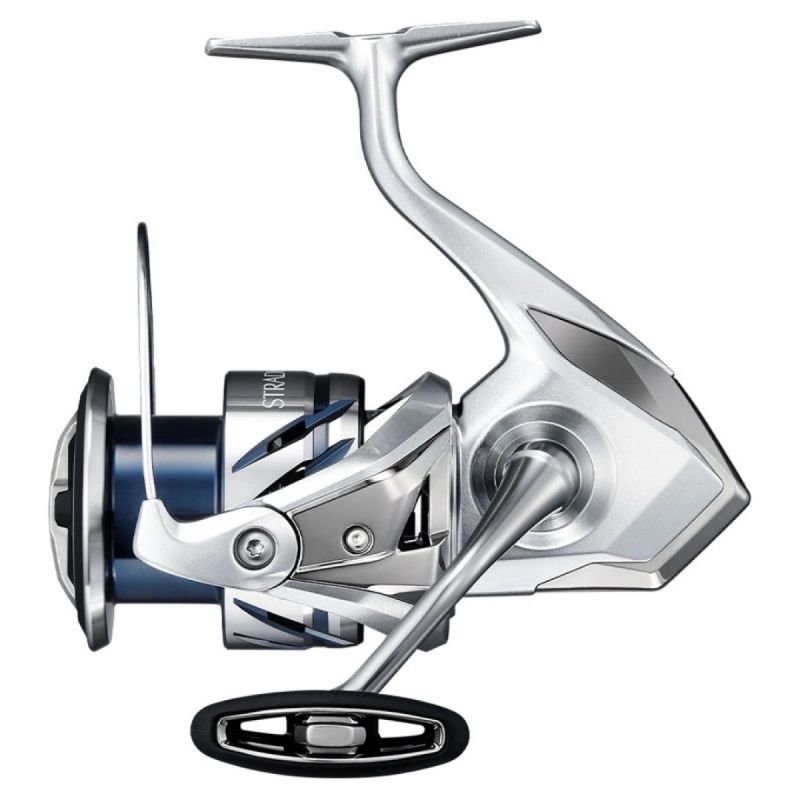
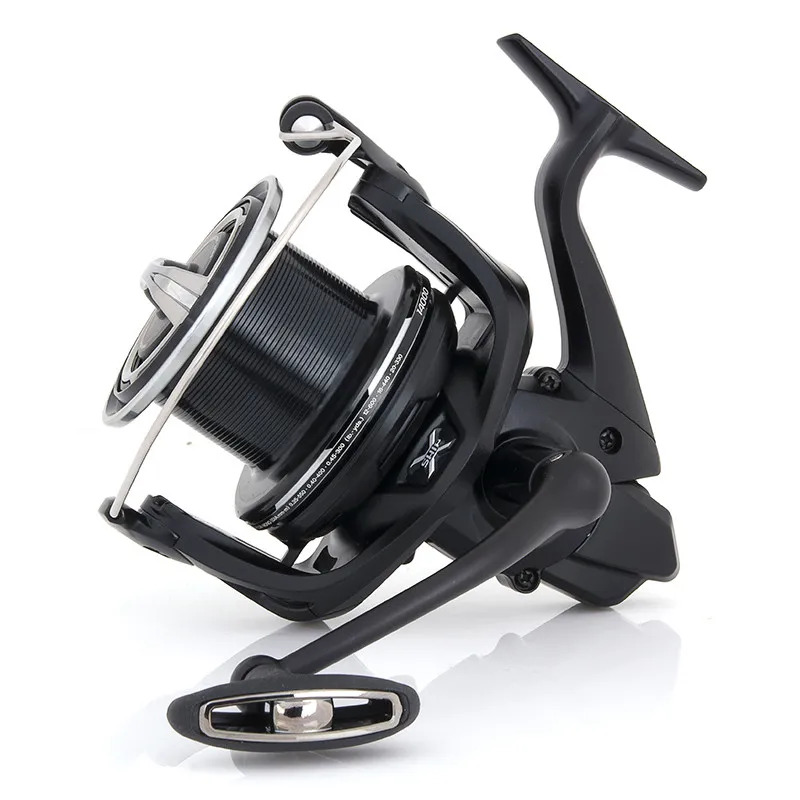
Top scorer
Top scorer
Scores are our own, out of 10. Best in each row is in green. Prices change, so check the latest before you buy.
The full rundown
Everything you'll want to know about the Greys Tail Fly Reel
The Greys Tail Fly Reel is aimed at a job that can get buried under tackle-shop waffle: holding your fly line neatly, recovering it when needed and giving you controlled resistance when a fish takes line. That's the useful stuff, mate. You get a large-arbour layout, a carbon disc drag and a choice of three sizes. No need to turn buying a trout reel into a research project. There are a couple of important choices to get right, though, especially if you're pairing it with a very light rod.
First up, this is a die-cast reel with machine finishing, not a fully machined reel. Those descriptions aren't interchangeable. Casting creates the basic shape, while machining finishes parts of it afterwards. There's nothing automatically wrong with that approach for ordinary trout fishing, but it helps explain where the Tail sits for someone comparing construction methods. If owning a fully machined reel is high on your wish list, this isn't it. If you mainly want useful features for regular fishing, the Tail has a sensible starting point.
The sizes are 3/4, 5/6 and 7/8, so think about the line you're actually using before anything else. A lighter river outfit points you towards the 3/4, a five- or six-weight setup towards the 5/6, and heavier tackle towards the 7/8. That's a starting point rather than permission to ignore everything else. Fly lines vary in bulk, and backing needs space too. Don't assume that stepping up a reel size automatically makes an outfit better equipped to land a lump. Rod, tippet and fish-playing technique still do plenty of work.
Weight is the detail I'd put near the top of your shopping checklist. The 3/4 weighs 166 g, the 5/6 is 180 g and the 7/8 comes in at 203 g. Those figures matter differently depending on the rod. On a short, featherweight river rod, the smallest model could feel more substantial than you'd like. On another outfit, that same weight may give a balance you prefer. If possible, fit the reel to your rod before deciding. A comfortable outfit beats a tidy-looking match on paper every time.
The large arbour is a genuinely useful bit of the design. Compared with a narrow-arbour layout, it keeps the line around a broader centre and helps with recovery when you're winding loose line back in. It can also reduce the tendency towards tight coils, although it won't magically cure a fly line that's spent ages packed away. Give the line a sensible stretch when needed and keep it clean. That's especially handy on stillwaters, where repeated casts and retrieves soon show up any annoying loops or tangles at your feet.
Then there's the carbon disc drag. The useful thing here isn't a bragging contest over how hard you can clamp it down; it's having resistance available when a trout runs from the reel. Set it with your tippet in mind and leave room for sudden lunges. A fine tippet and an enthusiastic drag setting are a rotten combination. Plenty of smaller fish will still be played with line controlled by hand, so don't expect the drag to transform every take. It earns its place when a fish starts taking line properly.
For ordinary river and stillwater trout fishing, the Tail's appeal is that the essentials make sense together. The smaller sizes cover lighter tackle, while the 7/8 gives heavier line outfits their own option. Think dries, nymphs or pulled flies according to the rod and line you've paired it with, rather than treating the reel as a technique-specific shortcut. It won't tidy up a poor cast or sort a badly presented fly. What you want is a reel that fits the outfit and doesn't make line handling more of a faff.
The included reel pouch rounds things off nicely. It's a small extra, but dead handy when the reel is sharing a bag with fly boxes and other bits that could mark it. Let wet tackle dry before storing it away, and don't treat the pouch as a substitute for basic care. Overall, the Tail is an easy reel to understand: practical construction, useful trout-fishing features and clearly defined size choices. Shortlist it for those reasons, then make the final call around rod balance and the line you intend to load.
Specifications
The nuts and bolts
- Available sizes
- 3/4, 5/6 and 7/8
- Construction
- Die-cast with machine finishing
- Drag
- Carbon disc
- Arbour
- Large arbour
- Reel weights
- 3/4: 166 g; 5/6: 180 g; 7/8: 203 g
- Included accessory
- Reel pouch
Specs checked with Greys, Oct 2026.
Spot a model or spec change?
Our take
Match the outfit, not just the number
The 3/4, 5/6 and 7/8 options cover useful ground, from lighter river tackle to heavier stillwater outfits. Those numbers are line-weight pairings, not limits on the size of fish you can land.
For most trout fishing, tidy line management and a sensible drag setting matter more than maximum stopping power. The Tail's layout addresses those everyday jobs.
Construction and layout
Closer look: the features that matter
The Tail combines die-cast construction with machine finishing. That's the key distinction for buyers comparing it with fully machined alternatives. Judge it as the reel it is, rather than expecting the construction method of a different class of tackle. The included pouch gives you a straightforward way to keep it covered between trips.
The large arbour and carbon disc drag handle different jobs. The arbour influences line storage and recovery; the drag supplies resistance when line is pulled from the spool. Neither removes the need to manage loose line carefully. When a fish runs, watch that spare line clearing through your fingers and the rod rings rather than grabbing at it.
Worth knowing. A reel's line-weight label isn't a fish-weight limit. Choose around your fly line, backing requirement and rod balance. Bigger isn't automatically better, especially when you're carrying and casting the outfit all day.
Choosing your outfit
Who it suits: practical trout anglers
The Tail belongs on the shortlist if you're putting together a conventional trout outfit and want the useful basics covered. The 5/6 is the natural starting point for someone already using a five- or six-weight line; the 7/8 serves heavier line setups. Choose the line for your fishing first, then find the reel size that houses it properly.
River anglers looking at the 3/4 should pay particular attention to its 166 g weight. That isn't automatically a deal-breaker, but it deserves more thought on a delicate little rod than on an outfit where additional reel weight feels comfortable. Anglers chasing the lightest possible setup or fully machined construction have good reasons to look elsewhere.
Before you buy
FAQs in full: size, build and drag
Which size should you buy? Match the 3/4, 5/6 or 7/8 to your intended fly line, then check the remaining room for backing. Leave clearance rather than packing line tight against the reel frame. An outfit that balances comfortably in your casting hand is more useful than blindly picking the smallest available size.
Is it fully machined? No: the Tail is die-cast with machine finishing. If that distinction matters to your purchase, keep it clear when comparing reels. Machine finishing doesn't mean the whole reel started as a solid billet.
Does it have a disc drag and a pouch? Yes to both: carbon disc drag and an included reel pouch. Before fishing, check that line pulls off against suitable resistance for your tippet. Keep fingers clear of the handle when a fish is taking line, and dry the reel before putting it away for longer storage.
On paper
Pros & cons
What we like
- Three sizes give you sensible options for different trout outfits.
- Large arbour helps recover loose line and reduces tight coiling.
- Carbon disc drag provides controlled resistance when playing fish from the reel.
- Included pouch is handy for protecting the reel in transit.
Worth knowing
- The 166 g 3/4 deserves a balance check on very light rods.
- Die-cast construction won't satisfy anglers specifically wanting a fully machined reel.
- The line-weight label alone doesn't settle fit: line bulk and backing still need checking.
Want one?
Add it to your Wanted list or join a Group Buy — shops see anonymous totals only.
Your questions answered
What anglers want to know
The stuff you’d ask your mate on the next peg. Straight answers, no waffle.
01Which Greys Tail size should I choose?
Which Greys Tail size should I choose?
Start with your fly line: 3/4 for lighter three- and four-weight outfits, 5/6 for five- and six-weight tackle, and 7/8 for seven- and eight-weight setups. Then check backing room and how the reel balances your particular rod.
02Is the Greys Tail fully machined?
Is the Greys Tail fully machined?
No. It has die-cast construction with machine finishing. That's different from a reel machined from a solid billet.
03Does it have a disc drag and come with a pouch?
Does it have a disc drag and come with a pouch?
Yes. The Tail has a carbon disc drag system, and a reel pouch is included. Set the drag to suit your tippet rather than chasing maximum resistance.
What anglers say
The word from the bank
Our read: useful features, without overcomplicating things. The strongest reasons to choose it are three sizes give you sensible options for different trout outfits. and large arbour helps recover loose line and reduces tight coiling.; the main trade-off is the 166 g 3/4 deserves a balance check on very light rods..
Our take on the feedback
Why it appeals
Checked Sept '26 — “Three sizes give you sensible options for different trout outfits.”
Best fit
Checked Sept '26 — “Trout anglers building a straightforward outfit: The three line-weight options and practical drag-and-arbour combination cover a useful spread of river and stillwater work.”
Worth knowing
Checked Sept '26 — “The 166 g 3/4 deserves a balance check on very light rods.”
Tackle Index’s take from the product details and fishing fit we checked. We haven’t found enough independent public feedback to call this an angler consensus yet.
Angler score
What our readers rate Greys Tail Fly Reel
No angler score yet — nobody's reviewed Greys Tail Fly Reel here. Be the first and get the score started.
Owner reports
Own this? Help the next angler.
Quick multiple-choice reports from people who say they own the Greys Tail Fly Reel. Not verified purchases, and kept separate from our score.
No owner reports yet.
Alternatives & go-withs