Photos: Korda · supplied retailer imagery
Terminal tackle · Lakebed mapping · Our take
Korda Grapple Lead
2oz, 3oz and 4oz options · Two per pack
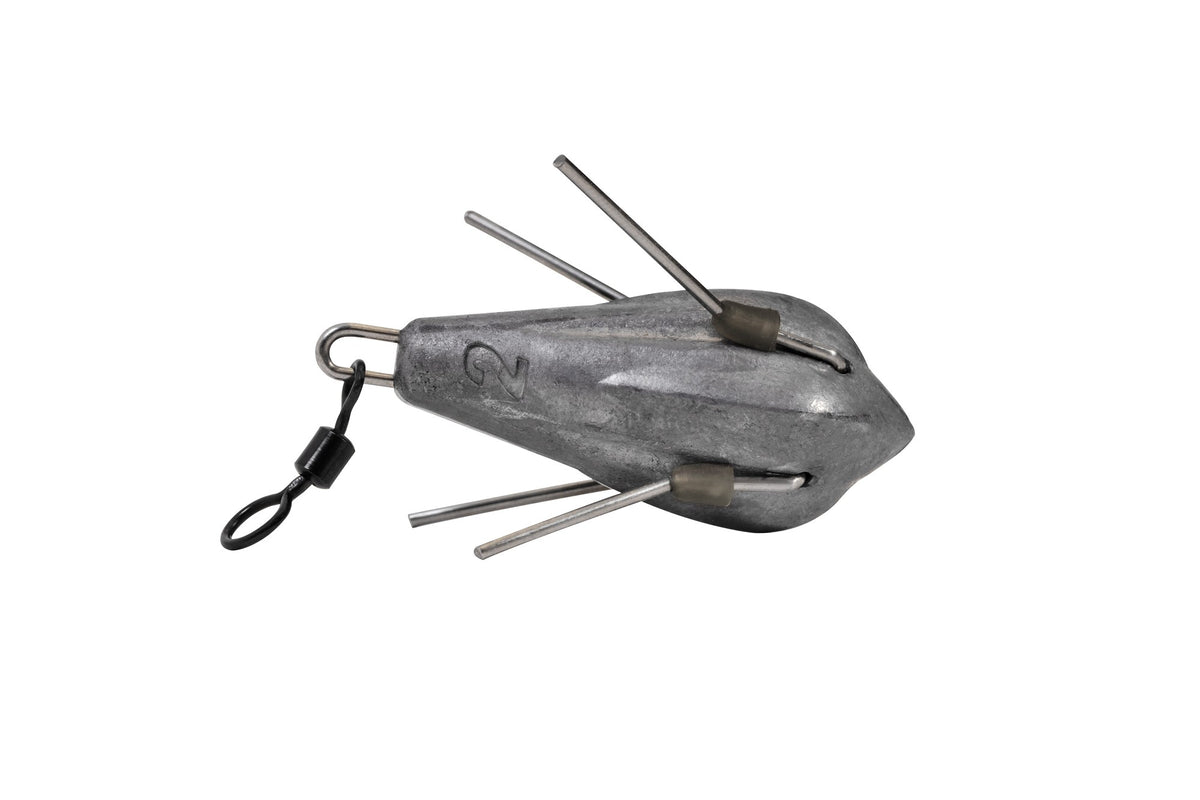
A clever bit of marker tackle for finding out what’s really going on under your spot. The four-pronged design tells you far more than a smooth lead ever will.
- Four prongs help reveal lakebed traces that a smooth lead can miss.
- Available in 2oz, 3oz and 4oz versions.
- Supplied in packs of two.
- The prongs lock upright for casting and release when snagged; steady pressure can unlock them in heavy weed, rocks or mussel beds.
Make sure it’s the right one. This review covers the Korda Grapple Lead, the four-pronged lakebed-mapping lead supplied in packs of two.
Tackle Index Score
Tackle Index score
A clever, specialist marker lead that offers information a smooth pattern can’t, with sensible snag-release thinking built in.
- Product Quality9/10
- Performance8.9/10
- Impact on Fish Catching8.8/10
- Ease of Use8.5/10
- Value for Money8.6/10
If you buy through our links, we might get a small kickback, but it won’t cost you a penny extra. As an Amazon Associate I earn from qualifying purchases. The full story
Who it suits
Is it right for you?
Great for
- Carp anglers choosing a new marker spot. It gives you extra clues about the lakebed before you start fishing, especially around transitions between clean and choddy areas.
- Anglers looking for natural-food signs. Collected bloodworm, silt and detritus can reveal what’s present on the bottom and help shape your baiting plan.
Maybe skip if
- Anglers after a general-purpose lead. A smooth lead is simpler for routine casting, plumbing depths and fishing over a known spot.
- Anyone fishing snaggy ground without care. The release feature helps, but rocks, mussel beds and heavy weed still demand steady pressure and sensible tackle handling.
The lowdown
Introducing the Korda Grapple Lead
A clever bit of marker tackle for finding out what’s really going on under your spot. The four-pronged design tells you far more than a smooth lead ever will.
- Four prongs help reveal lakebed traces that a smooth lead can miss.
- Available in 2oz, 3oz and 4oz versions.
- Supplied in packs of two.
- The prongs lock upright for casting and release when snagged; steady pressure can unlock them in heavy weed, rocks or mussel beds.
Quick verdict
Verdict: a proper edge for understanding your spot
The Korda Grapple Lead is a cracking tool when you need more than a basic depth reading. Its four prongs drag through the lakebed and bring back clues about weed, silt, detritus and even bloodworm activity.
It’s not an everyday casting lead, and it won’t replace a smooth lead for general marker work. But when you’re trying to separate clean gravel from soft silt or locate a bit of chod-free bottom, it can save loads of guesswork and help you fish with far more confidence.
A clever, specialist marker lead that offers information a smooth pattern can’t, with sensible snag-release thinking built in.
- Product Quality
- 9/10
- Performance
- 8.9/10
- Impact on Fish Catching
- 8.8/10
- Ease of Use
- 8.5/10
- Value for Money
- 8.6/10
The four-prong design and lock-and-release system give it a clear, purposeful job rather than adding gimmicks.
It should provide useful bottom samples and lakebed clues when retrieved steadily and carefully.
Better knowledge of weed, silt and natural food can lead to sharper spot choice and more confident presentation.
The prongs lock for casting and the idea is straightforward, though inspecting samples adds a little effort.
Two leads per pack and a genuinely specialist purpose make it good value for anglers who regularly map new or uncertain spots.
Head to head
How it stacks up
Side by side with the closest kit we've reviewed. This updates as we add more reviews.
Korda
Korda Grapple Lead (this one)
Top scorer
Top scorer
Scores are our own, out of 10. Best in each row is in green. Prices change, so check the latest before you buy.
The full rundown
Everything you'll want to know about the Korda Grapple Lead
There are times on the bank when a standard marker lead only tells half the story. You can feel it hit bottom, drag it back and get a rough idea of depth and firmness. Handy, sure. But what if the spot feels clean while it’s actually covered in tiny bits of weed, soft silt or natural food? That’s where the Korda Grapple Lead comes in. It’s a specialist tool for finding out what’s really going on beneath your rig.
The big difference is the four-pronged design. Instead of gliding across the lakebed like a smooth lead, the prongs dig in and collect little traces as you retrieve it. That can include weed, silt, detritus and bloodworm. You’re not just asking, ‘How deep is it?’ You’re asking, ‘What’s down there, mate?’ For locating a proper feeding area, that extra information can be dead handy.
Before casting, the prongs lock upright. That keeps the lead tidy and ready for a controlled cast rather than having the arms flapping about and causing a faff. Once it lands, the design starts doing its job on the retrieve. You’ll want to bring it back steadily and pay attention to what comes up. The material caught on the prongs can give you a useful snapshot of the lakebed.
It’s particularly useful when you’re faced with a big expanse of similar-looking water. A flat, calm surface can hide all sorts beneath it. One part of the lake may be firm gravel, another soft silt, and a third covered in light weed. The Grapple Lead helps you find those transitions. Those little changes can be proper carp magnets, especially when fish are moving between a clean feeding area and nearby cover.
The bloodworm angle is interesting too. If the prongs bring back signs of natural food, that’s a clue worth taking seriously. It doesn’t guarantee a screaming take, obviously, but it can help you understand why a certain area might be attractive at different times of year. In colder months, natural food can be a big part of the picture. The more you know about the bottom, the less you’re fishing blind.
There are three weights to choose from: 2oz, 3oz and 4oz. That gives you some flexibility depending on the range, depth and gear you’re using. The lighter option can make sense for close-range investigation, while the heavier sizes offer more authority when you need to cast further or keep contact with a deeper lakebed. Match the lead to your marker setup rather than simply reaching for the biggest one.
The release system is another thoughtful touch. If the prongs become snagged, they’re designed to release. In heavy weed, around rocks or over mussel beds, steady pressure can unlock the prongs and help free the lead. You still need to fish sensibly, though. Don’t bully a snagged setup like you’re trying to shift a tree stump. Take your time, keep the pressure controlled and protect the rest of your end tackle.
What you get here is a proper information-gathering tool, not a flashy gimmick. It won’t replace a smooth lead for every marker job, and it’s not something you’ll necessarily leave clipped up all session. But when you’ve got a new water, an unfamiliar swim or a spot that feels nearly right, the Grapple Lead can reveal the details that matter. For anglers who like to make a plan before the rods are off, it’s a bob-on bit of kit.
The pack contains two leads, and the available sizes cover a useful spread of marker situations. Use it to compare swims, check a margin shelf, investigate a bar or work out whether that promising-looking plateau is actually clean. A few careful retrieves can give you a much better starting point for rigs and bait. That’s the real appeal: fewer hunches, less guesswork and a clearer idea of where your next bite could come from.
Specifications
The nuts and bolts
- Purpose
- Mapping and analysing the lakebed
- Prong design
- Four prongs
- Available weights
- 2oz, 3oz and 4oz
- Pack size
- Two leads
- Casting feature
- Prongs lock upright before casting
- Release system
- Prongs release when snagged and can be unlocked with steady pressure in heavy weed, rocks or mussel beds
Specs checked with Korda, Oct 2026.
Spot a model or spec change?
Our take
The real advantage is information
Most marker leads tell you how deep the water is and whether the bottom feels firm. The Grapple Lead adds another layer: what’s actually living or sitting in that lakebed.
That makes it especially handy before committing a spread of bait. A few careful casts can tell you whether your chosen area is clean, silty, weedy or full of natural food. That sort of information can be the difference between a quiet night and a proper bite-time.
Read the bottom
Closer look at what you’re buying
The Grapple Lead has four prongs that lock upright before casting. On the retrieve, those prongs disturb and collect material from the lakebed, giving you clues that a smooth lead can easily leave behind.
Expect to see weed, silt, detritus or bloodworm gathered up when the lead is doing its job. That makes it useful for checking whether a spot is clean, soft, weedy or rich in natural food.
It comes in 2oz, 3oz and 4oz sizes, with two leads in a pack. The prongs release if the lead snags, while steady pressure can unlock them in heavy weed, rocks or mussel beds.
Worth knowing. Retrieve it steadily and inspect what comes back. The sample is the whole point, so don’t just wind it in and chuck it straight back out without having a proper look.
Make a better plan
Who it suits
This is aimed at carp anglers who want to understand a water before settling on a spot. It’s especially useful on new venues, unfamiliar swims and areas where the depth feels promising but the bottom composition is unclear.
It also suits anglers who pay attention to natural food. Bloodworm and other lakebed traces can help you build a picture of what carp may be finding, which can influence where you bait and how confidently you fish.
If you already know a swim inside out and only need to clip up and fish, a standard lead may be less faff. The Grapple Lead earns its keep when you’re investigating, comparing and making decisions.
Worth knowing. Use the lightest size that gives you the casting control and bottom contact you need. There’s no prize for launching the heaviest lead when a closer, more delicate search will do.
Quick answers
FAQs in full
Can it be used as a normal fishing lead? It’s primarily designed for lakebed mapping and analysis. You’ll get far more from it as an investigative tool than by treating it like your everyday lead pattern.
Will it tell you exactly where carp are? No lead can promise that. What it can do is show you useful details about the bottom, including weed, silt, detritus and bloodworm, so you can make a more informed choice.
Is it safe around snags? The prongs are designed to release when snagged, and steady pressure can unlock them in heavy weed, rocks or mussel beds. Still, fish responsibly and don’t wrench hard against a stuck lead.
Worth knowing. Think of the Grapple Lead as a lakebed detective. It gives you evidence to work with, then you decide how to position the rig, spread the bait and fish the spot.
On paper
Pros & cons
What we like
- Gives a much clearer picture of what’s on the bottom than a standard lead.
- Four prongs collect weed, silt, detritus and bloodworm traces.
- Prongs lock upright before the cast, then release when the lead is snagged.
- Three weights cover lighter and more demanding marker work.
Worth knowing
- It’s a specialist tool rather than a lead you’ll use for every cast.
- Retrieval can bring back a messy sample, so you’ll need to inspect what the prongs collect.
- Snags, rocks and mussel beds still need careful handling and sensible pressure.
Want one?
Add it to your Wanted list or join a Group Buy — shops see anonymous totals only.
Your questions answered
What anglers want to know
The stuff you’d ask your mate on the next peg. Straight answers, no waffle.
01What does the Korda Grapple Lead do?
What does the Korda Grapple Lead do?
It’s designed to map and analyse the lakebed. Its four prongs drag through the bottom and can bring back weed, silt, detritus and bloodworm traces that a smooth lead may miss.
02How do you cast the Korda Grapple Lead?
How do you cast the Korda Grapple Lead?
The four prongs lock upright before casting. Once the lead is on the bottom, retrieve it steadily so the prongs can work through the lakebed and give you something to inspect.
03What happens if the Grapple Lead snags?
What happens if the Grapple Lead snags?
The prongs are designed to release when the lead becomes snagged. In heavy weed, rocks or mussel beds, steady pressure can unlock them and help free the lead.
What anglers say
The word from the bank
Our read: verdict: a proper edge for understanding your spot. The strongest reasons to choose it are gives a much clearer picture of what’s on the bottom than a standard lead. and four prongs collect weed, silt, detritus and bloodworm traces.; the main trade-off is it’s a specialist tool rather than a lead you’ll use for every cast..
Our take on the feedback
Why it appeals
Checked Sept '26 — “Gives a much clearer picture of what’s on the bottom than a standard lead.”
Best fit
Checked Sept '26 — “Carp anglers choosing a new marker spot: It gives you extra clues about the lakebed before you start fishing, especially around transitions between clean and choddy areas.”
Worth knowing
Checked Sept '26 — “It’s a specialist tool rather than a lead you’ll use for every cast.”
Tackle Index’s take from the product details and fishing fit we checked. We haven’t found enough independent public feedback to call this an angler consensus yet.
Angler score
What our readers rate Korda Grapple Lead
No angler score yet — nobody's reviewed Korda Grapple Lead here. Be the first and get the score started.
Owner reports
Own this? Help the next angler.
Quick multiple-choice reports from people who say they own the Korda Grapple Lead. Not verified purchases, and kept separate from our score.
No owner reports yet.
Alternatives & go-withs