Korum
Korum Transition Barbel Rod
Coarse fishing · Barbel rods · Our take
Korum Transition Barbel Rod
Korum Transition Barbel Rod
A tidy, purposeful barbel rod for anglers who want proper control in flow, snaggy swims and close-range hit-and-hold situations without lugging a broomstick around.
- Designed for barbel and powerful river coarse fishing.
- Available in different length and test-curve options, so check the exact version carefully.
- Suited to feeder, lead and static bait tactics rather than delicate float work.
- Best used where control, playing power and a sensible amount of tip response matter.
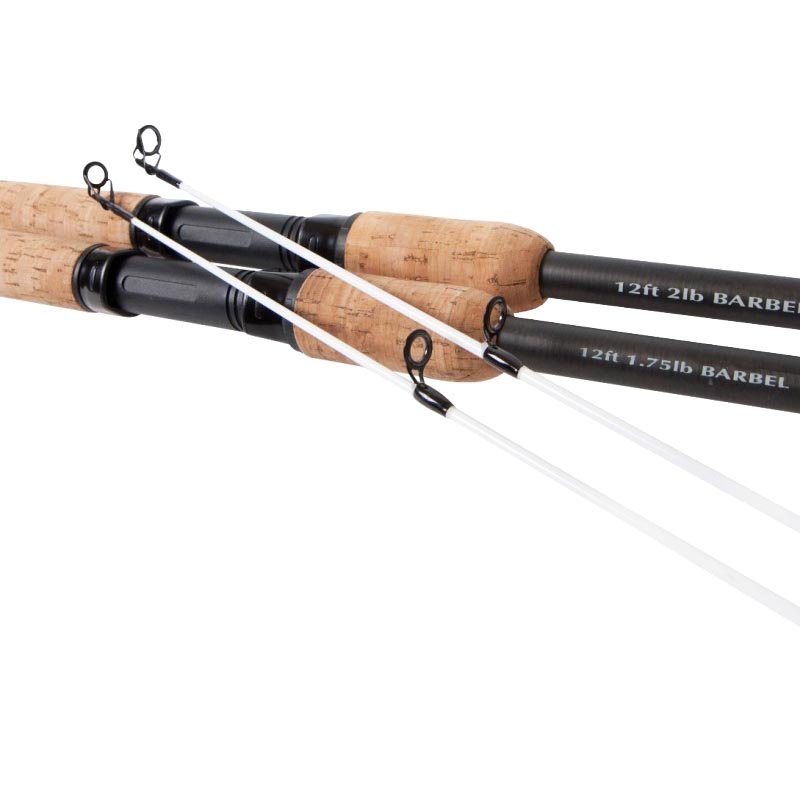
Make sure it’s the right one. This review covers the Korum Transition Barbel Rod range rather than one specific length or test curve. Exact action and handling vary between the available versions, so check the marking on the section before buying.
Tackle Index Score
Tackle Index score
A capable specialist rod with a clear purpose, scoring well when matched to the right river and tactic.
- Product Quality8.8/10
- Performance8.8/10
- Impact on Fish Catching8.8/10
- Ease of Use8.3/10
- Value for Money8.6/10
If you buy through our links, we might get a small kickback, but it won’t cost you a penny extra. As an Amazon Associate I earn from qualifying purchases. The full story
Who it suits
Is it right for you?
Great for
- River anglers targeting barbel. You get the power to steer a lump, plus enough tip response to keep the fight connected.
- Coarse anglers fishing leads and feeders. It suits straightforward, reliable setups where holding bottom and controlling the fish matter more than delicate presentation.
Maybe skip if
- Anglers mainly fishing small streams. A specialist barbel blank can be overkill where fish are smaller and there’s plenty of open water.
- Float anglers after roach, dace and chub. The rod’s strength and action are aimed at barbel tactics, not light trotting or fine float work.
The lowdown
Introducing the Korum Transition Barbel Rod
A tidy, purposeful barbel rod for anglers who want proper control in flow, snaggy swims and close-range hit-and-hold situations without lugging a broomstick around.
- Designed for barbel and powerful river coarse fishing.
- Available in different length and test-curve options, so check the exact version carefully.
- Suited to feeder, lead and static bait tactics rather than delicate float work.
- Best used where control, playing power and a sensible amount of tip response matter.
Quick verdict
Verdict
The Korum Transition Barbel Rod is a sensible bit of kit for river anglers who want a barbel rod with backbone, but still enough feel for lighter work. It’s aimed squarely at proper coarse fishing rather than pretending to be a carp rod with a fancy badge.
For snaggy margins, steady flow and standard barbel tactics, it looks a bob-on choice. Just match the version to your river and don’t expect one model to cover delicate summer trotting and heavy floodwater chucking equally well.
A capable specialist rod with a clear purpose, scoring well when matched to the right river and tactic.
- Product Quality
- 8.8/10
- Performance
- 8.8/10
- Impact on Fish Catching
- 8.8/10
- Ease of Use
- 8.3/10
- Value for Money
- 8.6/10
Korum’s specialist coarse design is practical and focused on the demands of river fishing.
The range offers the control and playing power needed for leads, feeders and strong-flow situations.
Better control around cover can turn hook-ups into fish on the mat, provided the right version is chosen.
It should be straightforward for standard barbel tactics, though selecting between versions needs a little care.
It offers useful specialist performance without needing an overly complicated setup, but value depends on choosing the correct model.
Head to head
How it stacks up
Side by side with the closest kit we've reviewed. This updates as we add more reviews.

Top scorer
Top scorer
Scores are our own, out of 10. Best in each row is in green. Prices change, so check the latest before you buy.
The full rundown
Everything you'll want to know about the Korum Transition Barbel Rod
Barbel fishing doesn’t need to be complicated. A decent rod, a reliable reel, strong line and a bait that gets the right fish interested will do the business. The tricky bit is having enough control when a barbel grabs the bait and heads straight for the nearest bit of trouble. That’s where the Korum Transition Barbel Rod comes in.
This is a proper river tool, not a soft little wand dressed up as a specialist rod. It’s designed around the jobs barbel anglers actually face: casting a lead or feeder, holding bottom in flow, feeling what’s happening at the business end and putting the brakes on when a fish makes a bolt for weed or roots.
The range comes in different versions, and that matters. A shorter, lighter model can be lovely for close margins, small rivers and sneaky summer sessions. A longer or more powerful version makes more sense when you’re fishing wider water, heavier leads or a swim where the fish must be stopped sharpish.
Don’t just buy the one with the biggest number because it sounds more serious, mind. Too much rod can make a smaller river feel clumsy, and you’ll lose some of the enjoyment when a chub or modest barbel is on the other end. The sweet spot is the version that gives control without turning every take into a tug of war.
For standard static bait fishing, the Transition should pair nicely with a sensible free-spool or big-pit-style reel, depending on the river and range. Load up with a robust main line, add a suitable leader or shock section where needed, and keep the end tackle tidy. Barbel aren’t bothered about fancy clutter, but they’ll soon find a weak link.
It also makes sense with feeder work. If you’re using a blockend or method-style feeder for chub, barbel or mixed river fish, the stronger blank gives you confidence when the feeder needs shifting and the fish turns downstream. Keep the setup balanced, though. A rod this purposeful won’t magically make an oversized feeder feel graceful.
The action should appeal if you like to stay in touch with the fight. You want enough cushioning to protect a hook hold, especially with barbel making those heavy lunges close in, but you also need the backbone to guide them away from snags. That balance is the whole point of a specialist river rod.
On the bank, the real advantage is confidence. You can fish tighter to cover, hold a fish’s head up in flow and keep pressure on without feeling like the blank is folding into a banana. That doesn’t mean bullying every fish. Smooth pressure still wins more battles than yanking the rod around like you’re starting a strimmer.
There are limits, naturally. This isn’t the rod for delicate trotting, tiny hooks and shy winter roach. It’s also not one universal answer for every river. Pick the right Transition version, match it with a sensible reel and line, and it should be a cracking companion when the barbel are on the munch and the river’s got a bit of push in it.
Specifications
The nuts and bolts
- Rod type
- Specialist barbel and river coarse rod
- Tactics
- Static leads, feeders and bait fishing
- Options
- Made in a range of lengths and test curves; confirm the exact model marking
- Use
- River fishing, including flow and snaggy swims
- Brand
- Korum
Specs checked with Korum, Oct 2026.
Spot a model or spec change?
Our take
The angle
The Transition Barbel Rod makes most sense as a practical river tool. It’s built around control: guiding a fish away from weed, roots and far-bank cover, keeping a solid lead or feeder moving properly and putting pressure on a barbel when the rods are off.
That makes it more specialised than an all-round feeder rod, but less of a blunt instrument than some powerful specialist blanks. Pick the right length and test curve, and it should slot neatly into a serious coarse angler’s kit.
Closer look
A river rod with a job to do
The Korum Transition Barbel Rod is built for control rather than showing off. Its role is clear: fish leads and feeders, keep presentations where they belong and handle powerful fish in moving water. That focus is a good thing when you’re setting up for a proper barbel session.
The blank needs to do two jobs at once. It must cushion lunges and protect the hook hold, then provide enough lower-section power to steer a fish away from snags. That makes it useful in margins, crease lines and swims where a barbel can disappear into trouble in seconds.
The range approach is handy, but it means you need to read the exact model details. Length and test curve alter casting feel, control and how comfortable the rod is in a cramped swim. Don’t treat every Transition Barbel Rod as interchangeable.
Worth knowing. Your reel, line and lead need balancing with the rod. A strong blank still fishes better when the whole setup works together, rather than when every component is simply the biggest one in the tackle box.
Who it suits
Best on proper river work
This rod suits anglers who fish for barbel with static baits, feeders or leads and want a bit of authority when the take comes. It’s especially useful around weed, reedbeds, trailing branches and other areas where a fish can turn a clean fight into a right old faff.
It’ll also suit coarse anglers who fish mixed rivers and want one specialist rod that can handle barbel, bigger chub and the odd surprise. Match the version to the venue and you’ll have a practical tool rather than a one-trick stick.
It’s less convincing for light float fishing. If your favourite session involves a delicate waggler, tiny baits and silver fish competing in the upper layers, this rod will feel too purposeful. That’s not a fault; it’s simply aimed at a different job.
FAQs in full
The stuff anglers actually ask
Can it handle a big river? Yes, provided you choose the version with enough length and power for the flow, range and lead size. The rod is intended for demanding river work, but no blank replaces sensible tackle choices or good fish control.
Is it suitable for winter barbel? It can be, especially when you’re fishing static baits and need dependable control in deeper, colder water. Keep the tip and clutch working smoothly, and don’t fish locked solid just because the rod has backbone.
Will it cast feeders? That’s one of its natural jobs. Keep within the intended limits of the particular model, make a smooth cast and avoid turning a balanced setup into an over-gunned chucking outfit.
Worth knowing. The best version is the one that fits your venue. Small river and margin anglers should favour manageable power; wider rivers, heavier flow and snaggy swims may justify stepping up.
On paper
Pros & cons
What we like
- Proper control when a barbel heads for weed, roots or snags.
- Balanced specialist design without feeling like an out-and-out carp rod.
- Useful for leads, feeders and a range of river bait tactics.
- Korum’s coarse-focused approach keeps the rod practical and uncluttered.
Worth knowing
- Different versions suit very different rivers, so choosing by name alone is a bit naff.
- Not the first pick for light trotting or small silver-fish work.
- The stronger models can feel more rod than you need in small, open streams.
Want one?
Add it to your Wanted list or join a Group Buy — shops see anonymous totals only.
Your questions answered
What anglers want to know
The stuff you’d ask your mate on the next peg. Straight answers, no waffle.
01What sort of fishing is the Korum Transition Barbel Rod for?
What sort of fishing is the Korum Transition Barbel Rod for?
It’s aimed at river barbel fishing and other powerful coarse work. Think leads, feeders, bait in flow and swims where you need to turn a fish before it reaches cover.
02Can it be used for chub?
Can it be used for chub?
Yes, particularly when you’re fishing snaggy margins or stronger water. For small open streams, though, a lighter specialist or float rod will be more enjoyable.
03Which version should I choose?
Which version should I choose?
Match the rod to the river first. Go lighter for smaller rivers and closer-range work, then step up in length or test curve when you’re casting further, holding more lead or fishing heavier flow. Check the exact model details before ordering.
What anglers say
The word from the bank
Our read: verdict. The strongest reasons to choose it are proper control when a barbel heads for weed, roots or snags. and balanced specialist design without feeling like an out-and-out carp rod.; the main trade-off is different versions suit very different rivers, so choosing by name alone is a bit naff..
Our take on the feedback
Why it appeals
Checked Sept '26 — “Proper control when a barbel heads for weed, roots or snags.”
Best fit
Checked Sept '26 — “River anglers targeting barbel: You get the power to steer a lump, plus enough tip response to keep the fight connected.”
Worth knowing
Checked Sept '26 — “Different versions suit very different rivers, so choosing by name alone is a bit naff.”
Tackle Index’s take from the product details and fishing fit we checked. We haven’t found enough independent public feedback to call this an angler consensus yet.
Angler score
What our readers rate Korum Transition Barbel Rod
No angler score yet — nobody's reviewed Korum Transition Barbel Rod here. Be the first and get the score started.
Owner reports
Own this? Help the next angler.
Quick multiple-choice reports from people who say they own the Korum Transition Barbel Rod. Not verified purchases, and kept separate from our score.
No owner reports yet.
Alternatives & go-withs