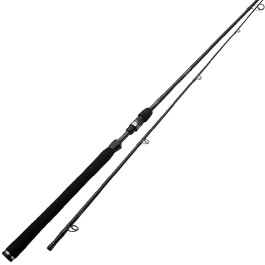
Photos: Westin · supplied retailer imagery
Predator tackle · Lure rods · Our take
Westin W3 Powershad Rod
8ft, two-piece: 7–25g medium or 15–40g medium-heavy
An 8ft lure rod with two useful casting options, a two-piece build and a clear job: working shads for predators. Pick the version around your complete lure weight, not just the fish you fancy catching.
- 8ft length with two-section construction.
- Two options: medium 7–25g and medium-heavy 15–40g.
- Japanese TORAY High Performance Carbon blank with 3K woven Kevlar reinforcement.
- Designed for shad lures and also suitable for wobblers.
Make sure it’s the right one. This review covers the 8ft W3 Powershad options described here, rather than other lengths or later W3 generations.
Tackle Index Score
Tackle Index score
A well-focused lure-rod package with useful casting choices; its strongest case is matching a defined shad outfit rather than promising to cover everything.
- Product Quality8.8/10
- Performance8.8/10
- Impact on Fish Catching8.3/10
- Ease of Use8.8/10
- Value for Money8.3/10
If you buy through our links, we might get a small kickback, but it won’t cost you a penny extra. As an Amazon Associate I earn from qualifying purchases. The full story
Who it suits
Is it right for you?
Great for
- Mobile bank anglers fishing shads. The 8ft format gives useful reach when covering water and steering line around bankside edges.
- Predator anglers building a focused lure outfit. The two casting options let you match the rod to a defined selection of shads and suitable wobblers.
Maybe skip if
- Big-bait pike specialists. Even the heavier version tops out at a stated 40g casting weight.
- Anglers using tiny perch lures in cramped swims. A shorter, lighter-rated rod is a more natural fit for delicate presentations under overhanging cover.
The lowdown
Introducing the Westin W3 Powershad Rod
An 8ft lure rod with two useful casting options, a two-piece build and a clear job: working shads for predators. Pick the version around your complete lure weight, not just the fish you fancy catching.
- 8ft length with two-section construction.
- Two options: medium 7–25g and medium-heavy 15–40g.
- Japanese TORAY High Performance Carbon blank with 3K woven Kevlar reinforcement.
- Designed for shad lures and also suitable for wobblers.
Quick verdict
A sensible shad rod — just get the casting range right
The W3 Powershad makes plenty of sense for mobile predator fishing with shads and the occasional wobbler. Its 8ft length offers useful reach from the bank, while the two-piece build keeps transport straightforward.
Go 7–25g for lighter lure work or 15–40g when your complete shad-and-jighead combinations need more allowance. Neither is a big-bait pike rod, and the longer format can be a faff in cramped swims.
A well-focused lure-rod package with useful casting choices; its strongest case is matching a defined shad outfit rather than promising to cover everything.
- Product Quality
- 8.8/10
- Performance
- 8.8/10
- Impact on Fish Catching
- 8.3/10
- Ease of Use
- 8.8/10
- Value for Money
- 8.3/10
The TORAY carbon blank, woven Kevlar reinforcement and named fittings give it a credible build package.
The 8ft format and two casting ranges offer useful scope for bank-based shad work, with predictable limits in tight spaces and heavy-lure fishing.
Matching the rod to your shads can support better presentation and line management, but location and lure choice still do the heavy lifting.
Two-piece construction and clearly separated casting options keep ownership straightforward, although 8ft won't suit every swim.
It offers a sensible focused package, though the value depends on the current asking price and how closely it fits your regular lure fishing.
Head to head
How it stacks up
Side by side with the closest kit we've reviewed. This updates as we add more reviews.

Top scorer
Scores are our own, out of 10. Best in each row is in green. Prices change, so check the latest before you buy.
The full rundown
Everything you'll want to know about the Westin W3 Powershad Rod
If your idea of a good predator session is a lure box, a landing net and a proper wander, the Westin W3 Powershad is aimed squarely at that sort of fishing. It's an 8ft, two-piece rod designed for shads, with wobblers also on the menu. No need to dress it up as a rod for absolutely everything. The appeal is simpler: pick a casting range that matches your lures, cover some water and work those likely spots rather than lugging half the tackle shed along.
There are two versions to get your head around here: the medium 7–25g and the medium-heavy 15–40g. Those labels are useful for telling them apart, but the numbers do the real buying advice. Think about what actually leaves the rod tip. A shad body has its own weight before you've added a jighead, and any extra hardware counts too. Buying around the head weight alone is an easy mistake. A quick weigh of your favourite ready-to-fish combinations can save you choosing the wrong tool.
The 7–25g option is the more natural starting point for lighter shad fishing, including perch and zander presentations that fit comfortably within its range. The 15–40g gives you more allowance for heavier jigheads and larger combinations, which can become useful with extra depth or flow. That doesn't mean you should automatically buy the heavier one for pike, mate. Fish size isn't the only thing deciding rod choice. Your lure, the swim and a sensibly balanced line-and-drag setup matter much more than a species label on its own.
At 8ft, there's a clear bank-fishing argument for this rod. The extra reach can help you guide line past marginal growth, change the angle of a retrieve and manage a lure along an awkward bank edge. On open stretches, that's dead handy. Under low branches or tucked into a tiny gap between bushes, less so. More length doesn't automatically mean more useful fishing room. If most of your sessions involve short flicks beneath cover, a shorter lure rod may make life easier rather than turning every cast into a negotiation.
The build includes a Japanese TORAY High Performance Carbon blank with 3K woven Kevlar reinforcement. Alongside that are an SKS reel seat, LTS ring guides and a premium EVA handle with a rubber cork insert. That's the actual component picture, without pretending a carbon name tells you everything about how a rod behaves. For everyday ownership, the two-section layout is arguably just as relevant. It makes an 8ft rod more manageable in the car and on the way to the water, though it's still not a compact travel rod.
With shads, the useful bit is having an outfit that suits the presentation rather than forcing every lure into the same routine. You might swim a paddle tail steadily above weed, or use controlled lifts and pauses to explore a cleaner bottom. Adjust jighead weight to the depth and current, not simply to make the lure plummet. Keep an eye on the line during the drop as well: a twitch or unexpected slack can be the clue. A well-chosen rod helps you manage that job; it doesn't do the watching for you.
Wobblers add a bit of flexibility when the fish want a different look. Stay within the chosen casting range, but remember that casting weight and retrieve resistance aren't the same thing. A hard-pulling diving plug can ask more of a rod than another lure of similar weight. Equally, neither Powershad option here is a green light for chucking huge pike plastics. Where pike are likely, use an appropriate wire trace and have your unhooking kit ready. Sorting that before the first cast is far better than scrambling around after a take.
The buying case is strongest when you already know roughly what you want to throw. Build a useful little selection around one of those casting ranges and the W3 Powershad looks a sensible fit for roaming predator work. Buy it hoping to cover tiny perch lures, hefty pike baits and every cramped swim in between, and you'll be asking too much. Keep the job focused and the choice gets much easier: lighter combinations, look at 7–25g; heavier shad work, look at 15–40g. Straightforward stuff, and all the better for it.
Specifications
The nuts and bolts
- Length and sections
- 8ft; two-piece construction
- Casting options
- Medium: 7–25g; medium-heavy: 15–40g
- Blank and reinforcement
- Japanese TORAY High Performance Carbon; 3K woven Kevlar reinforcement
- Reel seat
- SKS
- Guides
- LTS ring guides
- Handle
- Premium EVA with rubber cork insert
Specs checked with Westin, Oct 2026.
Spot a model or spec change?
Our take
Buy it around the lure, not the target fish
The useful decision here isn't simply perch versus pike. It's the weight and resistance of the lures you're actually casting, plus the depth and flow you're fishing.
A plastic body, jighead and extra hardware all count towards casting weight. Add them together before choosing your version — that's more useful than buying the beefier rod just in case a lump turns up.
The build
Closer look: useful reach, with a focused lure brief
You're buying an 8ft, two-piece predator rod built around shad fishing, rather than a general coarse rod pressed into lure duty. The TORAY carbon blank and woven Kevlar reinforcement sit alongside an SKS reel seat and LTS guides. The EVA handle with rubber cork insert completes a practical-looking package.
The medium and medium-heavy descriptions shouldn't be turned into claims about an exact tip action or bend profile. The firm distinction is their stated casting ranges: 7–25g and 15–40g. That's the detail to use when sorting which of your existing lures belongs with which version.
Worth knowing. Weigh your shad ready to cast, not just its jighead. Leave yourself some room for changing head weights as depth or flow changes, rather than building every combination right against the rod's upper limit.
Your fishing
Who it suits: the angler who likes covering water
This format makes sense for bank anglers moving between likely holding areas and casting a manageable selection of shads. The reach can be useful along canals, rivers and stillwaters with enough casting space. Choose the range around your usual presentations, then balance the reel and line to the whole outfit.
It's less convincing as your only rod if you regularly switch between tiny perch offerings and chunky pike baits. Those jobs pull in opposite directions. Likewise, anglers working beneath dense trees or mainly fishing vertically from a cramped boat may prefer something shorter. That's a fit issue, not a reason to write the Powershad off.
For value, the useful question is whether it covers the fishing you actually do. Compare the current asking price with similarly rated two-piece lure rods, rather than paying extra for a component name alone. A rod that matches your everyday lure box is a better buy than a supposedly versatile one that never feels suited to the job.
Before you buy
FAQs in full: picking the right Powershad
Which version should you choose? Start with your most-used complete lure weights. If those sit comfortably in the 7–25g range, there's no need to choose 15–40g simply for reassurance. If heavier combinations are your regular fare, the medium-heavy option makes more sense. Neither range promises identical handling at both extremes.
Can it work wobblers? Yes, they're part of its intended use alongside shads. Match their weight to the rod and consider how hard they pull. If a diving lure is heavily loading the outfit throughout the retrieve, its casting weight alone isn't telling the whole story.
Can you use it for pike? Yes, with suitable lures and a balanced predator setup. The 40g ceiling on the heavier version still rules out plenty of big-bait work. Use a suitable wire trace where pike may take, carry long forceps and appropriate cutters, and have a proper landing net and unhooking surface ready.
On paper
Pros & cons
What we like
- Two casting ranges give you a meaningful choice for different shad weights.
- 8ft format provides useful reach for bank fishing and line management.
- Two-piece construction is easier to transport than a one-piece 8ft rod.
- Shad-focused design still leaves room for wobblers.
Worth knowing
- 8ft can feel cumbersome beneath trees or in tight boat spaces.
- Neither option covers genuinely heavy pike lures.
- The 15–40g version isn't the sensible choice for small, lightweight perch presentations.
Want one?
Add it to your Wanted list or join a Group Buy — shops see anonymous totals only.
Your questions answered
What anglers want to know
The stuff you’d ask your mate on the next peg. Straight answers, no waffle.
01Which casting weight should I choose?
Which casting weight should I choose?
Choose around the total weight you cast. The 7–25g version suits lighter combinations; the 15–40g option accommodates heavier ones. Include the soft plastic, jighead and any extra hardware.
02Can the W3 Powershad fish wobblers as well as shads?
Can the W3 Powershad fish wobblers as well as shads?
Yes. It's designed for shads but is also suitable for wobblers. Stay within the chosen rod's casting range and remember that deep-diving or hard-pulling lures can load the rod more heavily during the retrieve.
03Is it suitable for pike fishing?
Is it suitable for pike fishing?
Yes, for appropriately sized lure work rather than heavy big-bait fishing. Choose a balanced outfit, use a suitable wire trace wherever pike are likely, and carry proper predator unhooking and landing gear.
What anglers say
The word from the bank
Our read: a sensible shad rod — just get the casting range right. The strongest reasons to choose it are two casting ranges give you a meaningful choice for different shad weights. and 8ft format provides useful reach for bank fishing and line management.; the main trade-off is 8ft can feel cumbersome beneath trees or in tight boat spaces..
Our take on the feedback
Why it appeals
Checked Sept '26 — “Two casting ranges give you a meaningful choice for different shad weights.”
Best fit
Checked Sept '26 — “Mobile bank anglers fishing shads: The 8ft format gives useful reach when covering water and steering line around bankside edges.”
Worth knowing
Checked Sept '26 — “8ft can feel cumbersome beneath trees or in tight boat spaces.”
Tackle Index’s take from the product details and fishing fit we checked. We haven’t found enough independent public feedback to call this an angler consensus yet.
Angler score
What our readers rate Westin W3 Powershad Rod
No angler score yet — nobody's reviewed Westin W3 Powershad Rod here. Be the first and get the score started.
Owner reports
Own this? Help the next angler.
Quick multiple-choice reports from people who say they own the Westin W3 Powershad Rod. Not verified purchases, and kept separate from our score.
No owner reports yet.
Alternatives & go-withs