Photos: Daiwa · supplied retailer imagery
Lures · Paddle-tail soft plastics · Our take
Daiwa Daiwa Prorex Classic Shad
Prorex Classic Shad / Duck Fin
A Duck Fin paddle tail, flanking body action and scope for slow or lively retrieves make this a handy soft plastic for your predator box. Just leave room in the budget for the rigging.
- Duck Fin paddle-tail design produces strong vibrations.
- Slim-profile body reduces lure weight and adds a flanking swimming action.
- Ribbed tail can fold back when a fish inhales the lure.
- Suitable for slow and fast presentations.
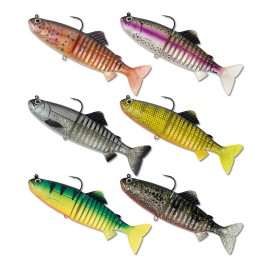
Make sure it’s the right one. This is the Daiwa Prorex Classic Shad paddle-tail soft lure, with the Duck Fin tail design. No particular size or colour is specified here.
Tackle Index Score
Tackle Index score
A useful design-led score for a versatile soft shad; rigging requirements and ordinary soft-plastic wear keep expectations sensible, while value depends on the pack deal available.
- Product Quality8.6/10
- Performance8.9/10
- Impact on Fish Catching8.4/10
- Ease of Use8.6/10
- Value for Money8.3/10
If you buy through our links, we might get a small kickback, but it won’t cost you a penny extra. As an Amazon Associate I earn from qualifying purchases. The full story
Who it suits
Is it right for you?
Great for
- Predator anglers who like simple retrieve patterns. The paddle tail and body action provide movement without needing constant twitching and jerking.
- Anglers happy to fine-tune their jigging setup. Matching hook and head weight lets you tailor the presentation to depth, flow and retrieve pace.
Maybe skip if
- Anyone wanting an entirely ready-to-fish lure. You need to sort a suitable rigging setup rather than assume this soft shad is the complete package.
- Anglers prioritising maximum durability. A soft body and flexible tail won’t shrug off teeth and handling like a hard-bodied lure.
The lowdown
Introducing the Daiwa Daiwa Prorex Classic Shad
A Duck Fin paddle tail, flanking body action and scope for slow or lively retrieves make this a handy soft plastic for your predator box. Just leave room in the budget for the rigging.
- Duck Fin paddle-tail design produces strong vibrations.
- Slim-profile body reduces lure weight and adds a flanking swimming action.
- Ribbed tail can fold back when a fish inhales the lure.
- Suitable for slow and fast presentations.
Quick verdict
A straightforward shad with useful rigging flexibility
The Prorex Classic Shad makes sense if you want a slim soft plastic with a proper swimming action rather than something that needs constant rod work. Its Duck Fin tail and flanking body give you movement on a straightforward retrieve, with room to change pace.
The catch? You still need to match the hook and weight to the lure and swim. Get that right and it’s a useful predator option; expect a ready-rigged shortcut or tooth-proof durability and you’re looking in the wrong box.
A useful design-led score for a versatile soft shad; rigging requirements and ordinary soft-plastic wear keep expectations sensible, while value depends on the pack deal available.
- Product Quality
- 8.6/10
- Performance
- 8.9/10
- Impact on Fish Catching
- 8.4/10
- Ease of Use
- 8.6/10
- Value for Money
- 8.3/10
The slim body and purposeful ribbed tail offer thoughtful design, though soft-plastic damage remains a trade-off.
Strong tail vibration, flanking body movement and slow-to-fast presentation options give it useful versatility.
Its swimming action and flexible tail are useful attributes, but location, depth and hook placement still do the heavy lifting.
A straightforward retrieve keeps things accessible once you’ve matched the hook and weight correctly.
Presentation flexibility supports its value, but compare pack prices and allow for rigging costs and replacement bodies.
Head to head
How it stacks up
Side by side with the closest kit we've reviewed. This updates as we add more reviews.
Daiwa
Daiwa Daiwa Prorex Classic Shad (this one)
Top scorer
Scores are our own, out of 10. Best in each row is in green. Prices change, so check the latest before you buy.
The full rundown
Everything you'll want to know about the Daiwa Daiwa Prorex Classic Shad
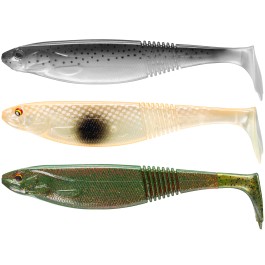
The Daiwa Prorex Classic Shad is the sort of lure that keeps things refreshingly simple: a slim soft body, a paddle tail and plenty of scope to fish it your way. No elaborate retrieve routine to learn before you’ve even had a chuck. Its Duck Fin tail is designed to produce strong vibrations, while the body adds a flanking swimming action. That gives a steady wind a bit more going on than a tail wagging behind an otherwise lifeless lump of plastic.
This is predator tackle, so think lure sessions rather than something to lob beside your carp rods and forget about. Depending on the size you choose and how you rig it, a shad of this type belongs in the conversation for perch, zander and pike. The important bit is matching the whole setup to the job. A lure that looks bob on in the packet still needs a sensible hook, suitable weight and tackle that can deal with the fish you might encounter.
The slim-profile body is a useful part of the design, not just a different silhouette. It reduces the amount of lure weight carried in the body, leaving you to think carefully about the weighting you add through your rig. Don’t mistake slim for automatically shallow-running, though. Depth is a combination of head weight, retrieve speed, line and water movement. On a canal or stillwater, that can mean a very different setup from the one you’d choose to reach fish in a pushing river.
Then there’s that ribbed tail section. It’s designed to fold back when a fish inhales the lure, rather than staying rigid behind the hook. That’s a sensible feature, but it isn’t a magic cure for missed takes. Hook placement, the size of the attacking fish and how the lure enters its mouth still matter. The ribs also help retain applied flavours, which is dead handy if adding a compatible attractant is already part of your routine. You don’t need to make it compulsory.
The ability to use slow and fast presentations is probably the biggest everyday draw. You can cover water with a steady, purposeful retrieve, then ease things down when you reach a likely spot. In colder conditions, that might mean keeping the lure working close to where you reckon fish are holding rather than racing it straight past. In warmer water, or when predators are chasing baitfish, a quicker search can make sense. Let the swim and fish dictate the pace, not a fixed rule from the calendar.
Rigging is where a little care saves a fair bit of faff. With a conventional jig head, line the hook up beside the body before pushing it through, then aim to bring the point out so the lure sits straight. A bunched-up nose or kinked body can spoil the presentation. Keep enough of the rear section free to move, too. Near the margins, give the rig a short swim where you can see it; that’s a much better starting point than discovering a twisted lure after several hopeful casts.
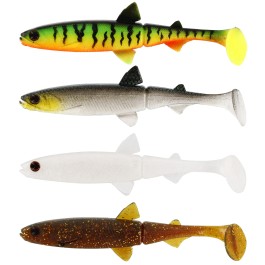
Colour choice doesn’t need to turn into a tackle-shop crisis. Listed options include Motor Oil, Ghost Orange and Rainbow Trout, giving you different looks to consider against the water you’re fishing. Start with visibility, light and the prey fish around you, then change if there’s a reason to. Don’t keep swapping colours while ignoring depth. A lure travelling above or below the fish can be the bigger issue, and a small change in weighting or countdown may be more useful than another rummage through the box.
The limitations are the usual honest ones with a soft shad. Teeth can damage it, careless re-rigging can wear the nose, and an exposed jig hook isn’t your best mate in thick weed. You’re also buying into a system that needs suitable hooks and weights, rather than avoiding those decisions altogether. Still, if you enjoy making small adjustments and covering water, there’s plenty to like here. The Classic Shad offers a straightforward swimming lure with useful flexibility, without asking you to turn every retrieve into a workout.
Specifications
The nuts and bolts
- Lure type
- Paddle-tail soft shad
- Tail design
- Duck Fin with a ribbed tail section
- Body
- Slim profile with flanking swimming action
- Presentation
- Suitable for slow and fast retrieves
- Listed colours
- Motor Oil, Ghost Orange and Rainbow Trout
Specs checked with Daiwa, Oct 2026.
Spot a model or spec change?
Our take
Let the lure swim — don’t overwork it
The useful bit here is the combination of tail vibration and body movement. You can search a stretch with a steady retrieve, then slow down around a likely holding spot without immediately changing lure styles.
Treat head weight as a presentation choice, not an afterthought. Enough weight to reach the fish is handy; so much that you’re constantly ploughing the bottom usually just adds snags and faff.
Design and rigging
Closer look: more than just a wagging tail
The Duck Fin tail supplies strong vibration, while the slim body contributes a flanking swimming action. Those are complementary movements rather than two names for the same thing. On a steady retrieve, the idea is a swimming profile with movement through the body as well as at the tail. You don’t need to hammer it with the rod tip to make that design relevant.
The ribbed tail has two distinct jobs: helping the rear section fold when inhaled and retaining applied flavours. Neither removes the need for sensible rigging. An oversized hook extending too far back can interfere with the flexible section, so choose the hook around the actual lure in your hand rather than grabbing whichever jig head is nearest.
Worth knowing. No particular size is specified here, so there’s no sensible single hook size or head weight to recommend. Check the version you’re buying, then match the rig to both the lure and the swim.
On the bank
Who it suits: anglers who like a simple lure and a bit of adjustment
This is a good fit for roving predator anglers who want to search water without constantly changing retrieve styles. A steady wind gives you a straightforward starting point. Altering the countdown, rod angle and pace then lets you explore different parts of the swim. Make one change at a time and it’s easier to work out what’s actually helping.
It also suits someone learning soft-lure fishing, provided they’re happy to learn the rigging bit alongside the casting. Sitting a shad straight on a jig head is a useful skill, and the setup doesn’t need to become complicated. Around heavy weed or submerged branches, though, an exposed hook brings obvious snag risks. Don’t assume the slim body makes it weedless.
If pike are a realistic possibility, use a suitable bite-resistant trace and carry proper unhooking gear. That applies even when perch are your intended target. Anyone who wants maximum resistance to tooth damage, or a lure with no hook-and-weight decisions attached, may be happier looking at a suitable ready-rigged or hard-bodied alternative.
Quick answers
FAQs in full: pace, jig heads and added flavour
Can you fish it slowly? Yes — slow and fast presentations are both part of its brief. The trick is keeping the lure in the useful zone at your chosen pace. Too much head weight can have a slow retrieve constantly digging into the bottom; too little may struggle to reach the depth you want in flow. Start with control, then refine the speed.
Which jig head should you choose? Match hook dimensions to your chosen shad size, keeping the body straight and the tail section free. Pick the weight for depth, current and presentation, not just casting distance. If you’re unsure, carry a small spread of suitable weights rather than expecting one head to cover every canal, reservoir and river swim.
Will the ribs hold added flavour? They’re designed to help retain it, yes. Use a soft-plastic-compatible product and follow its directions. It’s an optional extra, not a replacement for finding fish or getting the lure to them. Sort your depth and retrieve first; a dollop of attractant won’t rescue a shad swimming nowhere near a predator.
On paper
Pros & cons
What we like
- Tail vibration and flanking body action give a steady retrieve plenty going on.
- Works with both slow and faster presentations.
- Slim body offers a less bulky soft-lure profile.
- Tail ribs help hold applied flavours.
Worth knowing
- Needs an appropriately matched hook and weighting setup.
- Exposed-hook rigging is vulnerable to weed and snaggy bottoms.
- Soft plastic can suffer damage from teeth and repeated rigging.
Want one?
Add it to your Wanted list or join a Group Buy — shops see anonymous totals only.
Your questions answered
What anglers want to know
The stuff you’d ask your mate on the next peg. Straight answers, no waffle.
01Can you fish the Prorex Classic Shad slowly?
Can you fish the Prorex Classic Shad slowly?
Yes. It’s suitable for slow as well as fast presentations. Match your weighting to the depth and flow so a slower retrieve doesn’t simply drag it into the bottom.
02What jig head should you use?
What jig head should you use?
Choose a hook that suits your actual lure size and leaves the tail free to move. Head weight depends on depth, current and the line angle you need; there isn’t one correct weight for every swim.
03Does the ribbed tail hold added flavour?
Does the ribbed tail hold added flavour?
Yes, the ribs help retain applied flavours. Use something compatible with soft plastics, and don’t confuse flavour retention with a guarantee of more bites.
What anglers say
The word from the bank
Our read: a straightforward shad with useful rigging flexibility. The strongest reasons to choose it are tail vibration and flanking body action give a steady retrieve plenty going on. and works with both slow and faster presentations.; the main trade-off is needs an appropriately matched hook and weighting setup..
Our take on the feedback
Why it appeals
Checked Sept '26 — “Tail vibration and flanking body action give a steady retrieve plenty going on.”
Best fit
Checked Sept '26 — “Predator anglers who like simple retrieve patterns: The paddle tail and body action provide movement without needing constant twitching and jerking.”
Worth knowing
Checked Sept '26 — “Needs an appropriately matched hook and weighting setup.”
Tackle Index’s take from the product details and fishing fit we checked. We haven’t found enough independent public feedback to call this an angler consensus yet.
Angler score
What our readers rate Daiwa Daiwa Prorex Classic Shad
No angler score yet — nobody's reviewed Daiwa Daiwa Prorex Classic Shad here. Be the first and get the score started.
Owner reports
Own this? Help the next angler.
Quick multiple-choice reports from people who say they own the Daiwa Daiwa Prorex Classic Shad. Not verified purchases, and kept separate from our score.
No owner reports yet.
Alternatives & go-withs