Photos: Fulling Mill · product images found via web image search
Trout flies · Nymphs · Our take
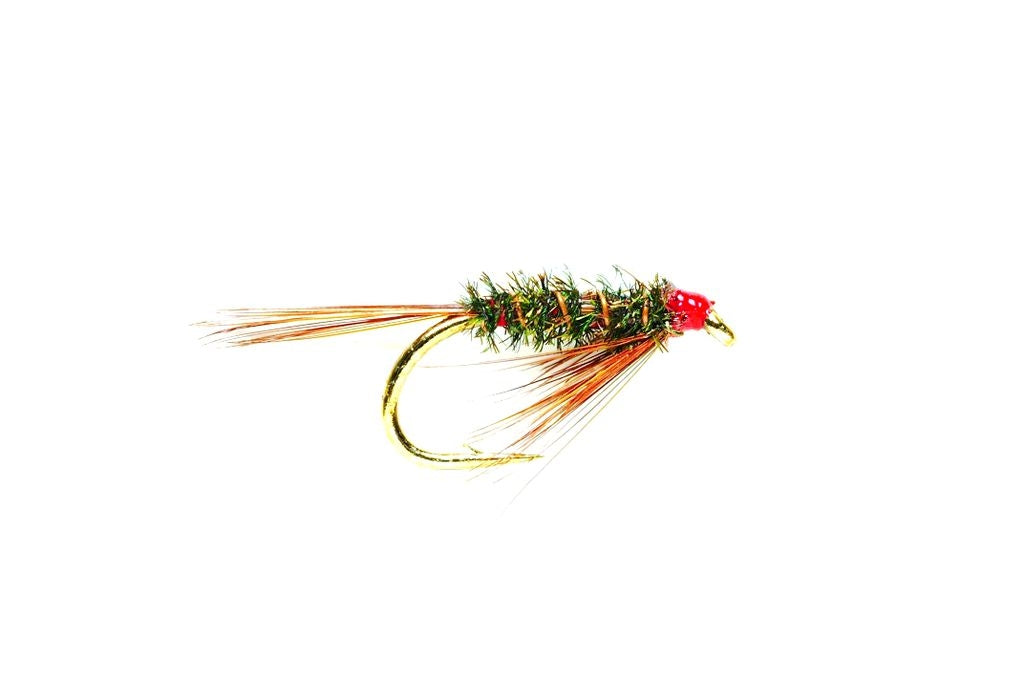
Fulling Mill Diawl Bach
Diawl Bach Original
A proper stillwater staple. Fulling Mill’s original Diawl Bach is a tidy choice for trout feeding below the surface, especially when a slow, subtle presentation makes more sense than hauling something flashy.
- Fulling Mill Diawl Bach Original, product code 307.
- Red-headed nymph pattern intended for trout.
- Listed in hook sizes 10, 12 and 14; sold individually.
- Designed for year-round use and suitable for fishing on any fly line.
Make sure it’s the right one. This review covers Fulling Mill’s original red-headed Diawl Bach, product code 307, rather than other Diawl Bach variations.
Tackle Index Score
Tackle Index score
A strong all-round nymph choice, with its best qualities in versatility and straightforward presentation rather than specialist depth or attraction; value depends on the individual asking price.
- Product Quality8.8/10
- Performance9/10
- Impact on Fish Catching8.6/10
- Ease of Use9/10
- Value for Money8.3/10
If you buy through our links, we might get a small kickback, but it won’t cost you a penny extra. As an Amazon Associate I earn from qualifying purchases. The full story
Who it suits
Is it right for you?
Great for
- Stillwater trout anglers fishing small subsurface food. It offers a restrained nymph presentation when a bulky attractor feels like too much.
- Fly anglers building a practical core fly box. The pattern fits several line types, seasons and team arrangements rather than one narrow tactic.
Maybe skip if
- Anglers wanting a cast-and-wind spinning lure. This is a lightweight artificial fly intended for fly-fishing tackle, not a conventional spinning lure.
- Anglers needing a fly to get deep quickly by itself. Don’t buy it as a dedicated heavy depth-finder; reaching deeper trout needs an appropriate line and presentation.
The lowdown
Introducing the Fulling Mill Diawl Bach
A proper stillwater staple. Fulling Mill’s original Diawl Bach is a tidy choice for trout feeding below the surface, especially when a slow, subtle presentation makes more sense than hauling something flashy.
- Fulling Mill Diawl Bach Original, product code 307.
- Red-headed nymph pattern intended for trout.
- Listed in hook sizes 10, 12 and 14; sold individually.
- Designed for year-round use and suitable for fishing on any fly line.
Quick verdict
A sensible staple, not a magic bullet
The Fulling Mill Diawl Bach Original earns its place through versatility. It’s a small, understated trout nymph you can fish slowly, use in a team and carry across the seasons without building your whole approach around it.
It makes most sense when trout are feeding on small food beneath the surface. For deep fish, strong currents or a proper chase response, your line choice or a different fly will need to do more of the work.
A strong all-round nymph choice, with its best qualities in versatility and straightforward presentation rather than specialist depth or attraction; value depends on the individual asking price.
- Product Quality
- 8.8/10
- Performance
- 9/10
- Impact on Fish Catching
- 8.6/10
- Ease of Use
- 9/10
- Value for Money
- 8.3/10
The established Original pattern offers a purposeful trout-fly design without unnecessary complication.
Compatibility with different fly lines gives it useful scope for varied subsurface presentations.
It provides a credible small-food option, but feeding depth and presentation remain crucial.
It works in a simple single-fly setup without requiring an elaborate retrieve.
Its broad usefulness supports value, although the asking price and cost of buying spares still matter.
Head to head
How it stacks up
Side by side with the closest kit we've reviewed. This updates as we add more reviews.
Fulling Mill
Fulling Mill Diawl Bach (this one)
Top scorer
Scores are our own, out of 10. Best in each row is in green. Prices change, so check the latest before you buy.
The full rundown
Everything you'll want to know about the Fulling Mill Diawl Bach
The Fulling Mill Diawl Bach is one of those flies that makes sense before you’ve even started overthinking the fly box. Small, understated and aimed squarely at trout, it belongs in the nymph corner rather than among the big, flashy attractors. This is the Original pattern, with a red head, and the appeal is straightforward: offer something that looks like a manageable mouthful below the surface. No massive silhouette. No need to strip it back at a hundred miles an hour. Just a useful option when subtle feels right.
First, let’s clear up the category, mate. This might be sitting under lures, but you’re buying an artificial fly, not something to clip onto a spinning outfit and chuck across the lake. Its natural home is a fly rod, a suitable leader and a presentation that puts it near feeding trout. Stillwaters are an obvious setting for the Diawl Bach approach, whether you’re working from the bank or covering water from a boat. Think patient nymph fishing rather than trying to provoke a smash every cast.
The pattern’s strength is suggestion rather than a need to copy one insect perfectly. A Diawl Bach gives trout a small, food-like shape that can make sense among the various little creatures they find beneath the surface. That’s handy when fish are clearly feeding but aren’t giving you a tidy answer about what they’re eating. You don’t have to pretend you’ve cracked the exact menu. You do still need to put the fly in the right place, though. A cracking pattern fished above or below the action can be ignored completely.
Fulling Mill lists this fly as suitable for any fly line, which gives you plenty of room to adapt. On a floater, your leader arrangement and the time allowed before retrieving help shape the presentation. An intermediate or sinking line opens up different depths and ways of covering water. The important bit is that the fly doesn’t make those decisions for you. Start with where the trout seem to be feeding, then choose the line to suit. Swapping line density can be far more useful than changing between three similar-looking nymphs.
For the retrieve, a slow figure-of-eight is a sensible starting point, not a rule carved into stone. Let the fly settle, keep enough contact to notice interest and avoid dragging it along simply because nothing happened in the first few seconds. A gentle lift or a short change of pace can be worth a go. So can doing less. In a breeze, line management becomes part of the job: a big uncontrolled bow can make a subtle take harder to spot and leave you playing catch-up when a trout turns away.
You can fish it alone, which keeps the whole business nice and simple, or work it into a team where fishery rules allow. A single fly is a sound starting point if you’re still getting comfortable with casting and managing slack. More flies aren’t automatically better if every other cast finishes in a knot. In a team, think about spacing, turnover and which fly is controlling depth. The Diawl Bach can contribute that small, quiet food signal without every fly on the leader competing to be the loudest thing in the swim.
The listed hook sizes are 10, 12 and 14, giving you a useful spread without turning the choice into homework. Remember that the smaller number means the larger hook. Size 12 sits between the other two, but that doesn’t make it the answer every time. Look at the food, the fish’s response and how your leader turns the fly over. It’s sold individually, too, so buying one won’t leave you with a ready-made selection or a spare when a knot lets go. A little planning saves a bit of bankside faff.
Year-round use is part of the brief, and that versatility is the main reason to give it space in the box. It doesn’t mean trout will want it every month on every water. Sometimes they want a bigger meal, a faster-moving target or something sitting right in the surface film. Fair enough — change tack. But when the job is presenting a small nymph without making a song and dance about it, the Original Diawl Bach is a sensible, adaptable choice. Sort the depth and presentation first; let the fly do the quieter work.
Specifications
The nuts and bolts
- Brand
- Fulling Mill
- Pattern and code
- Diawl Bach Original · 307
- Fly type
- Nymph
- Listed hook sizes
- 10, 12 and 14
- Head colour
- Red
- Sales unit
- Individual fly
Specs checked with Fulling Mill, Oct 2026.
Spot a model or spec change?
Our take
Think small food, not miniature lure
Although it sits in the lures category here, this is a fly-fishing nymph. Its job is to suggest something edible drifting or moving gently through the water, rather than create a big disturbance.
The useful trick is controlling depth before fiddling endlessly with the retrieve. Give it time to reach the feeding layer, then keep things measured.
The fly
Closer look: the Original, without the guesswork
You’re buying Fulling Mill’s Diawl Bach Original, identified by product code 307. It’s a red-headed trout nymph, sold individually in listed hook sizes 10, 12 and 14. There are plenty of Diawl Bach variations about, so check the pattern name rather than assuming every version with the same family name is identical.
Its practical appeal is the restrained presentation. You can keep things simple with one fly on a floating line or incorporate it into a more involved subsurface setup. Neither route needs a frantic retrieve. Finding the feeding layer and keeping useful contact are better starting points than adding speed for the sake of it.
Worth knowing. “Suitable for any fly line” doesn’t mean every line gives the same result. Line density changes how the whole setup fishes. Choose it for the depth you need, not just because it’s already on the reel.
Your fishing
Who it suits: anglers happy to slow things down
This is a good fit for trout anglers who enjoy working out depth, pace and presentation. On stillwaters, it gives you a sensible option when fish are taking small food and a larger attractor looks a bit much. It also suits a compact fly box: one adaptable pattern in a few sizes can be more useful than a jumble of near-duplicates.
Beginners needn’t be put off by talk of teams and droppers. Start with a single fly and a leader you can turn over comfortably. Make manageable casts, straighten things out and watch the line. Add complexity when it solves a problem, not because someone in the next peg has more flies dangling from their leader.
It’s less convincing as a purchase if your main aim is a strong chase response or quick access to deep water without adjusting your tackle. A more mobile attractor or a purpose-built weighted pattern may fit those jobs better. Likewise, spinning anglers should look elsewhere unless they’re deliberately putting together a suitable fly presentation.
Bankside questions
FAQs in full: size, line and season
Is this a lure or a nymph? It’s a nymph intended for trout fly fishing. Treat it as a small subsurface food imitation rather than a conventional cast-and-wind lure. The category label shouldn’t steer you towards the wrong tackle.
Which line should you fish it on? The fly is listed as suitable for any fly line, so let conditions decide. A floating line offers a straightforward starting point for shallower work; intermediate and sinking lines give you other depth options. Keep your countdown reasonably consistent so you can repeat a presentation that gets interest.
Which size, and when? The listed choices are 10, 12 and 14, with year-round use intended. There’s no need to assign each size its own season. Match the apparent food size where you can, then adjust to the trout’s response. Year-round versatility is handy, but it’s not a promise that this should stay on the leader all day.
On paper
Pros & cons
What we like
- Versatile pattern for subtle subsurface trout fishing.
- Works as a single fly or as part of a nymph team.
- Three listed hook sizes give useful presentation options.
- Compatible with floating, intermediate and sinking-line approaches.
Worth knowing
- Not the obvious choice when trout want a large, highly mobile attractor.
- Getting the depth right still takes thought; changing the fly alone won’t fix it.
- Sold singly, so building a selection of sizes means buying several flies.
Want one?
Add it to your Wanted list or join a Group Buy — shops see anonymous totals only.
Your questions answered
What anglers want to know
The stuff you’d ask your mate on the next peg. Straight answers, no waffle.
01Is the Fulling Mill Diawl Bach a lure or a nymph?
Is the Fulling Mill Diawl Bach a lure or a nymph?
It’s a trout nymph for fly fishing. Despite the category label, it isn’t a plug, spinner or soft plastic.
02Which fly line should you use?
Which fly line should you use?
Fulling Mill lists it as suitable for any fly line. Choose a floater, intermediate or sinking line to suit the trout’s depth, then adjust your countdown and retrieve.
03What sizes does the Original come in, and can you fish it all year?
What sizes does the Original come in, and can you fish it all year?
Listed hook sizes are 10, 12 and 14, and it’s designed for year-round use. Let the size of the food and the trout’s feeding depth guide the choice rather than the calendar alone.
What anglers say
The word from the bank
Our read: a sensible staple, not a magic bullet. The strongest reasons to choose it are versatile pattern for subtle subsurface trout fishing. and works as a single fly or as part of a nymph team.; the main trade-off is not the obvious choice when trout want a large, highly mobile attractor..
Our take on the feedback
Why it appeals
Checked Sept '26 — “Versatile pattern for subtle subsurface trout fishing.”
Best fit
Checked Sept '26 — “Stillwater trout anglers fishing small subsurface food: It offers a restrained nymph presentation when a bulky attractor feels like too much.”
Worth knowing
Checked Sept '26 — “Not the obvious choice when trout want a large, highly mobile attractor.”
Tackle Index’s take from the product details and fishing fit we checked. We haven’t found enough independent public feedback to call this an angler consensus yet.
Angler score
What our readers rate Fulling Mill Diawl Bach
No angler score yet — nobody's reviewed Fulling Mill Diawl Bach here. Be the first and get the score started.
Owner reports
Own this? Help the next angler.
Quick multiple-choice reports from people who say they own the Fulling Mill Diawl Bach. Not verified purchases, and kept separate from our score.
No owner reports yet.
Alternatives & go-withs