Photos: Fulling Mill · supplied retailer imagery
Fly tackle · Copolymer tippet · Our take
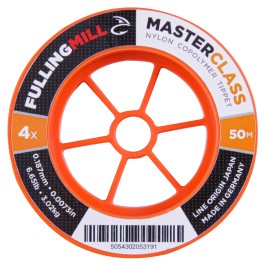
Fulling Mill Masterclass Copolymer Tippet
Masterclass Copolymer Tippet
A beautifully soft copolymer tippet for dry flies, delicate presentations and keeping your flies riding high without the stiffness of fluorocarbon.
- 50 m spool length gives you plenty of tippet for repeated leader changes.
- Copolymer is lower density than fluorocarbon, so it sinks more slowly.
- Extremely supple construction helps flies drift naturally.
- Available from 7X through 2X, with breaking strains from 1.99 lb to 10.15 lb.
Make sure it’s the right one. This is fly-fishing tippet, not carp hooklink material. The key appeal is its very supple copolymer construction and slower sink rate compared with fluorocarbon.
Tackle Index Score
Tackle Index score
A focused, well-specced tippet for dry-fly anglers who value a natural drift over fast sinking or maximum toughness.
- Product Quality9/10
- Performance9.2/10
- Impact on Fish Catching8.9/10
- Ease of Use8.8/10
- Value for Money8.6/10
If you buy through our links, we might get a small kickback, but it won’t cost you a penny extra. As an Amazon Associate I earn from qualifying purchases. The full story
Who it suits
Is it right for you?
Great for
- Dry-fly anglers on rivers. The soft copolymer helps small flies sit and drift naturally across the current.
- Stillwater anglers fishing high in the water. Its slower sink rate helps keep the fly up in the surface layers for longer.
Maybe skip if
- Anglers needing a fast-sinking presentation. Fluorocarbon will generally get down quicker and is a better fit for fishing deeper.
- Fishing around heavy weed, rocks or sharp cover. This is designed around supple presentation rather than maximum abrasion resistance.
The lowdown
Introducing the Fulling Mill Masterclass Copolymer Tippet
A beautifully soft copolymer tippet for dry flies, delicate presentations and keeping your flies riding high without the stiffness of fluorocarbon.
- 50 m spool length gives you plenty of tippet for repeated leader changes.
- Copolymer is lower density than fluorocarbon, so it sinks more slowly.
- Extremely supple construction helps flies drift naturally.
- Available from 7X through 2X, with breaking strains from 1.99 lb to 10.15 lb.
Quick verdict
A cracking choice for delicate dry-fly work
Fulling Mill’s Masterclass Copolymer Tippet is all about subtle presentation. It’s extremely supple, sinks more slowly than fluorocarbon and helps a dry fly drift naturally, whether you’re fishing a river or a lake.
It won’t be the answer when you need abrasion resistance, a fast sink or a hard-wearing contact material. For dry flies and flies presented high in the water, though, it’s proper bob on.
A focused, well-specced tippet for dry-fly anglers who value a natural drift over fast sinking or maximum toughness.
- Product Quality
- 9/10
- Performance
- 9.2/10
- Impact on Fish Catching
- 8.9/10
- Ease of Use
- 8.8/10
- Value for Money
- 8.6/10
The supple copolymer construction and useful X-rating range make it a properly focused fly-fishing material.
Its slow sink and very soft feel are well matched to delicate dry-fly presentations.
A more natural drift can make a real difference when trout are wary or feeding high.
The spool format and broad range are straightforward, though choosing the right X rating still matters.
A 50 m spool and specialised performance make it a sound buy for anglers who regularly fish dries.
Head to head
How it stacks up
Side by side with the closest kit we've reviewed. This updates as we add more reviews.
Fulling Mill
Fulling Mill Masterclass Copolymer Tippet (this one)
Top scorer
Top scorer
Top scorer
Scores are our own, out of 10. Best in each row is in green. Prices change, so check the latest before you buy.
The full rundown
Everything you'll want to know about the Fulling Mill Masterclass Copolymer Tippet
If you’re fishing dry flies and want the tippet to behave itself, the Fulling Mill Masterclass Copolymer Tippet is right in the sweet spot. It’s soft, light and made for a fly that needs to drift rather than get dragged about like a crisp packet in a breeze.
This isn’t a carp hooklink, and it’s not trying to be. We’re talking proper fly-fishing terminal tackle here. The job is simple: connect your leader to the fly while keeping the whole presentation delicate, natural and as unobtrusive as possible.
The material is copolymer, with a lower density than fluorocarbon. In plain English, it sinks more slowly. That’s a handy trait when trout are looking up, when the hatch is happening in the surface film, or when you’re deliberately fishing a fly high in the water column.
Fluorocarbon has its place, especially when you need to get a fly down or want a tougher underwater section. But it can feel stiffer, particularly in finer diameters. This Fulling Mill tippet takes the softer route, helping the fly move with the water rather than being bossed around by the line.
That suppleness is the real selling point. Small dries can be a right faff if the tippet keeps kicking them off line or making the leader straighten too aggressively. A softer connection gives the fly more freedom, which is exactly what you want when a fish is inspecting every little twitch.
On a river, that can mean a cleaner drift through the seam, under a tree or along the edge of a feeding lane. You still need to mend well and manage drag, obviously, but the tippet isn’t adding unnecessary stiffness to the setup. Every little helps when the water’s clear and the fish are switched on.
It also makes sense on lakes. When fish are cruising near the top, a slower-sinking tippet gives you more time with the fly in the zone. That can be bang on during a hatch, or whenever the trout are sipping rather than chasing things down below.
The range covers fine presentations through to more robust dry-fly work. At the delicate end, 7X is rated to 1.99 lb, while 6X comes in at 2.96 lb. Move up through 5X, 4.5X and 4X as flies, wind and fish demand a bit more backbone.
At the heavier end, 3X is rated to 7.99 lb and 2X to 10.15 lb. That gives you useful headroom for larger dries, breezier conditions or fish that aren’t prepared to play nice. As ever, don’t just pick the strongest option and bosh it on — the right balance is what keeps the presentation convincing.
Each spool contains 50 metres, so there’s plenty there for regular leader changes and the odd snip after a knot check. Keep an eye on the final section after a few fish or a bit of bankside vegetation, then trim back to fresh material. A neat knot and a clean tippet can make all the difference when the take finally comes.
Specifications
The nuts and bolts
- Material
- Copolymer
- Spool length
- 50 m
- Density
- Lower than fluorocarbon
- Sink rate
- Slower sinking than fluorocarbon
- Applications
- Dry flies on rivers and lakes; presentations high in the water column
- Breaking strains
- 7X: 1.99 lb / 0.90 kg; 6X: 2.96 lb / 1.35 kg; 5X: 3.91 lb / 1.78 kg; 4.5X: 5.56 lb / 2.53 kg; 4X: 6.65 lb / 3.02 kg; 3X: 7.99 lb / 3.63 kg; 2X: 10.15 lb / 4.61 kg
Specs checked with Fulling Mill, Oct 2026.
Spot a model or spec change?
Our take
The soft, slow-sinking alternative to fluorocarbon
The big story here is presentation. Copolymer keeps things light and supple, so small dry flies aren’t dragged around by a rigid leader or pulled out of their natural drift.
That makes it a smart choice for wary trout, calm water and technical river work where a natural-looking fly matters more than getting the tippet down quickly.
What you’re buying
Soft copolymer for a cleaner drift
The Masterclass Copolymer Tippet comes on a 50 m spool and is built around supple, lower-density copolymer. Compared with fluorocarbon, it sinks more slowly, making it a natural fit for dry flies and presentations kept high in the water.
The 7X to 2X range covers fine tippets for cautious fish through to stronger options for larger flies and more demanding conditions. It’s a useful spread without overcomplicating the fly box.
Worth knowing. Copolymer is the presentation-first choice here. If you need your fly to sink quickly or you’re rubbing through sharp cover, look towards fluorocarbon or a tougher dedicated option instead.
On the water
Made for anglers who fish up
This is spot on for dry-fly anglers working rivers, especially when the drift needs to look natural through a current seam or along a feeding line. The suppleness helps avoid a stiff, artificial feel at the fly.
It also suits lake anglers targeting trout high in the water column. Pick the lighter ratings for delicate work, then step up when the fly is bigger, the wind is pushing you about or the fish are giving it some welly.
Worth knowing. Match the tippet to the fly and the fish, not just the breaking strain. Going too heavy can spoil a delicate dry-fly presentation, while going too light around weed or snags can leave you gutted.
Quick answers
The useful stuff before you spool up
The biggest difference from fluorocarbon is how this material behaves in the water. It’s lower density and slower sinking, so it’s better suited to flies that need to stay up rather than drop through the layers.
For river work, use it when a natural drift is the priority. For lakes, it’s handy when trout are feeding near the surface. Check the final few inches regularly, retie after damage and keep your knots tidy.
Worth knowing. The 50 m spool gives you plenty of material, but don’t let that encourage lazy rig checks. A quick inspection after a snag, fish or awkward bit of bank is still the smart move.
On paper
Pros & cons
What we like
- Very supple, so it gives dry flies a natural drift.
- Sinks more slowly than fluorocarbon and keeps presentations high.
- Useful range of diameters for delicate work through to sturdier flies.
- 50 m spool should keep you going for plenty of sessions.
Worth knowing
- Not the best choice when you need a fast-sinking tippet.
- Its soft, delicate presentation isn’t aimed at heavy abrasion or snaggy work.
- Fly anglers wanting maximum invisibility underwater may still prefer fluorocarbon.
Want one?
Add it to your Wanted list or join a Group Buy — shops see anonymous totals only.
Your questions answered
What anglers want to know
The stuff you’d ask your mate on the next peg. Straight answers, no waffle.
01What is the Fulling Mill Masterclass Copolymer Tippet best used for?
What is the Fulling Mill Masterclass Copolymer Tippet best used for?
It’s primarily for dry-fly fishing on rivers and lakes. The supple material and slower sink rate make it useful when you want a natural drift or need to keep a fly high in the water column.
02Is it better than fluorocarbon for dry flies?
Is it better than fluorocarbon for dry flies?
For many dry-fly situations, yes. It’s softer and sinks more slowly than fluorocarbon, which can help a fly sit naturally on or near the surface. Fluorocarbon remains the better option when you need a quicker sink or extra underwater stealth.
03Which breaking strain should I choose?
Which breaking strain should I choose?
Match the X rating to the fly size, target fish and conditions. The lighter 7X and 6X options suit fine, delicate work, while 4X through 2X give you more security for larger flies or stronger fish. Always balance strength against the drag and visibility your presentation can handle.
What anglers say
The word from the bank
Our read: a cracking choice for delicate dry-fly work. The strongest reasons to choose it are very supple, so it gives dry flies a natural drift. and sinks more slowly than fluorocarbon and keeps presentations high.; the main trade-off is not the best choice when you need a fast-sinking tippet..
Our take on the feedback
Why it appeals
Checked Sept '26 — “Very supple, so it gives dry flies a natural drift.”
Best fit
Checked Sept '26 — “Dry-fly anglers on rivers: The soft copolymer helps small flies sit and drift naturally across the current.”
Worth knowing
Checked Sept '26 — “Not the best choice when you need a fast-sinking tippet.”
Tackle Index’s take from the product details and fishing fit we checked. We haven’t found enough independent public feedback to call this an angler consensus yet.
Angler score
What our readers rate Fulling Mill Masterclass Copolymer Tippet
No angler score yet — nobody's reviewed Fulling Mill Masterclass Copolymer Tippet here. Be the first and get the score started.
Owner reports
Own this? Help the next angler.
Quick multiple-choice reports from people who say they own the Fulling Mill Masterclass Copolymer Tippet. Not verified purchases, and kept separate from our score.
No owner reports yet.
Alternatives & go-withs