Photos: Preston Innovations · supplied retailer imagery
Feeders · In-line Method feeders · Our take
Preston Innovations ICS In-Line Method Feeder
ICS In-Line Method Feeder
A tidy flat Method feeder with room for your hookbait and the handy ICS changeover system. Proper useful when the swim wants a different approach halfway through a session.
- ICS allows changes between compatible feeder sizes, weights and leads.
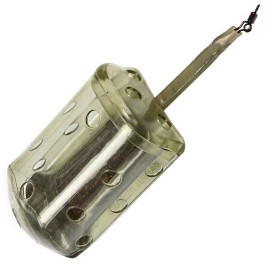
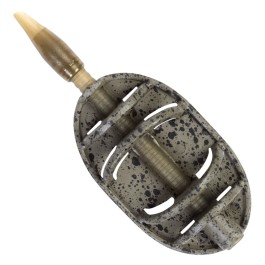
- Splayed ribs leave space for the hookbait.
- Positioned vents aid bait release; the body has a camo-coated finish.
- Sold singly, with Small, Medium, Large and XL options across the range.
Make sure it’s the right one. The size and weight options below follow the supplied details for the ICS In-Line Dura Flat Method feeder listing.
Tackle Index Score
Tackle Index score
A useful, adaptable Method feeder whose strongest selling point is the ICS changeover system, backed by a sensible hookbait layout.
- Product Quality8.8/10
- Performance9/10
- Impact on Fish Catching8.3/10
- Ease of Use9.4/10
- Value for Money8.5/10
If you buy through our links, we might get a small kickback, but it won’t cost you a penny extra. As an Amazon Associate I earn from qualifying purchases. The full story
Who it suits
Is it right for you?
Great for
- Commercial carp and F1 anglers. It suits compact Method presentations and lets you adjust feeder size as feeding activity changes.
- Anglers already using ICS. The shared system makes compatible feeder and lead changes straightforward.
Maybe skip if
- Anglers who rarely change feeders. Much of the appeal is in the interchangeability, which matters less if one feeder does your whole session.
- Anglers needing a different feeding approach. A compact Method parcel isn't a replacement for every cage, window or loose-feed presentation.
The lowdown
Introducing the Preston Innovations ICS In-Line Method Feeder
A tidy flat Method feeder with room for your hookbait and the handy ICS changeover system. Proper useful when the swim wants a different approach halfway through a session.
- ICS allows changes between compatible feeder sizes, weights and leads.
- Splayed ribs leave space for the hookbait.
- Positioned vents aid bait release; the body has a camo-coated finish.
- Sold singly, with Small, Medium, Large and XL options across the range.
Quick verdict
A cracking fit for adaptable Method fishing
The Preston ICS In-Line Method Feeder makes sense if you want to change feeder size or weight without turning every adjustment into a rig-building job. Splayed ribs leave room for the hookbait, while positioned vents help the feed release.
Its biggest draw is flexibility, especially if you're already using ICS tackle. Just remember that bait preparation still does the heavy lifting, and building up several sizes and weights means buying individual feeders.
A useful, adaptable Method feeder whose strongest selling point is the ICS changeover system, backed by a sensible hookbait layout.
- Product Quality
- 8.8/10
- Performance
- 9/10
- Impact on Fish Catching
- 8.3/10
- Ease of Use
- 9.4/10
- Value for Money
- 8.5/10
The camo-coated body, splayed ribs and positioned vents make for a thoughtfully equipped feeder.
The size and weight selection supports practical adjustments to casting needs and feed quantity.
It helps organise a compact presentation, but bait preparation, accuracy and swim choice still matter more.
Compatible ICS changeovers take much of the faff out of switching feeders during a session.
The practical value is strongest for existing ICS users, though assembling a broad selection means several individual purchases.
Head to head
How it stacks up
Side by side with the closest kit we've reviewed. This updates as we add more reviews.
Preston Innovations
Preston Innovations ICS In-Line Method Feeder (this one)
Top scorer
Scores are our own, out of 10. Best in each row is in green. Prices change, so check the latest before you buy.
The full rundown
Everything you'll want to know about the Preston Innovations ICS In-Line Method Feeder
Method fishing looks beautifully simple when it's going right. A neat parcel of feed, a hookbait close by and a tip that pulls round before you've finished your brew. Getting there means paying attention to the little things, though. Feeder size, casting weight and how your bait breaks down all matter. The Preston Innovations ICS In-Line Method Feeder tackles the hardware side with a flat Method layout and an interchangeable system. Its appeal isn't some magic promise of extra carp. It's making sensible changes easier while keeping your presentation compact.
The main reason to look at this one is ICS, Preston's Interchange System. Rather than treating every feeder change as a fresh rig-building exercise, you can switch between compatible feeder bodies, weights and leads within the system. That's proper useful when conditions change or your first plan needs a nudge. Perhaps the wind picks up and you need more casting weight. Perhaps the fish turn cagey and you want a smaller helping of feed. You still have to choose the right adjustment, but the tackle makes doing it less of a faff.
There's a useful distinction here between how heavy a feeder is and how much bait its body holds. Small comes in 20g, 30g and 45g, while Medium and Large both cover 20g, 30g, 45g, 60g and 75g. XL runs from 30g through 45g, 60g and 75g to 90g. That overlap gives you options rather than forcing every heavier feeder to mean a bigger dinner. On a cooler day, keeping the feed parcel modest while retaining enough weight to reach your spot can be a much more sensible move than simply going bigger.
Around the body, the splayed ribs leave space for the hookbait. That's a practical detail because a Method feeder needs to carry more than a lump of damp feed; it needs to present the bait you're actually hoping a fish will pick up. When loading, give the hookbait a clear place in the parcel rather than wedging it awkwardly against a rib. Keep the hair and hooklink tidy, too. A feeder with a thoughtful layout helps, but it can't untangle a rushed loading job after you've already sent it towards the far bank.
The positioned vents are there to aid bait release, which brings us to the bit that catches plenty of anglers out: preparation. Pellets or groundbait need enough grip to survive loading, casting and the trip down, then open up once the feeder is settled. Too dry and your lovely parcel can disappear before it reaches the bottom. Too sticky and you're fishing something closer to a packed lunch nobody can open. Have a look at a loaded feeder in the margins first. It isn't a perfect copy of deeper water, but it's a dead handy starting check.
The camo-coated finish keeps the appearance subdued, although I'd put presentation and accurate feeding well ahead of colour when deciding how to fish it. Pick a sensible target, use a far-bank marker and get your casting rhythm sorted. If you're clipped up, cushion the feeder into the clip rather than hammering it to a sudden stop. Also remember that the marked weight isn't the whole casting load once you've packed bait around it. Your rod needs to suit the loaded feeder, especially towards the heavier end of this range.
For commercial carp and F1 fishing, the attraction is straightforward: you can keep the basic Method approach while adjusting how much feed goes in and how the feeder casts. In warmer water, with fish properly feeding, a larger body may earn its place. When bites slow down, downsizing the parcel can be a better first move than piling more bait onto the same spot. Don't change everything at once, mate. Give each adjustment a fair chance so you can work out whether feeder size, casting position or your feeding rhythm is making the difference.
Buying-wise, these are sold singly, so think about useful combinations rather than collecting every option straight away. A couple of sizes and weights matched to your usual waters makes more sense than a box full of feeders you never cast. Existing ICS users get the clearest benefit because the feeder fits into that wider family of compatible stems, accessories and leads. If you stick with one setup all day, the swapping feature matters less. For anglers who like to adapt, though, this is a tidy, practical bit of kit with a clear job.
Specifications
The nuts and bolts
- Small weights
- 20g, 30g and 45g
- Medium weights
- 20g, 30g, 45g, 60g and 75g
- Large weights
- 20g, 30g, 45g, 60g and 75g
- XL weights
- 30g, 45g, 60g, 75g and 90g
- System
- ICS; compatible feeders, leads, stems and accessories
- Finish and pack
- Camo-coated finish; sold singly
Specs checked with Preston Innovations, Oct 2026.
Spot a model or spec change?
Our take
Change the feeder, not the whole plan
Feeder weight and feed quantity aren't the same thing. The overlapping weight options let you choose a smaller parcel of bait without automatically dropping to a lighter feeder.
That's dead handy when you still need casting control but the fish aren't on the munch. Keep the approach measured rather than chucking more feed at a quiet swim.
The feeder
Closer look: useful details without the fuss
You're buying a single in-line Method feeder with a camo-coated finish, splayed ribs and positioned vents. The ribs leave room for your hookbait, while the vents help water reach the feed and aid its release. Neither feature removes the need to get your bait consistency right.
ICS is the standout practical feature. Compatible feeder bodies and leads can be changed within the system, making it easier to respond to wind, distance or feeding activity. Check compatibility when adding stems and accessories rather than assuming another brand's parts will fit.
Worth knowing. Check your fishery's rig rules before tackling up. An in-line label alone doesn't tell you whether every possible arrangement meets a venue's free-running or fish-safety requirements.
On the bank
Who it suits: anglers who like to make adjustments
This is a natural fit for commercial Method fishing, particularly when you're working a defined spot for carp or F1s. The different body sizes let you tailor the feed parcel, while overlapping weights give you room to keep the casting side sensible.
It's especially appealing if you've already bought into ICS. If you haven't, start with what your regular swims actually need. There isn't much point buying a hefty XL option for short, delicate work simply because it's available.
It's less compelling if you rarely swap feeders, or if your fishing calls for bait to disperse differently from a compact Method parcel. Cage and window feeders still have their jobs. Pick the feeding approach first, then choose the hardware.
Quick answers
FAQs in full: swapping, sizing and bait
Can you change weight without rebuilding the rig? Yes, that's the point of the compatible ICS setup. You can change feeder bodies and move between suitable sizes, weights and leads. Use the proper matching components and check everything is securely seated before casting.
Does heavier mean more feed? Not necessarily. A 30g option appears across all four sizes, for example. Body size changes the space available for bait, while the marked weight helps you choose an appropriate casting setup. Remember to allow for the bait's weight as well.
Pellets or groundbait? Either can suit Method fishing. Prepare them so the parcel stays together through the cast but breaks down underwater. If using a mould, check that it matches the feeder size and shape rather than forcing an awkward fit.
On paper
Pros & cons
What we like
- ICS changeovers make mid-session adjustments less of a faff.
- Overlapping weights offer useful control over feeder size and bait quantity.
- Splayed ribs give the hookbait space within the feed.
- Vents are there to help bait release.
Worth knowing
- Building a selection of sizes and weights adds up because feeders are sold singly.
- The changeover benefit depends on using compatible ICS components.
- Poorly prepared bait can still cling to the feeder or come off too early.
Want one?
Add it to your Wanted list or join a Group Buy — shops see anonymous totals only.
Your questions answered
What anglers want to know
The stuff you’d ask your mate on the next peg. Straight answers, no waffle.
01Can you change feeder weight without rebuilding the rig?
Can you change feeder weight without rebuilding the rig?
Yes. With the compatible ICS arrangement, you can change feeder bodies, sizes and weights without rebuilding the whole setup.
02Does a heavier feeder always carry more bait?
Does a heavier feeder always carry more bait?
No. Several body sizes share the same weight options, so you can choose casting weight separately from body size.
03Can you use pellets and groundbait?
Can you use pellets and groundbait?
Both are suitable Method approaches when prepared to hold through the cast and release underwater. Check the mix in the margins before committing to your spot.
What anglers say
The word from the bank
Our read: a cracking fit for adaptable method fishing. The strongest reasons to choose it are ics changeovers make mid-session adjustments less of a faff. and overlapping weights offer useful control over feeder size and bait quantity.; the main trade-off is building a selection of sizes and weights adds up because feeders are sold singly..
Our take on the feedback
Why it appeals
Checked Sept '26 — “ICS changeovers make mid-session adjustments less of a faff.”
Best fit
Checked Sept '26 — “Commercial carp and F1 anglers: It suits compact Method presentations and lets you adjust feeder size as feeding activity changes.”
Worth knowing
Checked Sept '26 — “Building a selection of sizes and weights adds up because feeders are sold singly.”
Tackle Index’s take from the product details and fishing fit we checked. We haven’t found enough independent public feedback to call this an angler consensus yet.
Angler score
What our readers rate Preston Innovations ICS In-Line Method Feeder
No angler score yet — nobody's reviewed Preston Innovations ICS In-Line Method Feeder here. Be the first and get the score started.
Owner reports
Own this? Help the next angler.
Quick multiple-choice reports from people who say they own the Preston Innovations ICS In-Line Method Feeder. Not verified purchases, and kept separate from our score.
No owner reports yet.
Alternatives & go-withs